
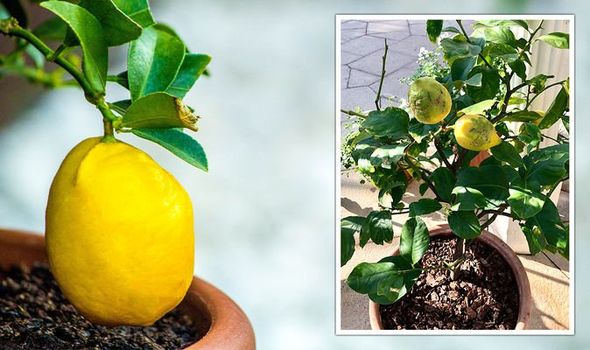
As the winter season approaches, citrus tree owners face a unique challenge: protecting their beloved trees from harsh weather conditions while ensuring they receive enough nutrients to thrive. In this article, we’ll explore the best practices for caring for citrus trees during the cold months, including protection from frost, wind, and snow, as well as pruning, fertilization, and pest management.
Why Winter Care is Crucial
Citrus trees are sensitive to cold temperatures, and prolonged exposure can lead to damage or even death. Young trees, in particular, require extra care to develop a strong root system and resist disease. By providing proper protection and nutrition during the winter months, you’ll help your citrus tree survive the harsh conditions and emerge healthy and thriving come spring.
Protecting Your Citrus Tree from Frost
Frost can be devastating for citrus trees, causing damage to the leaves, branches, and even the trunk. To protect your tree from frost, follow these steps:
- Move plants indoors: If possible, bring potted citrus trees into a warm location, such as a sunroom or garage, during extremely cold snaps.
- Cover with netting or tarps: For outdoor trees, use breathable materials like netting or tarps to cover the plant and protect it from frost. Remove the covering when temperatures rise above 40°F (4°C).
- Use frost blankets: Frost blankets are lightweight, waterproof covers that can be placed over the tree to keep it warm.
Pruning and Potting Citrus Trees for Winter
Pruning and potting your citrus trees during the winter months can help promote healthy growth and prevent disease. Here’s how:
- Prune in late fall or early winter: Prune your citrus tree between November and February, removing any dead or damaged branches.
- Pot up young trees: Young citrus trees need a larger container to accommodate their root system. Pot them up in the fall or early winter to give them room to grow.
- Repot established trees: Established citrus trees can be repotted every 2-3 years to refresh the soil and provide a larger pot if necessary.
Fertilizing Your Citrus Tree for Winter
Citrus trees require a balanced diet of nutrients to stay healthy. Here’s how to fertilize your citrus tree during the winter months:
- Use an acidic fertilizer: Citrus trees prefer slightly acidic soil, so use a fertilizer with a pH between 5.5 and 6.5.
- Apply in late fall or early winter: Apply the fertilizer according to the manufacturer’s instructions, usually around 2-4 weeks before the first frost.
Common Winter Problems for Citrus Trees
While citrus trees are relatively low-maintenance, they can still be susceptible to certain problems during the winter months. Here are some common issues and how to address them:
- Frost damage: If your tree has been damaged by frost, remove any dead branches immediately.
- Pests and diseases: Inspect your tree regularly for signs of pests or disease, such as aphids, whiteflies, or root rot.
Tips for Successful Citrus Tree Care in Winter
Here are some additional tips to help you care for your citrus trees during the winter months:
- Monitor weather forecasts: Keep an eye on weather forecasts and be prepared to protect your tree if a cold snap is predicted.
- Keep plants hydrated: Water your citrus tree regularly, but avoid overwatering, which can lead to root rot.
- Provide good air circulation: Make sure there’s enough space between trees for good air circulation to prevent disease.
Winter Care for Citrus Trees: A Guide to Success
By following these tips and best practices, you’ll be able to protect your citrus tree from harsh winter conditions and ensure it thrives come spring. Remember to monitor weather forecasts, keep plants hydrated, and provide good air circulation to promote healthy growth.
Frequently Asked Questions (FAQs)
Here are some answers to common questions about caring for citrus trees during the winter months:
- What is the best way to protect my citrus tree from frost?
- Use a combination of netting, tarps, or frost blankets to cover your tree and keep it warm.
- Can I fertilize my citrus tree in the winter?
- Yes, use an acidic fertilizer according to the manufacturer’s instructions.
- How often should I prune my citrus tree during the winter months?
- Prune your tree between November and February to remove dead or damaged branches.
- What is the best way to pot up young citrus trees?
- Use a larger container with good drainage, and refresh the soil every 2-3 years.
- Can I treat my citrus tree for pests or diseases during the winter months?
- Yes, inspect your tree regularly for signs of pests or disease, and treat promptly if necessary.
Conclusion
Caring for citrus trees during the winter months can seem daunting, but with the right techniques and best practices, you’ll be able to protect your tree from harsh conditions and ensure it thrives come spring. By following these tips and FAQs, you’ll be well on your way to becoming a master of citrus tree care.
Additional Tips for Winter Citrus Tree Care
Here are some additional tips to help you care for your citrus trees during the winter months:
- Mulch around the base: Mulching helps retain moisture in the soil and regulate temperature, keeping your tree’s roots healthy.
- Keep an eye on pests: Regularly inspect your tree for signs of pests, such as aphids or whiteflies, and treat promptly if necessary.
- Monitor water levels: Make sure the soil isn’t too dry or waterlogged, as this can cause root damage.
By following these additional tips, you’ll be able to provide the best care for your citrus trees during the winter months and ensure they thrive come spring.


