
As the world grapples with the challenges of climate change, sustainable living has become an increasingly important aspect of modern life. In Italy, a recent study by Samsung and Human Highway aimed to explore the buying habits of eco-friendly appliances among its citizens. The results revealed a surprising regional divide, with certain areas leading the way in sustainability.
Understanding Eco-Friendly Buying Habits: A Regional Analysis
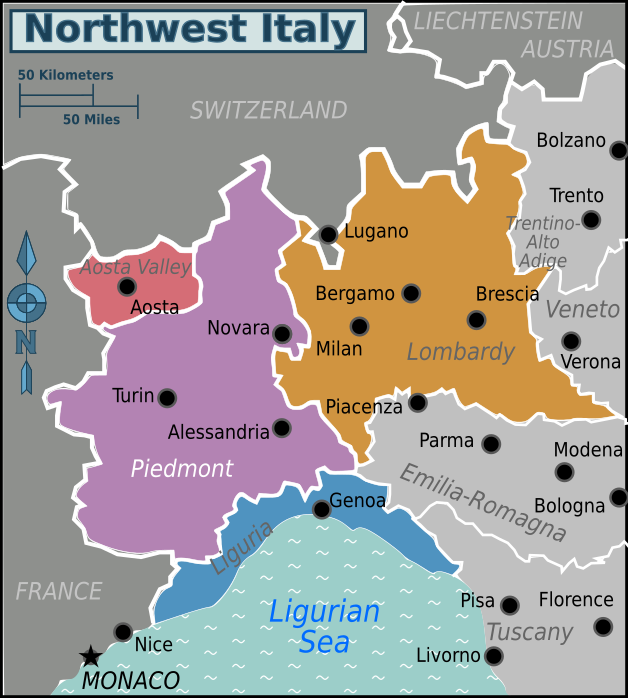
The study found that 53.1% of respondents in the Northern West region reported being aware of energy-saving schedules for household appliances. This was followed closely by the Southern region, where 49.5% demonstrated a similar understanding. Conversely, the Northern East region lagged behind, with only 39.6% recognizing the importance of green hours.
The regional disparities in eco-friendly buying habits can be attributed to various factors, including cultural differences, economic conditions, and access to information. For instance, the Northern West region is known for its strong industrial heritage, which has led to a greater emphasis on energy efficiency. In contrast, the Southern region has historically struggled with economic instability, leading to limited access to sustainable technologies.
The Importance of Sustainability in Italy
Despite regional differences, sustainability remains a top priority for Italian consumers when purchasing new appliances. A staggering 95% of families consider energy efficiency essential when making a purchase. This emphasis on sustainability is crucial, as it can significantly contribute to reduced household expenses and mitigate the environmental impact of daily life.
In addition to reducing costs, sustainable living offers numerous benefits for individuals and communities. These include improved air quality, reduced greenhouse gas emissions, and enhanced overall well-being. As consumers become increasingly environmentally conscious, it’s essential to understand the factors driving their purchasing decisions and develop strategies to promote sustainability.
Breaking Down the Barriers to Eco-Friendly Buying
A closer examination of the study reveals that only 5% of respondents claimed to be unaware of energy-saving schedules. This percentage decreased to 2% among those aged over 55 and increased to 7% among those in their 40s. It appears that age plays a significant role in influencing an individual’s eco-friendly buying habits.
Space constraints can also significantly impact purchasing decisions, particularly among individuals between the ages of 40 and 50 (38.6%). This demographic tends to prioritize household appliances that offer ample storage space. In contrast, younger generations (61.2%) and older adults (58.6%) tend to focus on time-saving features.
What Influences Eco-Friendly Buying Decisions?
Research suggests that convenience is a key factor in eco-friendly buying decisions. Women are more likely to consider the convenience of eco-friendly appliances (64.8%), while men tend to prioritize space-saving designs (39.3%). This dichotomy highlights the diverse perspectives and priorities that shape our buying habits.
Additionally, social media plays a significant role in shaping consumer behavior. The study found that 42% of respondents rely on online reviews and ratings when making purchasing decisions. This reliance on social media can be both beneficial and detrimental, as it allows for greater awareness of sustainable products but also perpetuates unrealistic expectations and influencer marketing.
The Role of Demographics in Eco-Friendly Buying Habits
Interestingly, women are more likely to consider the convenience of eco-friendly appliances (64.8%), while men tend to prioritize space-saving designs (39.3%). This dichotomy highlights the diverse perspectives and priorities that shape our buying habits.
Age also plays a significant role in shaping an individual’s eco-friendly buying habits. Younger generations (61.2%) and older adults (58.6%) tend to focus on time-saving features, while those aged over 55 prioritize energy efficiency (53.4%). This age-related divide underscores the importance of considering demographic differences when promoting sustainability.
Conclusion: A Call to Action for Sustainable Living
The study’s findings serve as a poignant reminder of the importance of sustainability in our daily lives. As consumers, we have the power to drive positive change by making informed purchasing decisions. By acknowledging the regional disparities and demographic differences in eco-friendly buying habits, we can work towards creating a more sustainable future for all.
Recommendations for Promoting Sustainable Living
- Educate Consumers: Develop targeted educational campaigns to raise awareness about energy-efficient appliances and their benefits.
- Promote Regional Cooperation: Encourage collaboration between regions to share best practices and develop regional standards for sustainability.
- Address Demographic Disparities: Tailor marketing efforts to address the unique needs and priorities of different demographic groups.
- Foster Online Communities: Create online forums and social media groups to facilitate discussion and sharing of sustainable living practices.
- Develop Sustainable Products: Encourage manufacturers to develop eco-friendly products that meet consumer demand for sustainability.
By working together, we can create a more sustainable future for all. As consumers, we have the power to drive positive change by making informed purchasing decisions. By acknowledging regional disparities and demographic differences in eco-friendly buying habits, we can work towards creating a more sustainable world.
Frequently Asked Questions
- What percentage of Italians are aware of energy-saving schedules for household appliances?
- 53.1% in Northern West, 49.5% in Southern regions, and 39.6% in Northern East.
- Why is sustainability a top priority for Italian consumers when purchasing new appliances?
- Energy efficiency can significantly contribute to reduced household expenses.
- What age group is most likely to prioritize space constraints in their purchasing decisions?
- Individuals between the ages of 40 and 50 (38.6%).
- Which demographic tends to focus on time-saving features?
- Younger generations (61.2%) and older adults (58.6%).
- Why do women tend to prioritize convenience in eco-friendly appliances?
- Due to their greater involvement in household responsibilities.
- What percentage of respondents claimed to be unaware of energy-saving schedules?
- 5% overall, decreasing to 2% among those aged over 55 and increasing to 7% among those in their 40s.
- Can age play a significant role in shaping an individual’s eco-friendly buying habits?
- Yes, with different age groups prioritizing various factors.
- What can be done to promote sustainable living among Italian consumers?
- By acknowledging regional disparities and demographic differences in eco-friendly buying habits and making informed purchasing decisions.


