
As we continue to explore the world of food and nutrition, it’s essential to discover new ingredients that can enhance our health and well-being. One such ingredient is sorghum, a versatile and nutritious cereal grain that has been gaining popularity in recent years. In this article, we’ll delve into the properties, calories, and recipes of sorghum, exploring its benefits and uses in various dishes.
What is Sorghum?
Sorghum, also known as milo or jowar, is an annual grass native to Africa and Asia. Its scientific name is Sorghum vulgare, and it belongs to the Graminaceae family. Sorghum is considered the fifth most important cereal crop globally, after wheat, rice, maize (corn), and barley.
Sorghum has been cultivated for thousands of years, with its origins dating back to the tropical regions of Africa and China. The plant’s rapid growth and ability to thrive in dry conditions earned it the Latin name “surgo,” meaning “to rise.”
The Name “Sorghum”
The word “sorghum” is derived from the Latin term “surgo,” which refers to the plant’s ability to grow rapidly and efficiently. Sorghum has been a staple crop for many cultures around the world, providing a reliable source of nutrition and energy.
Sorghum: A Nutrient-Dense Grain
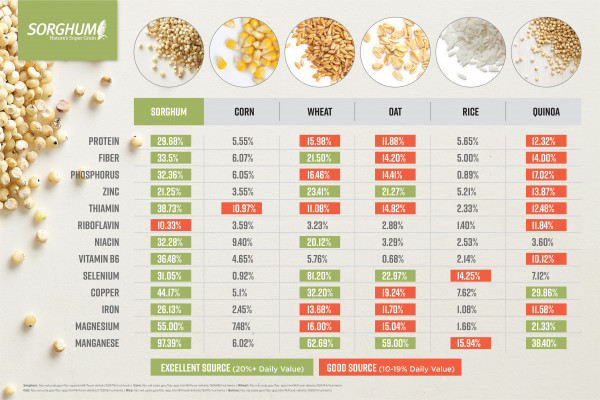
Sorghum is an excellent source of fiber, containing approximately 80% of its dry weight. It also provides a good amount of carbohydrates (20-30% amylase and 70-80% amylopectin), moderate amounts of protein (7-14%), and higher levels of lipids compared to other grains.
One of the most significant benefits of sorghum is its absence of gluten, making it an ideal ingredient for those with celiac disease or gluten intolerance. Sorghum also contains essential amino acids, including lysine, which is often lacking in legumes.
Mineral and Vitamin Content
Sorghum is a good source of several essential minerals, including iron (2.7 mg per 100g), calcium (25 mg per 100g), and potassium. It’s also rich in vitamin B3 (niacin) and vitamin E, as well as antioxidants like phenolic acids, sterols, and flavonoids.
The mineral content of sorghum is particularly noteworthy, with iron being a key nutrient that plays a crucial role in maintaining healthy red blood cells. Calcium, on the other hand, is essential for bone health and development.
Health Benefits
Research has shown that sorghum contains a significant amount of polyphenols, which can help reduce inflammation and improve overall health. In fact, studies have found that sorghum contains between 23-64 milligrams of polyphenols per 100g serving, making it a valuable addition to a healthy diet.
The high fiber content of sorghum has also been linked to several potential health benefits, including improved digestion, weight management, and reduced risk of chronic diseases like heart disease and diabetes.
Calorie Content
One cup (150g) of cooked sorghum contains approximately 327 calories. Its nutrient profile is as follows:
- Protein: 11.5g
- Lipids: 2.3g
- Carbohydrates: 70g
- Fiber: 8g
Preparing Sorghum for Cooking
Sorghum can be prepared in various ways, including boiling, steaming, or fermenting. Whole sorghum grains can be soaked overnight and then cooked in a pot of water. The resulting porridge is nutritious and filling.
For those who prefer a more refined product, sorghum flour can be made from the grain’s granules. This flour is often used to make bread, pancakes, or other baked goods.
Sorghum Recipes
Now that we’ve explored the properties and uses of sorghum, let’s dive into some delicious recipes using this versatile ingredient!
Here are a few ideas to get you started:
- Sorghum in Crema di Peperoni: A flavorful summer dish featuring cooked sorghum in a creamy pepper sauce with fagioli (beans) and ortaggi (vegetables).
- Panificati con Sorgho: A traditional Indian flatbread made with sorghum flour, perfect for sopping up sauces or stews.
- Sorghum Birra: A traditional African beer brewed using fermented sorghum.
Tips for Cooking Sorghum
When cooking sorghum, it’s essential to note that the grain must be soaked overnight to reduce its phytate content and make it more easily digestible. You can also add a pinch of salt or other seasonings during cooking to enhance flavor.
Here are some additional tips for preparing sorghum:
- Use fresh sorghum grains whenever possible, as dried grains may lose their nutritional value.
- Soak the grain overnight before cooking to reduce phytate content and improve digestibility.
- Cook the sorghum in water or broth instead of oil, which can add calories without providing any additional nutrients.
- Experiment with different seasonings and spices during cooking to create unique flavors.
Conclusion
In conclusion, sorghum is a nutrient-rich cereal grain that offers numerous health benefits and culinary possibilities. Its high fiber content, moderate protein levels, and rich mineral profile make it an excellent addition to a balanced diet. Whether you’re a foodie or a nutrition enthusiast, we hope this article has inspired you to explore the world of sorghum!
Frequently Asked Questions
-
What is the best way to cook sorghum?
Sorghum can be cooked in various ways, including boiling, steaming, or fermenting. Whole grains can be soaked overnight and then cooked in a pot of water. -
Is sorghum gluten-free?
Yes, sorghum is naturally gluten-free, making it an excellent option for those with celiac disease or gluten intolerance. -
What are the health benefits of consuming sorghum?
Sorghum contains essential amino acids, fiber, and minerals like iron, calcium, and potassium, which can help reduce inflammation and improve overall health. -
Can I use sorghum flour to make bread?
Yes, sorghum flour can be used to make a variety of baked goods, including flatbreads, pancakes, and cakes. -
Is sorghum suitable for vegans?
Sorghum is a vegan-friendly ingredient that contains no animal-derived products.
Additional Resources
For those interested in learning more about sorghum or exploring its culinary possibilities, here are some additional resources:
- The International Crops Research Institute for the Semi-Arid Tropics (ICRISAT) offers a wealth of information on sorghum, including nutritional data and recipe ideas.
- The Sorghum Nutrition Database provides detailed nutrition information on sorghum and other grains.
- The Sorghum Foods Council offers cooking tips, recipes, and product information to help you get the most out of this versatile ingredient.
Follow us on Twitter and Facebook for more nutrition articles!
By following these simple steps and exploring the many benefits of sorghum, you can add a delicious and nutritious grain to your diet. Whether you’re a foodie or a nutrition enthusiast, we hope this article has inspired you to discover the power of sorghum!
Sorghum in Different Cultures
Sorghum is a staple crop in many cultures around the world, including Africa, Asia, and Latin America. Here are some examples of how sorghum is used in different cuisines:
- Africa: In West Africa, sorghum is a common ingredient in stews, soups, and porridges. It’s also used to make beer and other fermented products.
- Asia: In India, sorghum is known as jowar or bajra and is often used to make flatbreads, pancakes, and desserts.
- Latin America: In Brazil, sorghum is a popular ingredient in soups, stews, and salads.
Future Research Directions
While the benefits of sorghum are well-documented, there is still much research needed to fully understand its potential. Some future research directions include:
- Investigating the bioactive compounds present in sorghum and their health benefits.
- Exploring the effects of sorghum on gut health and immune function.
- Developing new products using sorghum flour or germ.
Conclusion
In conclusion, sorghum is a nutrient-rich cereal grain that offers numerous health benefits and culinary possibilities. Its high fiber content, moderate protein levels, and rich mineral profile make it an excellent addition to a balanced diet. Whether you’re a foodie or a nutrition enthusiast, we hope this article has inspired you to explore the world of sorghum!
References
- ICRISAT Sorghum Nutrition Database: A comprehensive database providing detailed nutritional information on sorghum.
- Sorghum Foods Council: Offers cooking tips, recipes, and product information to help you get the most out of this versatile ingredient.
- National Institute of Health (NIH): Provides information on the health benefits of sorghum and its potential as a food source.
By exploring the many benefits of sorghum and incorporating it into your diet, you can add a delicious and nutritious grain to your meals. Whether you’re a foodie or a nutrition enthusiast, we hope this article has inspired you to discover the power of sorghum!


