
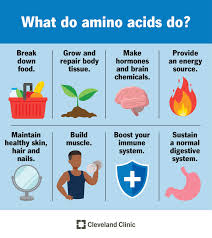
As we often hear, amino acids (also called amino acids) are essential components of proteins. But what exactly are they, and why do they play such a crucial role in our bodies? In this article, we’ll delve into the world of amino acids, exploring their structure, function, and importance in human nutrition.
Amino Acids: The Building Blocks of Proteins
Imagine building with LEGO blocks – each block represents an amino acid, and when combined, they form complex structures like proteins. Amino acids are organic compounds that contain a functional group (-NH2) and a carboxyl group (-COOH). Each amino acid has a unique structure, which determines its properties and functions in the body.
The Structure of Amino Acids
Amino acids have a carbon backbone with various side chains (R groups) attached. The most common R groups are hydrophobic (non-polar), polar, basic, or acidic. These characteristics influence how amino acids interact with other molecules, ultimately affecting protein structure and function.
The 20 Standard Amino Acids
Humans use 20 standard amino acids to build proteins. They can be categorized into:
- Non-polar (hydrophobic) amino acids: Glycine, Alanine, Leucine, Isoleucine, Proline, Methionine, Threonine, Valine
- Polar (hydrophilic) amino acids: Serine, Cysteine, Asparagine, Glutamine
- Basic amino acids: Lysine, Arginine, Histidine
- Acidic amino acids: Aspartic acid, Glutamic acid
The Importance of Amino Acids in Human Nutrition
Amino acids are essential for various bodily functions, including growth and development. However, our bodies can synthesize some amino acids on their own. The remaining amino acids must be obtained through our diet.
Essential Amino Acids (EAAs)
There are nine EAAs that humans cannot produce in sufficient quantities:
- Phenylalanine
- Isoleucine
- Lysine
- Leucine
- Methionine
- Threonine
- Tryptophan
- Valine
- Histidine
Other Amino Acids
Besides EAAs, there are many other amino acids that play important roles in human health:
- Carnosine: involved in muscle function and antioxidant properties
- Citrulline: contributes to nitric oxide production and athletic performance
- Ornithine: helps with ammonia removal during exercise
Where Do Amino Acids Come from?
Amino acids are found in various food sources:
- Animal-based proteins: meat, fish, poultry, eggs, dairy products
- Vegetable-based proteins: legumes, beans, lentils, tofu
- Complete proteins: foods that provide all nine EAAs
However, not all plant-based proteins are complete. For example, soy protein is low in methionine and lysine.
The Role of Amino Acids in Human Health
Amino acids play a crucial role in maintaining optimal health. Here are some ways they contribute to our well-being:
- Muscle growth and repair: amino acids like leucine and valine stimulate muscle protein synthesis, leading to increased muscle mass.
- Antioxidant properties: carnosine has been shown to reduce oxidative stress and inflammation in the body.
- Nitric oxide production: citrulline helps produce nitric oxide, which improves blood flow and exercise performance.
- Immune system function: amino acids like tryptophan and tyrosine are involved in immune system regulation.
Amino Acid Deficiencies
While amino acid deficiencies are rare, they can occur due to various factors:
- Malabsorption disorders: celiac disease, Crohn’s disease, or other conditions that impair nutrient absorption.
- Inadequate diet: a lack of essential nutrients in the diet.
- Medical conditions: kidney disease, liver disease, or other health issues that affect amino acid metabolism.
Conclusion
Amino acids are the building blocks of proteins, which play vital roles in various bodily functions. By understanding the structure, function, and importance of amino acids, we can appreciate their significance in human nutrition. A well-balanced diet that includes a variety of protein sources is essential for maintaining optimal health.
Frequently Asked Questions (FAQs)
- What are the benefits of consuming amino acids?
Amino acids support muscle growth, repair, and function, as well as overall health. - Can I get enough amino acids from plant-based sources?
Yes, but it’s essential to consume a variety of protein-rich foods to ensure you’re getting all nine EAAs. - What is the role of amino acids in athletic performance?
Amino acids like carnosine and citrulline can enhance endurance and athletic performance by delaying fatigue and improving muscle function. - Can I take amino acid supplements?
While amino acid supplements can be beneficial, it’s crucial to consult with a healthcare professional before adding any supplements to your diet. - What are the potential side effects of excessive amino acid intake?
Excessive amino acid consumption may lead to digestive issues, kidney strain, or other health problems; always consult with a healthcare professional for personalized advice. - Can I get enough amino acids from food alone?
Yes, but it’s essential to maintain a balanced diet that includes a variety of protein-rich foods to ensure you’re getting all the necessary amino acids. - What are the different types of amino acid supplements?
There are various forms of amino acid supplements available, including capsules, powders, and tablets. - Can I combine amino acids with other nutrients for enhanced benefits?
Yes, combining amino acids with other nutrients like carbohydrates, fats, or vitamins may enhance their effectiveness.
Additional Resources
If you’re interested in learning more about amino acids, here are some additional resources:
- The National Institutes of Health (NIH) provides information on amino acid functions and deficiencies.
- The American College of Sports Medicine (ACSM) offers guidance on amino acid supplementation for athletes.
- Online forums and communities discuss the benefits and potential side effects of amino acid supplements.
By understanding the world of amino acids, we can make informed decisions about our diet and lifestyle. Whether you’re looking to improve your athletic performance or simply maintain optimal health, amino acids play a crucial role in achieving these goals.


