
Introduction
As we step into the world of entertainment, it’s hard not to be mesmerized by the death-defying acrobats, mesmerizing jugglers, and dazzling magicians that make up the circus. However, have you ever stopped to think about what lies behind the curtains? The use of animals in circuses has been a topic of debate for years, with many questioning its ethics and morality. In this article, we’ll delve into the world of animal-free circuses, exploring the reasons why they’re gaining popularity and why it’s essential to consider their impact on our society.
The Dark Side of Animal Use in Circuses
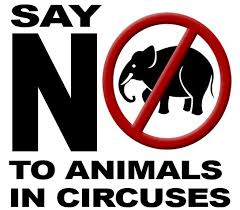
Enpa, the Italian National Animal Protection Association, has launched a campaign to ban the use of animals in circuses. Their title, “Del divertimento neanche l’ombra,” translates to “Not even a shadow of fun,” highlights their strong stance against this practice. According to Enpa, leaving children believing that it’s normal to see animals performing tricks is unfair and misleading. They ask us to reflect on the fact that using animals in circuses involves maltrattamenti, sofferenze, violazioni di leggi (abuse, suffering, and law violations).
The Inhumanity of Animal Use
Enpa emphasizes that even if there are some circuses that respect animal welfare, the issue persists. They question whether such a place can be considered educational for children, asking us to ponder: “Is it not a place where animals are held captive and are far removed from their natural state?” The association’s words drive home the point that the use of animals in circuses is unnatural and unjustifiable.
The Rise of Animal-Free Circuses
Enpa supports animal-free circuses, which focus on acrobats, jugglers, magicians, and other performers who have no connection to violence, exploitation, or coercion. These circuses offer an exciting alternative that prioritizes the well-being and safety of both humans and animals.
Types of Animal-Free Circuses
There are several types of animal-free circuses, each offering a unique experience:
- Variety Shows: Featuring acrobats, jugglers, magicians, and other performers who showcase their skills without relying on animals.
- Cirque du Soleil-inspired Productions: Immersive shows that blend circus arts with street entertainment, dance, and theater.
- Physical Theater: A type of performance art that combines movement, acrobatics, and drama to create an immersive experience.
Benefits of Animal-Free Circuses
Animal-free circuses offer several benefits, including:
- Improved Animal Welfare: By not using animals, these circuses ensure the well-being and safety of both humans and animals.
- Increased Safety: Without the risk of animal-related injuries or accidents, animal-free circuses provide a safer environment for audiences.
- More Diverse Performances: These circuses can feature a wider range of acts and performers, including those with disabilities or from diverse cultural backgrounds.
Conclusion: A Call to Action
As we continue to question the use of animals in circuses, it’s essential to consider the impact it has on our society. By supporting animal-free circuses, we’re not only promoting a more humane form of entertainment but also sending a strong message about the importance of animal welfare.
Frequently Asked Questions (FAQs)
- Why should I care about animal use in circuses?
The use of animals in circuses involves maltrattamenti, sofferenze, violazioni di leggi (abuse, suffering, and law violations), which can have long-term effects on the well-being of both humans and animals. - Are all circuses created equal?
No, some circuses prioritize animal welfare, while others do not. It’s essential to research and choose a circus that aligns with your values and promotes responsible animal care. - How can I support animal-free circuses?
You can start by visiting their websites, attending shows, and spreading the word about the benefits of animal-free entertainment. - Can animals be trained for circus performances?
Yes, but it’s essential to consider alternative methods that prioritize animal welfare and avoid causing unnecessary stress or harm. - What are some alternatives to traditional circuses?
Animal-free circuses offer a range of exciting performances, from acrobatics and juggling to magic and variety shows.
Join the Movement
By joining the conversation about animal use in circuses, we can work together towards creating a more compassionate and responsible entertainment industry. Let’s make our voices heard and promote animal-free circuses for generations to come.
Additional Resources
- Enpa (Italian National Animal Protection Association)
- Circus Without Animals
- Animal-Free Circuses
By taking action and supporting animal-free circuses, we can create a more humane and responsible entertainment industry that prioritizes the well-being of both humans and animals.


