
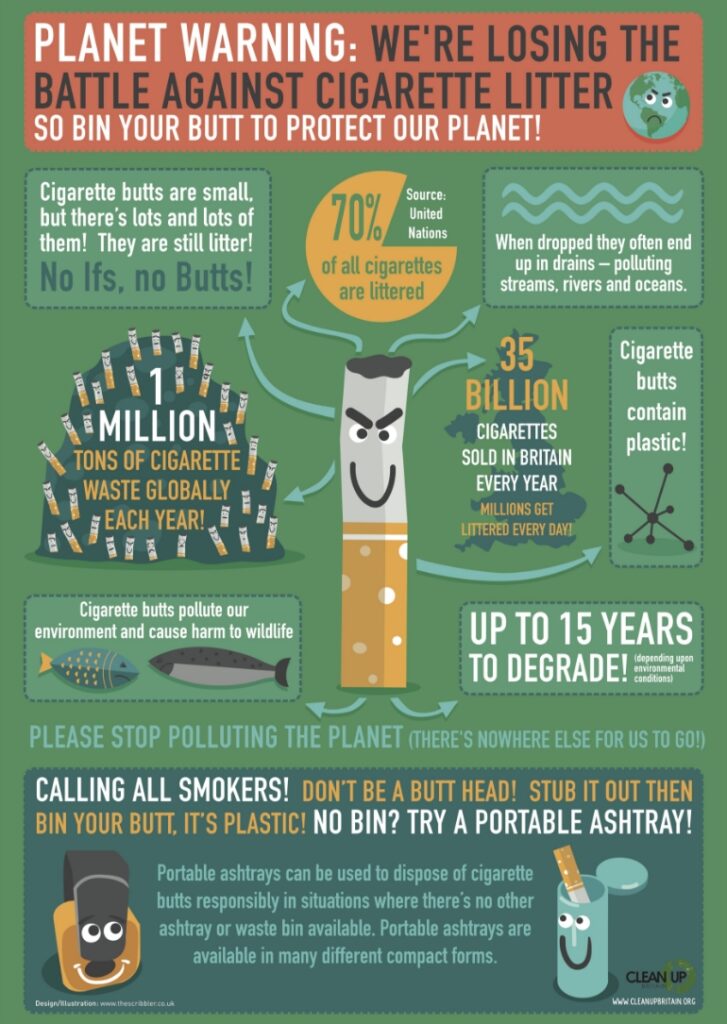
The Alarming Reality of Cigarette Butts
Every day, approximately 195 million cigarette butts are produced in Italy, with the majority ending up on the streets or even in our oceans. These seemingly harmless cigarette butts pose a significant threat to our environment, accounting for an estimated 40% of the waste found in the Mediterranean Sea.
The statistics are staggering: every year, millions of cigarette butts contribute to pollution and environmental degradation. The impact is not limited to Italy; it’s a global concern that affects us all. In this article, we will delve into the complexities of the smoking wastage problem, explore the reasons behind it, and discuss potential solutions.
Why Can’t We Simply Dispose of Cigarette Butts?
While it may seem simple enough to collect and dispose of cigarette butts, the reality is far more complex. These small items contain a plethora of toxic chemicals, including nicotine, benzene, volatile organic compounds (VOCs), polonium-210, and acetate cellulose, a plastic material that makes up the filter.
Cigarette butts are not just simple scraps; they are a ticking time bomb of toxic substances. The sheer number of chemicals emitted by cigarette smoking is staggering – over 4,500 substances, many of which are cancer-causing, toxic, or irritating.
The Extensive List of Toxins in Cigarette Butts
Cigarette butts contain an array of harmful substances that can have devastating effects on the environment. Some of these toxins include:
- Nicotine: A highly addictive substance that can cause harm to humans and animals alike.
- Benzene: A known carcinogen that has been linked to various health problems, including leukemia.
- Volatile Organic Compounds (VOCs): Chemicals that can contribute to air pollution and negatively impact human health.
- Polonium-210: A highly radioactive substance that can contaminate soil and water.
- Acetate cellulose: A plastic material used in cigarette filters that contributes to microplastic pollution.
Classifying Cigarette Butts as Hazardous Waste
Given the hazardous nature of these substances, it’s clear that cigarette butts should be classified as a type of hazardous waste. The European Union has already recognized the risks associated with cigarette butt disposal and has implemented measures to reduce their impact on the environment.
In 2016, the EU introduced a directive requiring member states to take steps to prevent the pollution caused by cigarette butt waste. However, there is still much work to be done to address this issue.
Government and Local Authorities Must Act
The Italian government, local authorities, and employers must work together to establish guidelines for proper disposal practices. Installing designated receptacles for cigarette butts in public spaces is a crucial step towards mitigating this problem.
This can include:
- Installing ashtrays: Providing designated areas where people can dispose of their cigarette butts in a responsible manner.
- Promoting education and awareness: Educating the public about the risks associated with cigarette butt waste and promoting responsible disposal practices.
- Implementing regulations: Establishing clear regulations and enforcement mechanisms to ensure that individuals comply with proper disposal practices.
Individuals Can Also Make a Difference
While governments and institutions play a significant role in addressing the issue, individuals can also take action. Using portable ashtrays or containers specifically designed to collect cigarette butts is an effective way to reduce waste.
Here are some simple steps you can take:
- Use a portable ashtray: Carry a small container with you when smoking outside and dispose of your cigarette butts properly.
- Choose filtered cigarettes: Opt for cigarettes with filters that contain biodegradable materials or no filters at all.
- Support anti-smoking initiatives: Encourage friends, family, and community members to quit smoking and support local anti-smoking initiatives.
California Sets a Precedent
In California, environmental authorities have taken a proactive approach by classifying cigarette smoke as a toxic air pollutant. Similarly, numerous studies have highlighted the contamination of water and soil by cigarette butts.
The state’s efforts serve as a model for other regions to follow. By implementing strict regulations and education campaigns, California has made significant strides in reducing the environmental impact of cigarette butt waste.
Conclusion: A Call to Action
The problem of cigarette butt disposal is not just an Italian issue; it’s a global concern that requires immediate attention. By working together, we can reduce the environmental impact of this seemingly harmless waste. It’s time for governments, institutions, and individuals to take responsibility for their actions and work towards creating a cleaner, healthier environment.
Frequently Asked Questions (FAQs)
- Q: Why is cigarette butt disposal such a significant issue?
A: Cigarette butts contain numerous toxic chemicals that can pollute our oceans, soil, and air, posing a threat to human health and the environment. - Q: Can we simply dispose of cigarette butts in regular trash cans?
A: No, due to their hazardous nature, cigarette butts require specialized disposal practices to prevent environmental contamination. - Q: Are there any effective ways to reduce cigarette butt waste?
A: Using portable ashtrays or containers specifically designed for cigarette butts is an effective way to minimize waste and promote responsible disposal practices. - Q: What role can governments play in addressing this issue?
A: Governments must establish guidelines for proper disposal practices, install designated receptacles, and enforce regulations to prevent environmental contamination. - Q: Can individuals make a difference by changing their smoking habits?
A: Yes, quitting or reducing smoking is an effective way to minimize the number of cigarette butts produced and ultimately contribute to a cleaner environment. - Q: How can we hold people accountable for disposing of cigarette butts correctly?
A: Governments and institutions must establish clear regulations and enforcement mechanisms to ensure responsible disposal practices. - Q: What are some potential consequences of neglecting to dispose of cigarette butts properly?
A: Neglecting to dispose of cigarette butts correctly can lead to environmental pollution, harm to wildlife, and negative impacts on human health. - Q: Are there any innovative solutions being developed to address this issue?
A: Yes, researchers are exploring various innovative approaches, including biodegradable materials for cigarette filters and smart waste management systems.
By working together and taking responsibility for our actions, we can create a cleaner, healthier environment for ourselves and future generations.


