
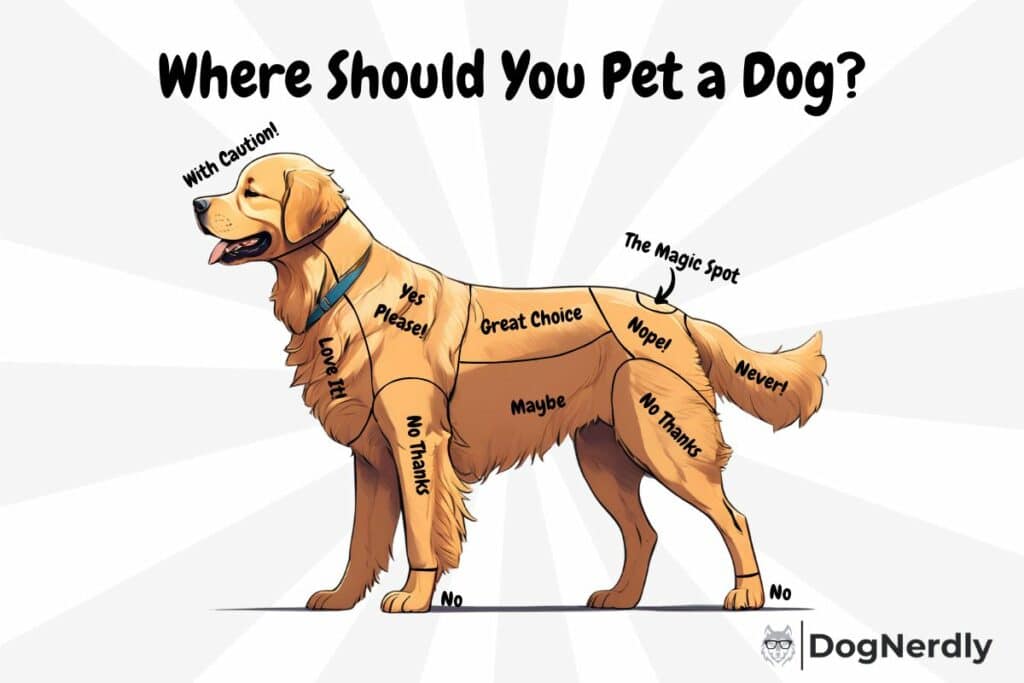
As any dog owner knows, grooming is an essential aspect of canine care. However, it’s not just about physical appearance; it’s also about building trust and understanding between you and your furry friend. In this article, we’ll delve into the world of canine grooming, exploring what works and what doesn’t, and provide tips on how to make your dog feel comfortable and relaxed during interactions.
The Importance of Reading Canine Body Language
Before attempting to groom your dog, it’s crucial to understand their body language. A relaxed dog will have a loose posture, with ears up and tail wagging. On the other hand, a tense dog will display rigid muscles, raised hackles, or a tucked tail. By observing these signs, you can gauge whether your dog is receptive to grooming or needs space.
Recognizing Canine Stress Triggers
Some situations can trigger stress in dogs, making them more challenging to groom. For example:
- When a dog is left alone for extended periods without attention
- If a dog has been recently separated from its owner or other animals
- During times of loud noises or unexpected events
In such cases, it’s essential to approach your dog with caution and patience.
Grooming Techniques for Different Breeds
While some breeds may require more specific grooming techniques, the following general guidelines can be applied:
- Small breeds: Approach these dogs slowly, speaking calmly and softly. Allow them to initiate contact before proceeding.
- Large breeds: Move at a slower pace, using gentle strokes and minimal handling.
Grooming Techniques for Dogs with Special Needs
Some dogs may require additional care due to medical conditions or sensory issues:
- Dogs with arthritis: Use gentle strokes and avoid putting pressure on joints.
- Dogs with anxiety: Gradually introduce grooming sessions, starting with short periods of exposure to new environments.
Additional Tips for a Stress-Free Grooming Experience
To ensure a positive experience for both you and your dog:
- Maintain a calm environment: Avoid loud noises or sudden movements
- Use gentle products: Opt for hypoallergenic shampoos and conditioners
- Offer treats and rewards: Positive reinforcement can help build trust
Common Mistakes to Avoid
When it comes to grooming, some mistakes can have unintended consequences:
- Over-handling: Be mindful of your dog’s limits, avoiding excessive handling or touch.
- Using the wrong tools: Ensure you’re using the right brushes and combs for your dog’s coat type.
Benefits of Regular Grooming
Regular grooming offers numerous benefits, including:
- Improved skin health
- Enhanced coat condition
- Reduced shedding
- Prevention of matting and tangling
- Strengthened bond between you and your dog
Grooming as a Bonding Experience
Grooming is an excellent opportunity to spend quality time with your dog, strengthening the bond between you. By focusing on gentle techniques and positive reinforcement, you can create a nurturing environment that promotes trust and relaxation.
Tips for Introducing Grooming to Your Dog
Introducing grooming to your dog requires patience and understanding. Here are some tips:
- Start with short sessions: Begin with brief grooming sessions to gauge your dog’s reaction.
- Use positive reinforcement: Reward your dog with treats and praise during grooming sessions.
- Gradually increase duration: As your dog becomes more comfortable, you can gradually increase the length of grooming sessions.
Conclusion
Grooming is a vital aspect of canine care, requiring patience, understanding, and attention to detail. By recognizing canine body language, identifying stress triggers, and employing gentle grooming techniques, you can create a positive experience for both you and your furry friend.
By following these guidelines and tips, you can strengthen the bond between you and your dog, creating a lifelong friendship built on trust, respect, and affection.


