
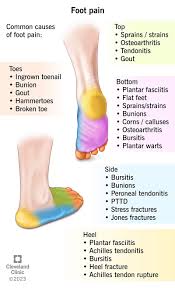
As we go about our daily lives, our feet undergo various traumas every day. Being the “tools” we use for walking, running, jumping, and climbing, it’s no surprise that they’re prone to a wide range of problems.
With 26 different bones in each foot, making them one of the most intricate areas of the body, plantar pain can be a debilitating condition that affects millions of people worldwide. In this article, we’ll explore the main causes of plantar pain, identify the symptoms, and discuss effective treatments.
The Athlete’s Foot
Athlete’s foot is a common condition caused by a fungal infection of the skin between the toes. It can be highly contagious and spread easily in areas where people walk barefoot, such as gyms, showers, or pools. Wearing closed shoes can actually exacerbate the problem.
Symptoms of athlete’s foot include itching, redness, scaling, vesicles, and desquamation (peeling skin). The condition typically starts between the fourth and fifth toes but can spread to other areas of the foot.
Treatment for athlete’s foot involves keeping the feet clean and dry, applying topical antifungal creams or sprays, and consulting a doctor if the infection persists. In severe cases, oral antifungals may be prescribed.
Diabetic Neuropathy
People with diabetes are more susceptible to fluctuations in blood sugar levels, which can damage nerves, especially those in the feet. This condition is not a single illness but rather a group of conditions that affect the feet due to diabetes.
Symptoms of diabetic neuropathy include numbness, tingling, and pain in the feet. This lack of sensation increases the risk of foot injuries and infections.
Managing blood sugar levels, quitting smoking, avoiding excessive alcohol consumption, and having a family history of diabetic neuropathy can help alleviate symptoms. Regular foot exams can also detect potential problems early on.
Plantar Fasciitis
Plantar fasciitis is the most common cause of heel pain, characterized by inflammation of the plantar fascia, a band of tissue that supports the arch of the foot.
Factors such as obesity, tight calf muscles, and repetitive stress on the heel can contribute to this condition. Symptoms include sharp pain at the base of the heel, worse in the morning when rising from bed and exacerbated by physical activity.
Treatment for plantar fasciitis typically involves home remedies like rest, ice, and stretching exercises. Over-the-counter anti-inflammatory medications, orthotics, and shoe inserts may also be recommended. In severe cases, physical therapy or surgery may be necessary.
Calluses
Calluses are thickened areas of skin that can develop on the soles of the feet or toes to protect against friction and pressure. While usually painless, they can become painful if not treated properly.
Causes include poor foot hygiene, wearing ill-fitting shoes, or repetitive pressure on specific areas. Treatment involves using topical creams or pads to soften the callus, followed by gradual removal with a pumice stone.
Heel Spur
A heel spur is an abnormal growth of bone tissue that can cause pain and discomfort in the heel. This condition is often caused by repeated stress on the heel bones, as well as underlying conditions like arthritis or overweight.
Symptoms include sharp pain in the heel, especially when standing or walking. Treatment options may include ice packs, anti-inflammatory medications, orthotics, and shoe inserts.
Plantar Warts
Plantar warts are small, rough growths on the soles of the feet caused by the human papillomavirus (HPV). They can be painful and unsightly, especially if they appear between the toes or near pressure points.
Treatment for plantar warts typically involves using salicylic acid creams or pads to soften and dissolve the wart. In severe cases, cryotherapy may be used to freeze the wart, followed by surgical removal in rare instances.
Injuries
Foot injuries are a common cause of plantar pain. Cuts, sprains, and strains can all lead to significant discomfort and potentially long-term damage if left untreated.
Causes include poor footwear, uneven surfaces, and accidents involving heavy objects or sharp objects. Treatment for foot injuries typically involves rest, ice, compression, and elevation (RICE) therapy, followed by physical therapy and rehabilitation as needed.
Prevention
Preventing plantar pain is often easier than treating it. By taking proactive steps to protect your feet, you can reduce the risk of developing plantar pain.
Causes include proper footwear, regular exercise, and maintaining good foot hygiene. Additionally, having a balanced diet rich in nutrients and vitamins can help support overall health and well-being.
FAQs
- What are the most common causes of plantar pain?: Plantar pain can be caused by a variety of factors, including athlete’s foot, diabetic neuropathy, plantar fasciitis, calluses, heel spurs, and vescicles.
- How do I treat athlete’s foot?: Treatment for athlete’s foot involves keeping the feet clean and dry, applying topical antifungal creams or sprays, and consulting a doctor if the infection persists.
- Can diabetes be cured?: While there is no cure for diabetes, it can be effectively managed through lifestyle changes and medical treatment.
- How do I treat plantar fasciitis?: Treatment for plantar fasciitis typically involves home remedies like rest, ice, and stretching exercises. Over-the-counter anti-inflammatory medications, orthotics, and shoe inserts may also be recommended.
- What are the most effective treatments for heel pain?: The most effective treatment for heel pain depends on the underlying cause. Treatment options may include ice packs, anti-inflammatory medications, orthotics, and shoe inserts.
By understanding the causes of plantar pain and taking proactive steps to prevent and manage symptoms, you can enjoy a more comfortable and healthy life. Consult with a healthcare professional if your symptoms persist or worsen over time.
Conclusion
Plantar pain is a common condition that affects millions of people worldwide. By identifying the underlying causes of plantar pain and using effective treatments, you can alleviate discomfort and improve overall foot health. Whether you’re experiencing athlete’s foot, diabetic neuropathy, plantar fasciitis, or another condition, there are many ways to manage symptoms and prevent further damage.
By incorporating preventative measures into your daily routine, such as wearing proper footwear and maintaining good foot hygiene, you can significantly reduce the risk of developing plantar pain. Remember to consult with a healthcare professional if your symptoms persist or worsen over time, as early detection and treatment can make a significant difference in recovery and overall health.
Stay informed about the latest research and treatments for plantar pain, and take proactive steps to protect your feet. With the right knowledge and care, you can enjoy a more comfortable and healthy life.


