
Introduction
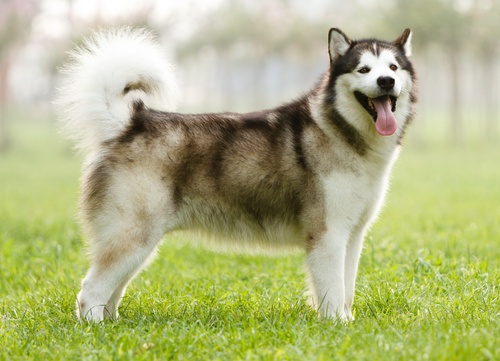
In the vast and rugged terrain of North America, there exists a breed of dog that has captivated the hearts of many – the Alaskan Malamute. With its striking appearance, impressive size, and majestic demeanor, it’s no wonder why this canine is often considered one of the most iconic breeds in the world.
Origins of the Alaskan Malamute
The Alaskan Malamute has a rich history that dates back thousands of years. Originating from the Siberian region, the breed was developed to pull sleds and hunt in the harsh Arctic climate. The name “Malamute” is believed to be derived from the Inupiat word for “wolf-dog,” which reflects its wolf-like appearance and behavior.
Physical Characteristics
The Alaskan Malamute is a large breed with a sturdy build, weighing between 35-60 kg (77-132 lbs) and standing at an average height of 58-63 cm (23-25 inches). Its distinctive features include a double coat, with a thick undercoat and a longer, guard-hair coat that sheds heavily. The breed comes in various colors, including gray, black, brown, gold, and red, with white markings on the face, chest, and paws.
Personality
Despite its intimidating appearance, the Alaskan Malamute is known for its friendly and affectionate nature. It’s a highly social breed that thrives on interaction and attention from its human family members. The breed is also highly intelligent and trainable, making it an excellent choice for active owners who can provide the necessary exercise and mental stimulation.
Adaptation to Environment
The Alaskan Malamute is well-suited to harsh environments, with a thick coat that provides insulation against extreme temperatures. However, this also means that the breed requires regular grooming to prevent matting and tangling of its fur.
Health Considerations
As a large breed dog, the Alaskan Malamute is prone to certain health issues, including hip dysplasia, elbow dysplasia, and eye problems. Regular veterinary check-ups and a balanced diet can help minimize these risks. Additionally, the breed is susceptible to certain genetic disorders, such as Progressive Retinal Atrophy (PRA) and Degenerative Myelopathy (DM).
Price
The price of an Alaskan Malamute can vary greatly depending on factors such as the breeder’s reputation, bloodlines, and location. On average, a puppy from a reputable breeder can cost between €1,000 to €2,500. However, be aware that buying from a reputable breeder is essential to ensure you’re getting a healthy and well-socialized puppy.
Conclusion
The Alaskan Malamute is a majestic breed that has captured the hearts of many dog enthusiasts around the world. With its rich history, stunning appearance, and friendly demeanor, it’s no wonder why this breed remains one of the most popular in the canine world.
Frequently Asked Questions (FAQs)
-
Q: What makes an Alaskan Malamute a good family pet?
A: The Alaskan Malamute is a highly social breed that thrives on interaction and attention from its human family members. It’s also relatively easy to train, making it an excellent choice for active owners who can provide the necessary exercise and mental stimulation. -
Q: How much exercise does an Alaskan Malamute require?
A: The Alaskan Malamute is a highly energetic breed that requires regular exercise to stay happy and healthy. Daily walks, runs, or playtime are essential to maintain its physical and mental well-being. However, the breed’s size also means it needs plenty of space to move around. -
Q: Can I keep an Alaskan Malamute as a companion dog in an apartment?
A: While it’s technically possible to keep an Alaskan Malamute as a companion dog in an apartment, this breed requires regular exercise and space to roam. If you live in an apartment, consider providing a large outdoor area or a dog park for your furry friend. -
Q: How much grooming does an Alaskan Malamute require?
A: The Alaskan Malamute has a thick double coat that sheds heavily, requiring regular brushing and grooming to prevent matting and tangling. Be prepared to spend time and effort on its grooming needs! -
Q: Are Alaskan Malamutes prone to any health issues?
A: Yes, the Alaskan Malamute is prone to certain health issues, including hip dysplasia, elbow dysplasia, and eye problems. Regular veterinary check-ups and a balanced diet can help minimize these risks. -
Q: How much does an Alaskan Malamute cost?
A: The price of an Alaskan Malamute can vary greatly depending on factors such as the breeder’s reputation, bloodlines, and location. On average, a puppy from a reputable breeder can cost between €1,000 to €2,500. -
Q: Can I train my Alaskan Malamute?
A: Yes, the Alaskan Malamute is highly trainable, responding well to positive reinforcement training methods. Consistency, patience, and clear communication are key to developing a strong bond with your furry friend! -
Q: Why should I consider adopting an Alaskan Malamute instead of buying from a breeder?
A: Adopting an Alaskan Malamute from a rescue organization or shelter can provide a loving home for a deserving dog in need. By adopting, you’ll not only save a life but also open up space for another dog to be helped.
Additional Resources
If you’re interested in learning more about the Alaskan Malamute breed or want to find a reputable breeder, visit our list of recommended resources below:
- Dog Breed Club
- Alaskan Malamute Rescue Organization
- American Kennel Club (AKC) Breeder Directory
- Alaskan Malamute Club of America
Tips for First-Time Owners
If you’re considering bringing an Alaskan Malamute into your family, here are some valuable tips to keep in mind:
- Research and preparation: Learn as much as possible about the breed’s needs, temperament, and potential health issues.
- Exercise and playtime: Provide regular exercise and playtime to maintain your dog’s physical and mental well-being.
- Training and socialization: Train your Alaskan Malamute using positive reinforcement methods and provide opportunities for socialization with other dogs and people.
- Grooming: Regular grooming is essential to prevent matting and tangling of its coat, as well as to keep it clean and healthy.
- Health checks: Regular veterinary check-ups can help identify potential health issues early on.
Common Alaskan Malamute Health Issues
Some common health issues affecting the Alaskan Malamute breed include:
- Hip dysplasia: A genetic condition that affects the hip joint, causing pain and mobility problems.
- Elbow dysplasia: A similar condition affecting the elbow joint, also leading to pain and mobility problems.
- Eye problems: The breed is prone to eye issues such as Progressive Retinal Atrophy (PRA) and Cataracts.
- Degenerative myelopathy: A genetic condition that affects the spinal cord, causing paralysis and loss of coordination.
- Hypothyroidism: A thyroid disorder that can lead to weight gain, skin problems, and other health issues.
Conclusion
The Alaskan Malamute is a majestic breed with a rich history, stunning appearance, and friendly demeanor. With proper care, attention, and training, this breed can thrive as a loving companion in your family. However, it’s essential to be aware of the potential health issues that may affect the breed and take steps to prevent them.
Final Thoughts
If you’re considering bringing an Alaskan Malamute into your life, remember that this breed is not for everyone. With its high energy levels, strong will, and potential health issues, it’s essential to carefully consider your lifestyle and living situation before making a decision. However, if you’re willing to provide the necessary care and attention, the rewards of owning an Alaskan Malamute can be immense.
Additional Resources
If you have any further questions or concerns about the Alaskan Malamute breed, please don’t hesitate to reach out. Our list of recommended resources below provides valuable information on reputable breeders, rescue organizations, and veterinary care:


