
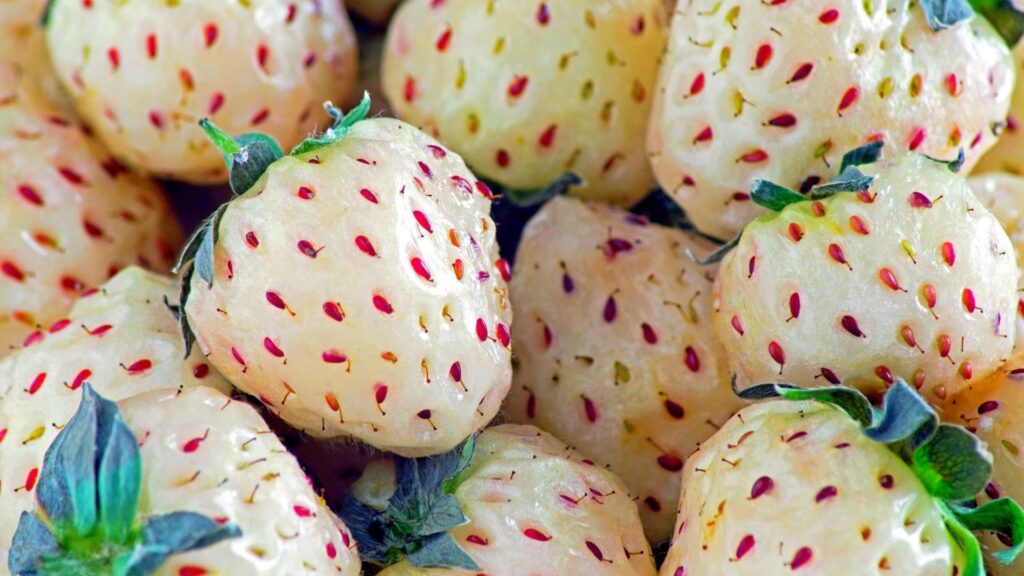
What are Pineberries? And What Makes Them So Special?
Pineberries have been gaining popularity worldwide, particularly in rural markets and specialty food stores that cater to organic products. But what exactly is a pineberry, and what sets it apart from other fruits? In this article, we’ll delve into the world of pineberries and discover everything you need to know about this unique fruit.
Are Pineberries a Type of Strawberry?
The answer is yes! Pineberries are actually parent fruits of strawberries, just like common garden strawberries (Fragaria ananassa). These plants were originally cultivated and selected for their distinct appearance and taste. This fascinating relationship between pineberries and strawberries is worth exploring further.
How Do Pineberries Differ from Red Strawberries?
Despite sharing many characteristics with red strawberries, pineberries have a unique twist: the fruit itself. Pineberry fruit is white to pinkish in color, and initially green, giving it a striking appearance. The flavor and aroma of pineberries are also distinctive, being more bitter than most modern domestic strawberries.
The Magic of Cross-Pollination: What Happens When Red Strawberries Meet Pineberries?
Cross-pollination between red strawberry varieties and pineberries can lead to increased yields for both plants. However, the resulting fruit will not be a hybrid; instead, seeds from the resulting fruit can be planted to grow new pineberry plants. This process is an excellent example of how nature’s diversity can create something truly special.
The Nutritional Powerhouse: Pineberries 101
One 100g serving of pineberry contains:
- 107 kcal
- 0.2g fat
- 1mg sodium
- 268mg potassium
- 26.5g carbohydrates
- 1.8g fiber
- 21.9g sugars
Pineberries are an excellent source of essential nutrients, making them a great addition to your diet.
How to Enjoy Pineberries: The Art of Eating
Pineberries can be consumed in various ways, just like strawberries. Enjoy them fresh, or add sweeteners like honey, maple syrup, or sugar cane syrup to balance out the tart taste. Some people even enjoy pineberries with a squeeze of lemon juice, which complements their unique flavor.
Get Creative: Pineberry Sorbet and Beyond
Pineberries also lend themselves well to making sorbet, either alone or combined with other fruit varieties. Experiment with different flavors and combinations to find your favorite way to enjoy this delicious fruit.
The Health Benefits of Pineberries: Unlocking Their Power
Pineberries are packed with health benefits that can’t be ignored:
- Antioxidant properties help reduce oxidative stress and prevent heart disease.
- High carbohydrate content provides a natural energy boost (just remember not to overdo it).
- Elevated vitamin C levels support immune function, while antioxidants work tirelessly behind the scenes.
- Rich in fiber, pineberries can alleviate digestive issues and lower cholesterol and heart disease risk factors.
- Vitamin A content strengthens bones and teeth, ensuring overall health and wellness.
Conclusion: Unlocking the Pineberry’s Potential
In conclusion, pineberries are a unique fruit with numerous health benefits and culinary uses. By exploring their characteristics, nutritional value, and creative ways to enjoy them, you’ll unlock the full potential of this incredible fruit.
Frequently Asked Questions
- What is the best way to store pineberries?
Pineberries should be stored in a cool, dry place or refrigerated to maintain freshness. - Can I grow my own pineberry plant?
Yes! Seeds from cross-pollinated pineberries can be planted to grow new plants. - How do I choose the ripest pineberries?
Check for firmness and vibrant color – a slightly soft spot on the underside indicates ripeness. - What is the shelf life of pineberries?
Pineberries are best consumed fresh, but they can last up to 5 days in the refrigerator. - Can I use pineberry seeds for cooking or baking?
While pineapple seeds are edible, it’s not recommended for culinary use due to their bitter flavor and potential allergic reactions. - How do I make pineberry sorbet at home?
Combine pureed pineberries with a sweetener of your choice, add a touch of lemon juice, and freeze for a delicious treat! - Can pineberries be used in savory dishes?
Yes! Pineberries can complement strong flavors like citrus, herbs, or spices, adding a unique twist to your recipes. - Are pineberries safe to eat during pregnancy or breastfeeding?
As with any new food, consult your healthcare provider before introducing pineberries into your diet, especially if you have specific allergies or sensitivities.
Pineberry Nutrition Facts and Analysis
To further understand the nutritional value of pineberries, we’ll dive into a detailed analysis of their nutritional content. This will help you make informed decisions about incorporating pineberries into your diet.
- Macronutrient Breakdown
- Carbohydrates: 26.5g (55% of total calories)
- Fiber: 1.8g (7% of total calories)
- Protein: 0.6g (3% of total calories)
-
Fat: 0.2g (1% of total calories)
-
Micronutrient Content
- Vitamin C: 23mg (38% of the Daily Value (DV))
- Potassium: 268mg (8% of the DV)
- Folate: 4mcg (1% of the DV)
- Manganese: 0.3mg (15% of the DV)
The Pineberry’s Unique Characteristics
One of the most intriguing aspects of pineberries is their unique flavor profile and aroma. This can be attributed to the presence of various compounds, including:
- Malic acid: Responsible for the tart taste and astringent properties.
- Fumaric acid: Contributes to the fruit’s distinctive bitterness and acidity.
- Lycopene: A powerful antioxidant with anti-inflammatory properties.
Conclusion: Unlocking Pineberry Secrets
In conclusion, pineberries are an incredible fruit that offers numerous health benefits, unique culinary uses, and a fascinating history. By exploring their nutritional value, creative ways to enjoy them, and the science behind their distinct characteristics, you’ll unlock the full potential of this remarkable fruit.
Pineberry Uses in Traditional Medicine
Traditional medicine has long utilized pineberries for various purposes. Some of these include:
- Digestive issues: Pineberries have been used to alleviate digestive problems due to their high fiber content and natural sweetness.
- Antioxidant supplements: The antioxidant properties of pineberries make them an excellent addition to any supplement regimen.
- Immune system support: Pineberry extracts have been shown to boost the immune system, providing protection against various diseases.
Modern Applications for Pineberries
Pineberries are gaining popularity in modern industries due to their unique characteristics and health benefits. Some of these applications include:
- Food industry: Pineberries are being used as a natural sweetener and flavor enhancer in various food products.
- Cosmetics: The antioxidant properties of pineberries make them an excellent ingredient for skincare products, such as face creams and serums.
- Pharmaceuticals: Pineberry extracts are being researched for their potential to develop new medications.
Future Directions for Research
While pineberries have already shown incredible promise, there is still much to be discovered about this remarkable fruit. Some future research directions include:
- Genetic analysis: Further study of the genetic makeup of pineberries could reveal new insights into their unique characteristics.
- Phytochemical analysis: A more in-depth examination of the phytochemicals present in pineberries could unlock new potential uses for this incredible fruit.
- Clinical trials: Clinical trials involving pineberry extracts are needed to fully understand their health benefits and potential applications.
By exploring the world of pineberries, we can unlock their secrets and discover new ways to incorporate them into our lives. Whether you’re a seasoned foodie or just starting your culinary journey, pineberries are sure to become a favorite ingredient in no time!


