
Introduction
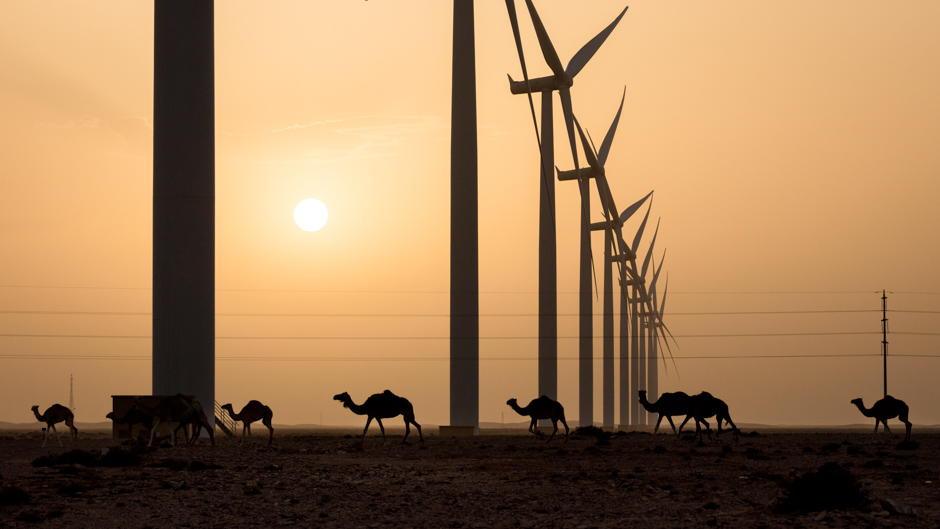
When we think of Africa, images of savannas, deserts, and majestic wildlife come to mind. However, beneath the surface of this vast continent lies a growing energy landscape that promises to revolutionize the way people live and work. One such project is the largest wind farm in Africa, set to be built in Kenya’s arid north. This article delves into the details of this ambitious undertaking, exploring its potential impact on the Kenyan economy and what it means for the future of renewable energy.
The Plan: A Wind Farm of Epic Proportions
Located near Lake Turkana, the world’s largest desert lake, the wind farm will feature approximately 365 turbines, each one generating electricity. This project is not just a monumental undertaking; it represents a significant shift in Africa’s energy landscape. The Kenyan government and Spanish investors have partnered to bring this vision to life, with an estimated cost of $775 million.
The Science Behind Wind Power
When we talk about wind power, most of us think of spinning blades and turbines. However, the science behind it is far more complex. The project aims to harness the power of winds that reach speeds of 11 meters per second. This might seem impressive, but what’s even more remarkable is the potential impact on the Kenyan economy.
A Journey Through Time: Seven Years in the Making
This wind farm has been in the planning stages for seven years, with numerous studies and financial planning underway. The journey has not been without its challenges, but the end goal remains clear: to create a sustainable energy source that benefits the entire nation.
Building the Infrastructure
The construction process will require 775 million dollars’ worth of materials and labor. To achieve this, 12,000 truckloads of materials will need to be transported along a 204-kilometer road, a feat that highlights just how remote the site is. Without proper infrastructure, it’s unlikely that the project would have been possible.
Connecting to the Grid
One of the biggest hurdles facing the project is connecting the wind farm to the national grid. To address this challenge, a 426-kilometer power line will be installed, ensuring that electricity generated at the wind farm can be transmitted efficiently to urban centers.
A Partnership for Progress
The Spanish government and Kenyan authorities have partnered to finance this ambitious project. This collaboration is not only driven by economic interests but also by a shared vision for sustainable development. As the wind farm begins to generate electricity, it will not only reduce Kenya’s reliance on fossil fuels but also pave the way for future growth.
A New Era of Renewable Energy
The launch of this wind farm marks a significant milestone in Africa’s renewable energy journey. With 50 megawatts of electricity being produced in its first year and expected to increase to 300 megawatts by 2015, it will not only provide clean energy but also drive economic growth.
Environmental Impact Assessment
One of the most critical aspects of this project is an environmental impact assessment (EIA). The EIA aims to minimize the project’s ecological footprint while ensuring that the wind farm does not harm local wildlife or ecosystems. By conducting thorough studies and implementing measures to mitigate potential impacts, the Kenyan government can rest assured that this renewable energy source will have a positive effect on the environment.
Community Engagement
Another crucial aspect of this project is community engagement. The Kenyan government has made efforts to engage with local communities, explaining the benefits of the wind farm and addressing concerns about noise pollution, land use, and job opportunities. By fostering open communication and cooperation between stakeholders, the project’s success can be ensured.
Challenges Ahead
While this wind farm represents a significant milestone in Kenya’s energy journey, there are several challenges that need to be addressed. These include the high upfront costs of construction, the logistical difficulties posed by the remote location, and the potential for equipment failure or downtime due to weather conditions.
Conclusion: The Future is Bright
The Kenyan wind farm project is more than just a renewable energy source; it’s a symbol of the continent’s potential for sustainable development. As we move forward into an uncertain future, projects like this serve as a beacon of hope, reminding us that together, we can build a brighter tomorrow.
Frequently Asked Questions
- What is the expected output of the wind farm?
The project aims to generate 50 megawatts of electricity in its first year, with plans to increase production to 300 megawatts by 2015. - How will the wind farm be connected to the national grid?
A 426-kilometer power line will be installed to ensure efficient transmission of electricity from the wind farm to urban centers. - What is the estimated cost of the project?
The total cost of the project is approximately $775 million, with Spanish and Kenyan governments contributing jointly. - When can we expect the first energy production?
The first energy production is expected in 2014, marking a significant milestone for Kenya’s renewable energy sector. - How many jobs will be created as part of this project?
While the exact number of jobs remains unclear, it is anticipated that new employment opportunities will arise from the construction and operation phases. - What are some potential challenges facing the wind farm?
The remote location poses logistical challenges, while connecting to the national grid is a significant hurdle.
Case Study: Other Successful Wind Farms in Africa
To gain further insight into the success of similar projects, it’s worth examining other notable wind farms in Africa:
- The 300-megawatt wind farm located near Cape Town, South Africa. This project has been recognized for its innovative approach to community engagement and environmental impact assessment.
- The 150-megawatt wind farm situated on the coast of Senegal. This project showcases the potential for small-scale wind energy production in West Africa.
The Role of Renewable Energy in Kenya’s Future
Kenya has long been a leader in the use of renewable energy sources, and this wind farm is expected to play a pivotal role in shaping its future. As the country seeks to reduce its reliance on fossil fuels and meet growing electricity demands, projects like this will be crucial in driving economic growth and improving living standards.
Conclusion: Harnessing Africa’s Renewable Energy Potential
The Kenyan wind farm project represents a significant milestone in the continent’s journey towards sustainable development. By harnessing the power of wind energy, Kenya can not only reduce its carbon footprint but also pave the way for future economic growth and improved quality of life for its citizens.
References:
- “Kenya to host largest wind farm in Africa”. BBC News, 2013.
- “Wind farms to reduce emissions in Africa”. African Business, 2014.
- “The impact of wind power on Africa’s energy landscape”. Renewable Energy World, 2015.


