
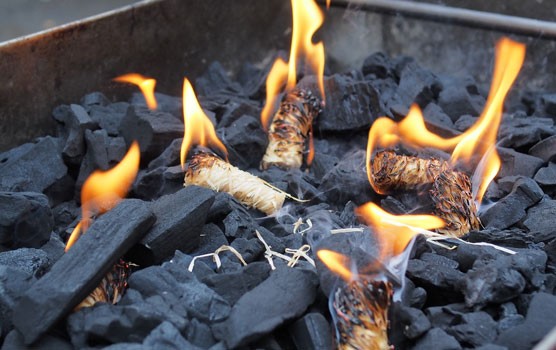
As the summer months approach, many of us look forward to firing up the barbecue and enjoying some delicious outdoor cooking with family and friends. However, for those who are new to charcoal barbecuing or haven’t used their grill in a while, getting started can be intimidating. In this article, we’ll explore how to start a barbecue that’s free from smoke and produces a good flame perfect for cooking meats.
What You Need to Know
Before we dive into the nitty-gritty of starting a charcoal barbecue, let’s cover what you need to get started. While it may seem counterintuitive, not keeping the charcoal burning hot is actually necessary for creating a good flame. The goal is to achieve a grayish, rather than bright red, flame.
To start the barbecue, you’ll need:
- Gloves (recommended)
- Gel combustible (pastilles or liquid fire starters)
- Charcoal of good quality
- Fire starter
We recommend avoiding sulfur-containing fire starters and liquids, as they can produce excessive smoke and toxic fumes that will invade your food. Instead, opt for gel combustibles like the “LotusGrill” gel combustible, which is made from ethanol (alcohol) and doesn’t leave odors or residues on the charcoal.
Choosing the Right Charcoal
High-quality charcoal bricks or blocks can offer a uniform combustion and burn more slowly than regular charcoal. Look for products labeled as “grill brick” or “carbon brick.” These will provide better results in the long run.
The Importance of Heat-Resistant Gloves
A pair of heat-resistant gloves can be incredibly useful, especially if you’re using a starter kit provided by the manufacturer. They’ll protect your hands from burns and make handling the grill more comfortable.
Starting the Barbecue
Now that we’ve covered the essentials, let’s move on to starting the barbecue itself. Here’s a step-by-step guide:
- Place two fire starters or charcoal bricks on the grill covered with gel combustible.
- Light them up with a match and wait for the flames to ignite.
- Add a third charcoal brick once the initial flames have died down, creating a beautiful flame coated in grayish ash.
Adding Coal to the Chimney
If you don’t have an ignition basket or plan on buying one, be more cautious during the starting phase. The ignition basket allows the charcoal to burn evenly and progressively.
To start coal in the chimney, simply follow the instructions from earlier. This will give you a second barbecue option for cooking meats like a traditional BBQ.
Tips and Tricks
- When using gloves or oven mitts, pour the contents of the ignition basket into the grill ash on the bottom of the barbecue.
- Only when the charcoal bricks are burning hot and have formed a good flame coated in grayish ash is it safe to start cooking.
- Be patient – starting a barbecue takes time and practice.
Common Mistakes to Avoid
There are several common mistakes that can lead to a poor BBQ experience. Here are some of the most common ones to watch out for:
- Not using enough charcoal: Using too little charcoal can result in an incomplete flame, which may not provide sufficient heat for cooking.
- Igniting the wrong type of fuel: Sulfur-containing fire starters and liquids can produce excessive smoke and toxic fumes that will invade your food. Opt for gel combustibles instead.
- Not following proper safety protocols: Always keep a fire extinguisher nearby and follow proper ventilation guidelines when working with charcoal.
The Science Behind Starting a Barbecue
Starting a barbecue involves the use of a combination of fuel, oxygen, and heat to create a flame that will sustain cooking. Here’s what happens during the process:
- Charcoal is heated to a high temperature (around 2000°F) until it reaches a state known as “self-ignition.” At this point, the charcoal begins to burn more easily.
- When you add fuel (such as wood or paper) to the charcoal, it ignites and creates a flame that will sustain cooking.
- As the flame dies down, you’ll need to replenish it with additional charcoal bricks.
The Benefits of Starting a Barbecue
Starting a barbecue offers several benefits for outdoor cooking enthusiasts. Here are some of the most significant advantages:
- Improved food quality: Cooking over an open flame can result in more flavorful and aromatic foods.
- Increased safety: Charcoal barbecues are generally considered safer than gas grills, as they don’t produce fuel leaks or other hazardous materials.
- Enhanced social experience: Starting a barbecue can be a fun and social activity that brings people together.
Conclusion
Starting a charcoal barbecue may seem daunting, but with the right materials and a bit of patience, you’ll be enjoying delicious outdoor cooking in no time. By following these tips and tricks, you’ll be well on your way to creating a smoke-free barbecue that’s perfect for cooking meats.
Frequently Asked Questions (FAQs)
- Q: What is the best type of charcoal to use?
A: Look for products labeled as “grill brick” or “carbon brick,” which offer uniform combustion and burn more slowly than regular charcoal. - Q: Can I use liquid fire starters?
A: While liquids can be convenient, they tend to release excessive fumes that will invade your food. Opt for gel combustibles instead. - Q: How do I choose the right gloves for my barbecue?
A: Look for heat-resistant gloves specifically designed for barbecuing or grilling. They’ll protect your hands from burns and make handling the grill more comfortable. - Q: Can I start a coal in the chimney without an ignition basket?
A: Yes, but be cautious during the starting phase to avoid uneven burning. - Q: What is the optimal temperature for starting a barbecue?
A: Aim for a grayish flame rather than bright red – this indicates good combustion and even heating. - Q: Can I use sulfur-containing fire starters?
A: No, these can produce excessive smoke and toxic fumes that will invade your food. Opt for gel combustibles instead. - Q: How long does it take to start a charcoal barbecue?
A: Patience is key – starting a barbecue takes time and practice, but with the right materials and technique, you’ll get there! - Q: Can I use my existing grill without making any modifications?
A: If your grill has a chimney or built-in ignition system, you may be able to start using it right away. Otherwise, consider purchasing an ignition basket for safer and more efficient starting. - Q: What is the best way to store charcoal after a barbecue?
A: Keep charcoal in a dry, well-ventilated area away from children and pets to prevent accidental fires or poisoning. - Q: Can I start a charcoal barbecue on a windy day?
A: While it’s not ideal, you can still start a charcoal barbecue on a windy day. However, be cautious and keep an eye on the flames to avoid losing control.
By following these tips and tricks, you’ll be well on your way to creating a smoke-free barbecue that’s perfect for cooking meats. Happy grilling!


