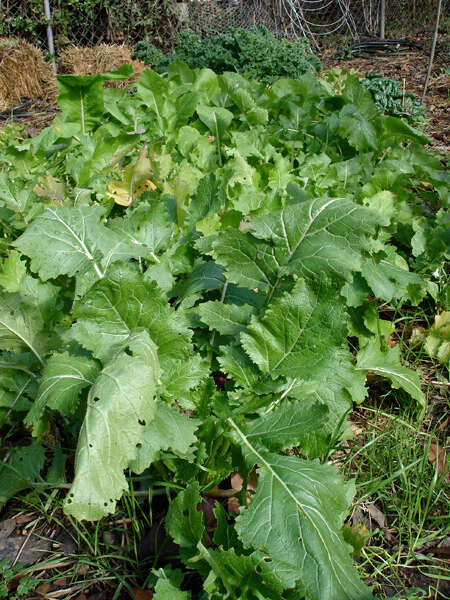
If you’re looking to grow rapini cabbage in your garden, you’re not alone. Many people enjoy cultivating radish roots, and rapini cabbage is a popular choice for its ease of care and versatility. But before we dive into the nitty-gritty of growing rapini cabbage, let’s explore why it’s a great addition to any garden.
Why Grow Rapini Cabbage?
Rapini cabbage is an excellent crop to grow because it’s easy to care for and can be cultivated alongside other “companion” plants like carrots and radishes. It also has a relatively long harvest season, making it perfect for summer gardens or late-summer plantings.
But growing rapini cabbage requires attention to detail, especially when it comes to timing and soil preparation. In this article, we’ll cover everything you need to know to grow delicious and healthy rapini cabbage.
Contents
- How to Grow Rapini Cabbage
- Harvesting Rapini Cabbage
- Common Diseases of Rapini Cabbage
- What to Do When a Rapini Plant is Diseased or Damaged
- Preventing Pests from Damaging Your Rapini Crop
How to Grow Rapini Cabbage
When it comes to growing rapini cabbage, timing is everything. If you’re looking for an early summer harvest, plant your seeds in late spring. If you prefer a fall harvest, wait until late summer or early autumn.
Before planting, make sure the soil is well-draining and rich in organic matter. Rapini cabbage loves to grow in full sun to partial shade, so choose a location that receives at least six hours of direct sunlight per day.
To get started, simply follow these steps:
- Prepare the soil by tilling it deeply and adding compost or other organic matter.
- Sow your rapini cabbage seeds about 1-2 inches apart in rows that are spaced 12-18 inches apart.
- Water the soil gently but thoroughly after planting.
- Thin out the seedlings to about 10-12 inches apart as they grow.
Harvesting Rapini Cabbage
Rapini cabbage is ready to harvest when the plants have reached a height of about 6-8 inches. To check for readiness, simply pull on one of the leaves – if it comes off easily, it’s time to harvest!
Here are some tips for harvesting rapini cabbage:
- Use scissors or a sharp knife to cut off the leaves and stalks at the base of the plant.
- Harvest in the morning when the plants are at their peak moisture content.
- Dry the harvested greens thoroughly to prevent spoilage.
Common Diseases of Rapini Cabbage
Rapini cabbage can be susceptible to several diseases, including:
- Root rot: caused by overwatering or poor drainage
- Leaf spot: a fungal disease that causes small, circular lesions on the leaves
To prevent root rot, make sure the soil is well-draining and avoid overwatering. To control leaf spot, use a fungicide specifically designed for this type of disease.
What to Do When a Rapini Plant is Diseased or Damaged
If you notice any signs of disease or damage on your rapini plants, take action immediately. Here are some tips:
- Remove affected leaves: use scissors or a sharp knife to cut off infected leaves and prevent the spread of disease.
- Apply fungicides or bactericides: use products specifically designed for this type of disease to control its spread.
Preventing Pests from Damaging Your Rapini Crop
Rapini cabbage can be susceptible to several pests, including:
- Aphids: small, soft-bodied insects that feed on plant sap
- Cabbage loopers: large, green caterpillars that eat holes in the leaves
To prevent pest damage, use a combination of physical barriers and organic pesticides. Here are some tips:
- Use row covers: place a lightweight fabric cover over the plants to prevent insects from reaching them.
- Spray with neem oil: this natural pesticide can help control aphids and other pests.
By following these tips, you should be able to grow healthy and delicious rapini cabbage. Good luck!
Frequently Asked Questions
Q: How often should I water my rapini plants?
A: Rapini cabbage prefers well-draining soil and should be watered only when the top inch of soil feels dry to the touch.
Q: Can I grow rapini cabbage in containers?
A: Yes, but make sure the container is at least 6-8 inches deep and has good drainage holes.
Q: How long does it take for rapini cabbage to mature?
A: Rapini cabbage typically takes 45-50 days to mature from sowing seeds.
Additional Tips
- Soil pH: rapini cabbage prefers a slightly acidic soil pH, ranging from 6.0 to 7.0.
- Fertilization: use a balanced fertilizer once a month to promote healthy growth and development.
- Companion planting: plant rapini cabbage alongside other “companion” plants like carrots and radishes for optimal growth.
By following these additional tips, you can create an ideal environment for your rapini cabbage to thrive. Happy growing!
Conclusion
Growing rapini cabbage is a rewarding experience that requires attention to detail and proper care. By following the steps outlined in this article, you can enjoy a bountiful harvest of delicious and healthy rapini cabbage. Don’t forget to take note of the additional tips and tricks provided throughout this guide to ensure optimal growth and development. Happy gardening!