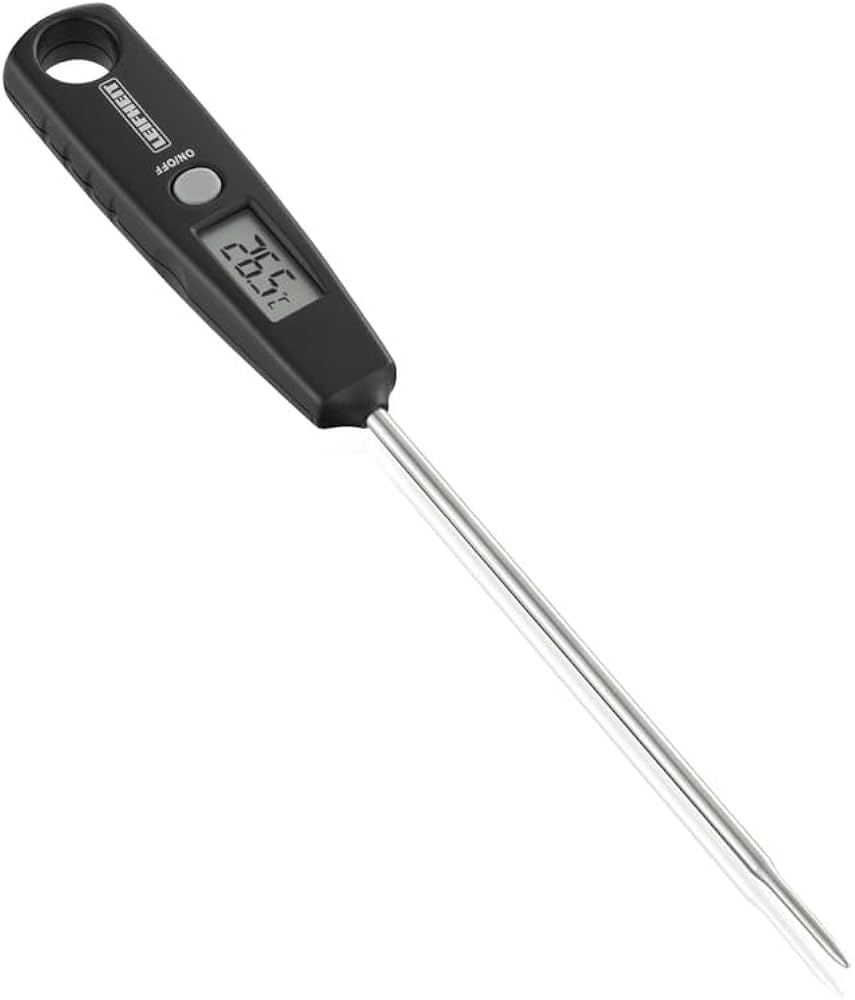
When it comes to cooking, accuracy is key. A good thermometer can help you achieve perfectly cooked meals every time. But with so many options available, how do you choose the right one? In this article, we’ll explore the different types of thermometers, their features, and what to look for when making your selection.
What is a Cooking Thermometer?
A cooking thermometer is an essential tool for any home cook or professional chef. Its primary function is to measure the internal temperature of food as it cooks, ensuring that it reaches a safe minimum internal temperature to prevent foodborne illness.
Where Can You Buy a Cooking Thermometer?
Cooking thermometers are widely available at various retailers, both online and in-store. Some popular options include:
- Home goods stores like IKEA
- Specialty cooking stores
- Online marketplaces like Amazon
You can also find thermometers at your local supermarket or department store.
Types of Cooking Thermometers
There are several types of thermometers available, each with its unique features and benefits. Here are some of the most common types:
- Analog Thermometers: These traditional thermometers use a dial to display temperature readings.
- Digital Thermometers: These modern thermometers use LED displays to show temperature readings in real-time.
- Infrared (IR) Thermometers: These thermometers use IR sensors to measure the surface temperature of objects, making them ideal for checking meat doneness.
Analog vs. Digital Thermometers
When choosing between analog and digital thermometers, consider the following factors:
- Accuracy: Digital thermometers are generally more accurate than analog thermometers.
- Ease of use: Digital thermometers often have easier-to-read displays and more intuitive interfaces.
- Cost: Analog thermometers can be more affordable than digital thermometers.
Infrared Thermometers
Infrared thermometers are a great option for checking meat doneness. Here’s why:
- Speed: IR thermometers can measure temperature quickly, making them ideal for high-volume cooking operations.
- Ease of use: IR thermometers often come with built-in probes and easy-to-use interfaces.
- Accuracy: IR thermometers are generally more accurate than traditional thermometers.
Things to Consider When Choosing a Cooking Thermometer
Before making your selection, consider the following factors:
- Temperature range: Ensure the thermometer can measure temperatures within the desired range (e.g., 32°F – 500°F).
- Accuracy: Look for thermometers with high accuracy ratings (±1-2°F) to ensure reliable results.
- Ease of use: Choose a thermometer with an intuitive interface and easy-to-read display.
Comparison of Popular Cooking Thermometers
Here’s a comparison of some popular cooking thermometers:
| Thermometer | Price Range | Temperature Range | Accuracy |
|---|---|---|---|
| TFA Model Classico | $10-$30 | 20°F – 300°F | ±2°F |
| Digiflex Digital Thermometer | $15-$40 | -50°C – 300°C | ±1°F |
| Infrared Thermometer (IR) | $25-$100 | 32°F – 550°C | ±1°F |
Tips for Choosing the Right Cooking Thermometer
Here are some additional tips to help you choose the right cooking thermometer:
- Consider your specific needs: If you’re a frequent griller, an infrared thermometer may be the best option. If you prefer baking, a digital thermometer with precise temperature control may be better suited for your needs.
- Think about durability and maintenance: Some thermometers are more durable than others, so consider how often you’ll be using it and whether it’s easy to clean and maintain.
- Read reviews and do your research: Look up reviews from other users to get a sense of how well a particular thermometer performs in real-world cooking scenarios.
Common Mistakes to Avoid When Choosing a Cooking Thermometer
Here are some common mistakes to avoid when choosing a cooking thermometer:
- Not considering the temperature range: Make sure the thermometer can measure temperatures within your desired range.
- Neglecting accuracy: Choose a thermometer with high accuracy ratings to ensure reliable results.
- Ignoring ease of use: Opt for a thermometer with an intuitive interface and easy-to-read display.
Conclusion
Choosing the right cooking thermometer can make a big difference in your cooking experience. By considering factors like accuracy, ease of use, and temperature range, you can find the perfect thermometer for your needs.
By following these tips, comparing different options, and avoiding common mistakes, you’ll be well on your way to selecting the best cooking thermometer for your kitchen.
Frequently Asked Questions (FAQs)
Here are some frequently asked questions about cooking thermometers:
- What is the most accurate type of thermometer?
- Infrared thermometers are generally more accurate than traditional thermometers.
- How do I choose the right thermometer for my needs?
- Consider factors like temperature range, accuracy, and ease of use when selecting a thermometer.
-
Can I use a cooking thermometer to measure temperatures in other applications?
- Yes, some thermometers can be used for other purposes, such as measuring water or oil temperatures.
-
How often should I calibrate my thermometer?
- Calibrate your thermometer regularly to ensure accurate readings.
-
Can I use a digital thermometer with an analog display?
- Yes, some digital thermometers come with analog displays.
-
What is the difference between a stainless steel and aluminum thermometer?
- Stainless steel thermometers are more durable and resistant to corrosion than aluminum thermometers.
-
How do I store my thermometer when not in use?
- Store your thermometer in a cool, dry place away from direct sunlight.
-
Can I use a cooking thermometer with a probe?
- Yes, some thermometers come with built-in probes for easier measurement.
By answering these FAQs, you can better understand the benefits and limitations of different types of thermometers and make informed decisions when selecting the right one for your needs.