
Introduction
The terms “green diesel” and “biodiesel” may sound like a green light for the future of fuels, but let’s not get too caught up in the hype. While they do offer some benefits, there are also some challenges to consider. In this article, we’ll delve into the world of green diesel and biodiesel, exploring their history, production process, advantages, disadvantages, and potential impact on our environment.
What is Green Diesel?
Green diesel, also known as HVO (Hydrotreated Vegetable Oil), is a new type of fuel produced by Eni at its Porto Marghera facility in Venice. It’s made from vegetable oils, such as palm oil, and has been 10 years in the making. This innovative process involves hydrogenating these oils to create a clean-burning fuel that meets strict emissions standards.
The Production Process
Green diesel is produced using a patented process called Ecofining, which involves complete hydrogenation of vegetable oils. The resulting fuel is a blend of various vegetable oils, including palm oil, animal fats, and lignocellulosic materials. This diverse range of feedstocks ensures that the quality of green diesel remains consistent.
How is Green Diesel Made?
The production process begins with the extraction of vegetable oils from non-food crops such as waste biomass or food industry by-products. These oils are then mixed with hydrogen and heated under high pressure to create a mixture called hydrogenated vegetable oil (HVO). The resulting fuel is a clear, colorless liquid that has a similar density to traditional diesel.
Advantages of Green Diesel
Green diesel has several advantages over traditional diesel fuel:
- It reduces greenhouse gas emissions by at least 5%
- It improves engine efficiency and extends its lifespan
- It produces fewer particulate emissions, making it a cleaner-burning fuel
- It is compatible with existing engines and equipment
What is Biodiesel?
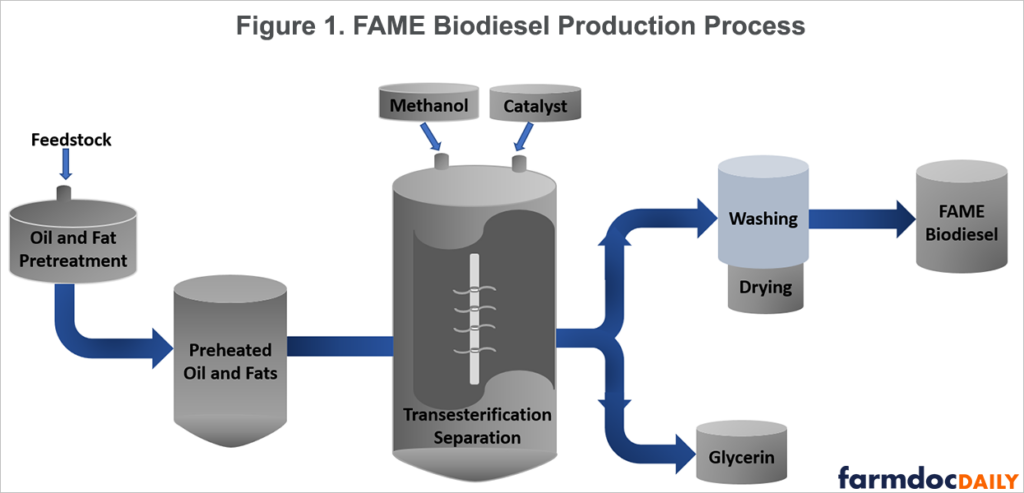
Biodiesel is a renewable energy source produced from organic matter such as vegetable oils and animal fats. The production process involves transesterification, which converts the oil into a fuel that can be used in diesel engines.
The Production Process of Biodiesel
The production process of biodiesel involves several steps:
- Feedstock collection: Vegetable oils and animal fats are collected from various sources such as food waste, agricultural products, and non-food biomass.
- Oil extraction: The feedstocks are extracted using a solvent or mechanical process to obtain the vegetable oil.
- Hydrogenation: The extracted oil is then mixed with hydrogen and heated under high pressure to create a mixture called biodiesel.
Advantages of Biodiesel
Biodiesel has several advantages:
- It reduces greenhouse gas emissions by up to 80%
- It is a renewable energy source
- It is biodegradable and non-toxic
However, biodiesel also has some disadvantages:
- It can be expensive to produce
- Its availability is limited in certain regions
- It may not be compatible with all engines
Challenges Facing Green Diesel
While green diesel and biodiesel offer several benefits, there are still challenges facing their widespread adoption.
- Scalability: The production of green diesel and biodiesel must meet the demand for fuels in large quantities. To achieve this, new facilities need to be built or existing ones expanded.
- Cost: The cost of producing green diesel and biodiesel is currently higher than traditional fuels, making it less competitive in some markets.
- Infrastructure: The infrastructure supporting the distribution and sale of green diesel and biodiesel needs to be developed.
Conclusion
Green diesel and biodiesel are innovative solutions that can help reduce our reliance on fossil fuels. However, their adoption will require significant investment in production capacity, infrastructure, and education about their benefits. By understanding the history, production process, advantages, disadvantages, and potential impact of green diesel and biodiesel, we can work towards a more sustainable future for transportation.


