
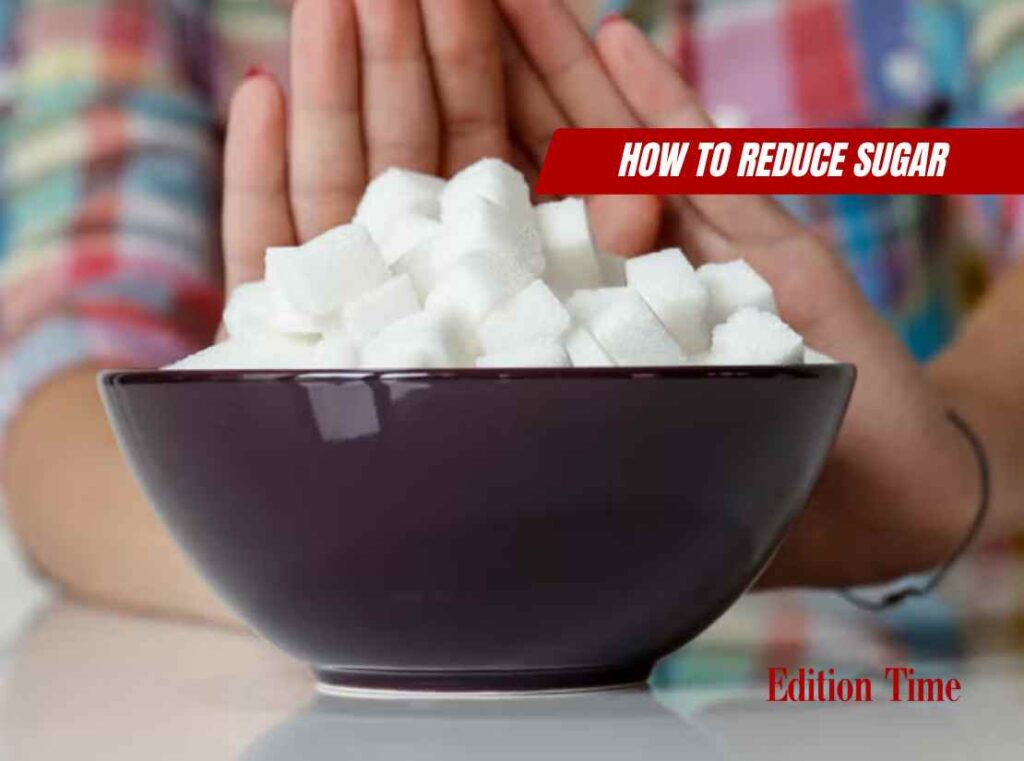
When I first decided to cut back on sugar, I was convinced I’d have to say goodbye to all the foods I loved. The thought of bland coffee, tasteless desserts, and meals that felt more like punishment than pleasure seemed overwhelming. But after months of experimenting with sugar reduction strategies and discovering countless ways to maintain flavor without the sweet stuff, I realized that cutting sugar doesn’t mean cutting taste.
The journey began when I learned some sobering statistics: it’s estimated that the average American consumes 17 teaspoons of sugar every day and around 57 pounds of added sugar each year. The Dietary Guidelines for Americans 2020-2025 recommend limiting added sugars to less than 10% of total calories daily. For most people, that means no more than 12 teaspoons of sugar per day – a goal that seemed impossible until I discovered the right strategies.
What surprised me most was learning that reducing sugar intake doesn’t require eliminating sweetness entirely.Instead, it’s about making smarter choices, using natural alternatives, and training your taste buds to appreciate more subtle flavors. The key is understanding that taste and sugar aren’t synonymous – flavor comes from so much more than just sweetness.
Understanding the Sugar Challenge
Where Hidden Sugars Lurk
Almost 90% of the added sugars in the average American’s diet come from ultra-processed foods, whereas only 8.7% come from foods prepared from scratch at home using whole foods. This revelation changed how I approached grocery shopping and meal planning entirely.
During my research, I discovered that most added sugars in the American diet come from sugary drinks — sodas, sports drinks, energy drinks, sweetened teas, and others. But what shocked me was finding sugar in unexpected places: a 1-tablespoon serving of ketchup contains about 1 teaspoon of sugar. That means ketchup is a whopping 29% sugar — more sugary than ice cream!
Sauces like ketchup, barbecue sauce, spaghetti sauce, and sweet chili sauce are commonplace in most kitchens, yet most people aren’t aware of their sugar content. Even foods marketed as healthy, like granola bars and fruit yogurt, often contain substantial amounts of added sugar.
The Science Behind Sugar Cravings
Understanding why we crave sugar helped me develop better strategies for managing those urges. The taste of sugar releases endorphins that calm and relax us, and offer a natural “high.” Additionally, sweets just taste good, and that preference gets reinforced when we reward ourselves with sweet treats.
Sugar is addicting. The more sugar you eat, the more you want. This creates a cycle that can be challenging to break, but not impossible. The good news is that your taste buds will adjust to lower sweetness levels in food as you reduce your added sugar intake.
Natural Sweetener Alternatives
Plant-Based Powerhouses
Stevia has become one of my go-to alternatives. It’s extracted from the leaves of a plant called Stevia rebaudiana and has been grown for its sweetness and medicinal purposes for centuries in South America. Stevia is very sweet but has virtually no calories. Both stevioside and rebaudioside A are hundreds of times sweeter than sugar, gram for gram.
Monk fruit sweetener is another excellent option. Derived from the monk fruit tree, it’s a natural, calorie-free sweetener that is up to 250 times sweeter than regular sugar. It supports weight loss and helps maintain stable blood sugar levels, making it a safe choice for diabetics and those on low-carb diets.
Whole Food Sweeteners
Dates have become my secret weapon for baking and smoothies. These sweet, chewy fruits are an excellent alternative to refined sugar and offer several health benefits. Unlike refined sugar and many other sweeteners, dates are a good source of nutrients, including fiber, potassium, magnesium, manganese, vitamin B6, and carotenoid and polyphenol antioxidants.
Pure maple syrup offers more than just sweetness. It has many nutritional benefits due to its antioxidant and cancer-fighting properties. Maple syrup contains a compound that slows down its blood sugar absorption, which may be beneficial for people with diabetes. However, darker syrup may have more nutritional benefits than lighter products.
Raw honey provides unique advantages beyond sweetness. Honey has a high moisture content and, especially when unprocessed, a varied nutritional profile containing minerals, vitamins, proteins and other valuable nutrients. It’s antimicrobial and its antioxidants fight inflammation.
Flavor Enhancement Strategies
Spices and Extracts: Your New Best Friends
One of my biggest discoveries was how spices and herbs can add natural sweetness without the need for extra sugar. Common replacements include cinnamon, nutmeg, cardamom, and vanilla. These can be a flavorsome addition to coffee, oatmeal, or yogurt.
Use flavor extracts to reduce some of the added sugar in recipes by using extracts, such as almond, vanilla, orange or lemon, to add some sweet scent without adding sugar. I’ve learned to enhance foods with warm spices instead of all the added sugar – ginger, allspice, cinnamon or nutmeg can transform a dish.
The Power of Aroma
Research has revealed fascinating insights about how our senses work together. Studies have shown that sweetness can be amplified by concurrently stimulating your other senses. Sniff cinnamon, vanilla, cherry, almond, caramel, pineapple, pomegranate, strawberry or banana before a meal or with your food. It can make you think what you’re eating is 5% to 25% sweeter than it would taste without one of these aromas.
This discovery revolutionized my morning routine. If you have cinnamon-vanilla oatmeal every day, and you gradually reduce the sugar, by the end it may be enough to have the cinnamon and vanilla without the sugar. The smell-taste interaction forms our perception of flavor, creating sweetness expectations even without actual sugar.
Practical Reduction Techniques
The Gradual Approach
Start by reducing the amount of sugar you add to your beverages or meals. You can slowly decrease the sugar amount over time to allow your taste buds to adjust. I recommend cutting the usual amount of sugar you add by half, then continue to decrease the sugar until your taste buds adjust.
This gradual method works because all of our experts recommend weaning yourself off sweetness slowly. Do you add sugar to your coffee or tea? Then use a little less tomorrow. A few days later, dial it back a bit more. After a while, you may perceive certain foods as being too sweet and avoid them or eat less of them.
Smart Substitutions
Instead of adding sugar to cereal or oatmeal, enjoy the sweetness from the natural sugars found in fruits. Try all the varieties: fresh, frozen, dried or canned fruits. Replace some of the sugar in baked goods with mashed bananas or other fruits, such as unsweetened applesauce, blended dates, cooked sweet potato or prunes.
Switch out the added sugar in a recipe with an equal amount of unsweetened applesauce. When baking with less added sugar, sprinkling a small amount of coarse sugar on top of muffins, quick breads and cookies delivers that extreme burst of sweetness and crunch with each bite, so you’re less likely to miss the sugar within.
Cooking Techniques That Enhance Natural Sweetness
Rather than steaming or sautéing vegetables and relying on dressings and sauces, dress them lightly with olive oil and pop them in a 450°F oven. Roasting caramelizes the natural sugars and makes them taste sweeter and more intense. This technique has become one of my favorite ways to make vegetables more appealing without any added sweeteners.
Beverage Strategies
Rethinking Your Drinks
By eliminating even one sugary beverage a day and instead sipping water with a squeeze of lime or orange for flavor, you can dramatically reduce your sugar intake. Sweetened beverages are the single largest source of added sugar in the American diet, making this one of the most impactful changes you can make.
Replace soda and juice with healthier options like low-fat milk, carbonated water, or unsweetened iced tea.Water with some added flavoring from sliced lemons, cucumbers or mint is a great option, too. You could also try drinking seltzer in fun flavors or infusing your water with fresh fruit.
Creative Drink Solutions
To increase the palatability of water, flavor it with a splash of fruit juice or a few squeezes of lemon or lime and then add a natural sweetener to sweeten. Some people find that drinking carbonated beverages is satisfying and quenches their desire for a sweet taste.
I’ve discovered that herbal teas offer natural sweetness and complex flavors without any added sugars. Flavors like naturally sweet fennel, licorice root, or cinnamon bark can satisfy sweet cravings while providing additional health benefits.
Meal Planning for Sugar Reduction
Whole Foods Focus
Opt for whole foods like fruits, vegetables, whole grains, and lean proteins, which are naturally lower in added sugars. This approach helps you maintain a balanced diet while reducing sugar intake. Try to cook from scratch when possible, so you can avoid added sugars.
Load up on whole foods such as fruits, vegetables, whole grains, dairy products, lean proteins, seafood, nuts and seeds. You don’t have to cook elaborate meals – simple preparations like marinated meats and roasted vegetables will give you delicious results.
Smart Snacking
When you’re hungry, you’re more likely to reach for a sweet treat. Instead, keep your body fueled with a consistent supply of nutrient-dense foods. At meal times, aim to fill half of your plate with fruits and vegetables. Snack on whole fruits, cubes of cheese, or bits of lean protein.
Stock up on foods like nuts, seeds, and dried fruits for when sugar cravings hit. You’ll get fiber and nutrients along with some sweetness. Don’t snack on prepackaged cookies or granola bars; instead, wrap a peeled banana in a whole-wheat tortilla.
Managing Cravings and Social Situations
Understanding Your Triggers
Many people turn to sweet foods when they’re stressed, depressed, or angry. But food doesn’t solve emotional issues. Consider whether emotions are involved in your sugar cravings and whether you need help to find other solutions to those emotional problems.
Eating every 3 to 5 hours can help keep blood sugar stable and help you avoid irrational eating behavior. Choose protein, fiber-rich foods like whole grains and produce to maintain stable energy levels throughout the day.
Social and Special Occasions
It’s okay to treat yourself to a sweet item every so often. For example, treat yourself to an ice cream on a Saturday night. Think of it as a real treat for sticking to a healthier diet throughout the week. You can also look to reduce the size of your portion or choose quality over quantity.
If you need a sugar splurge, pick a wonderful, decadent sugary food, but keep it small. Choose a small dark chocolate truffle instead of a king-sized candy bar, then savor every bite slowly. Don’t swear off favorites – you’ll only come back for greater portions.
Reading Labels and Shopping Smart
Decoding Food Labels
Look for condiments and sauces labeled “no added sugar” to cut back on the hidden sugars in these products. Compare Nutrition Food labels and choose products with the lowest amounts of added sugars. Added sugars can be identified in the ingredients list.
Much of the sugar in the American diet is found in processed and sweetened pre-made food and beverages.When you start looking, you’ll realize all the places added sugar is lurking, and then can look for natural alternatives.
Making Your Own
If you really want to decrease the sugar in your diet, try making homemade versions of prepackaged foods, including spaghetti sauce and salad dressing. There are hundreds of recipes available online! Cooking at home is one of the most effective ways to reduce your sugar intake.
When baking, you can typically cut the amount of sugar by one-third without affecting the taste. This simple adjustment can significantly reduce your sugar intake without sacrificing the foods you love.
Building Long-term Success
The Mindset Shift
Challenge yourself — your foods and beverages don’t always need to taste sweet. This mindset has been transformative for me. Instead of expecting every meal and drink to provide sweetness, I’ve learned to appreciate other flavors: umami, sourness, bitterness, and complex spice blends.
A life without any sugar is a life we don’t want to live. And thankfully, experts agree you don’t need to eliminate it entirely from your diet. The most nutritious diet, if it’s not palatable, will have no health benefit — because people won’t eat it.
Flexibility and Balance
You may need more than one strategy to thwart sugar cravings. One week you may find success with one tactic, and another week calls for an alternative approach. What’s important is to have a ‘bag of tricks’ to try.
Learn to incorporate small amounts in the diet but concentrate on filling your stomach with less sugary and healthier options. This balanced approach ensures sustainability while still achieving your health goals.
The Sweet Rewards of Reduced Sugar
Health Benefits You’ll Notice
Reducing sugar intake and eating a healthful diet may help people lose weight and prevent obesity, have clearer skin, and prevent mood shifts. The benefits extend far beyond weight management to include stable energy levels, better sleep, and improved overall well-being.
Too much added sugar can lead to health problems including high blood sugar, insulin resistance, metabolic syndrome, dental issues such as cavities, increased triglycerides, obesity and type 2 diabetes. By reducing sugar intake, you’re investing in your long-term health.
Taste Bud Transformation
What amazes me most about this journey is how my taste preferences have genuinely changed. Foods that once seemed bland now burst with flavor. I notice subtle sweetness in vegetables, appreciate the complexity of spices, and find genuine satisfaction in simpler flavors.
Your taste buds will adjust to lower sweetness levels in food as you reduce your added sugar intake. This isn’t just theory – it’s a real transformation that happens gradually but powerfully.
The journey to reduce sugar while maintaining taste isn’t about deprivation; it’s about discovery. You’ll uncover new flavors, develop a more sophisticated palate, and realize that some of life’s greatest pleasures come not from sweetness, but from the rich, complex world of natural flavors waiting to be explored.



