
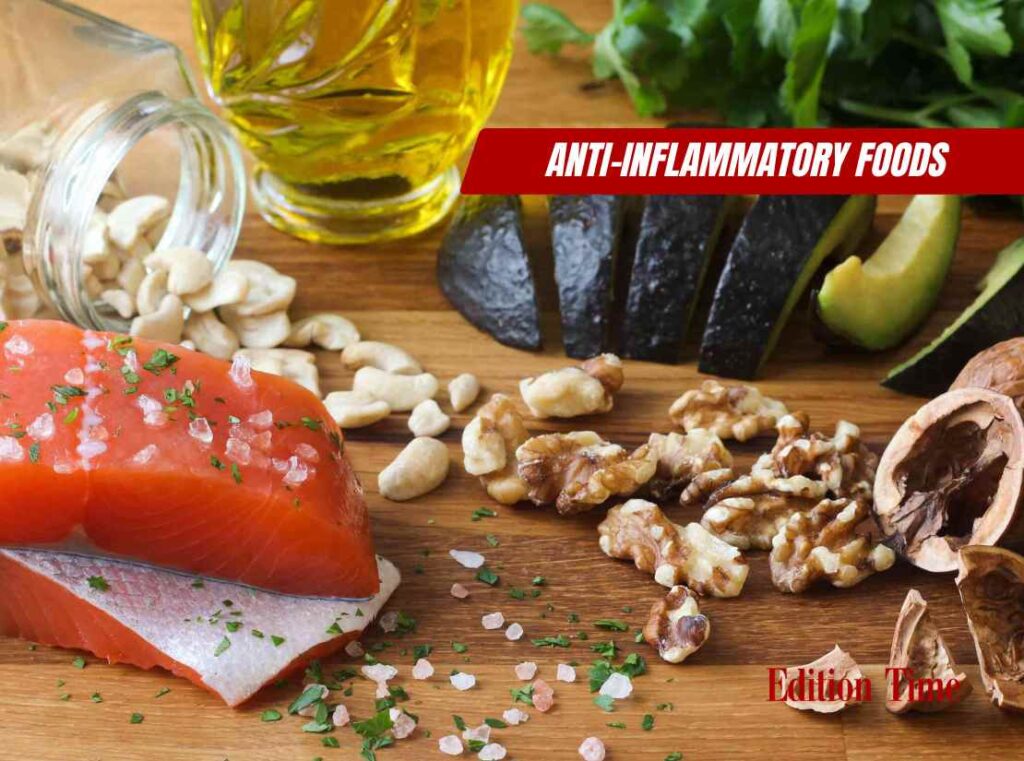
When I first started exploring the connection between food and health, I was skeptical about claims that what we eat could significantly impact inflammation in our bodies. But after interviewing nutritionists, following emerging research, and witnessing firsthand how dietary changes transformed the lives of people I interviewed, I became a true believer in the power of anti-inflammatory foods.
The concept is elegantly simple yet profoundly impactful: One of the most powerful tools to combat inflammation comes not from the pharmacy, but from the grocery store. Many experimental studies have shown that components of foods or beverages may have anti-inflammatory effects, offering us a natural approach to managing our health.
Understanding inflammation is crucial here. While acute inflammation helps our bodies heal from injuries and fight infections, chronic inflammation can persist day in and day out, becoming our enemy rather than our protector. Many major diseases that plague us — including cancer, heart disease, diabetes, arthritis, depression, and Alzheimer’s — have been linked to chronic inflammation.
Understanding Anti-Inflammatory Foods
What Makes Foods Anti-Inflammatory
Anti-inflammatory foods contain specific compounds that help reduce inflammation markers in our bodies. These foods are typically rich in antioxidants, polyphenols, omega-3 fatty acids, and fiber—all components that work together to combat inflammatory processes.
During my research, I discovered that anti-inflammatory diets are based on a holistic life approach with a dietary focus on whole foods that are biodiverse and not overly processed. The beauty of this approach lies in its accessibility—these aren’t exotic superfoods but everyday ingredients available in most grocery stores.
Studies have also associated nuts with reduced markers of inflammation and a lower risk of cardiovascular disease and diabetes. Coffee, which contains polyphenols and other anti-inflammatory compounds, may protect against inflammation, as well. This means your morning cup of coffee might actually be contributing to your health goals!
The Science Behind Food and Inflammation
Research consistently supports the connection between diet and inflammation levels. Choose the right anti-inflammatory foods, and you may be able to reduce your risk of illness. Consistently pick the wrong ones, and you could accelerate the inflammatory disease process.
What particularly impressed me during my investigation was learning that some of the foods that have been associated with an increased risk for chronic diseases such as type 2 diabetes and heart disease are also associated with excess inflammation. This creates a clear pathway for understanding how our food choices directly impact our long-term health.
Top Anti-Inflammatory Foods to Include in Your Diet
Fatty Fish: Ocean’s Anti-Inflammatory Powerhouse
Fatty fish stands out as one of the most potent anti-inflammatory foods available. One form of these powerful inflammation fighters is found in fatty fish such as salmon, herring, mackerel, sardines, tuna, striped bass and anchovies. You can get the benefit from eating the fish or by taking fish oil supplements.
Your body metabolizes these fatty acids into compounds called resolvins and protectins, which have anti-inflammatory effects. Studies have found that people consuming salmon or EPA and DHA supplements experienced reductions in the inflammatory marker C-reactive protein (CRP).
I’ve made it a personal goal to include fatty fish in my meal planning at least twice a week, and I’ve found that salmon and sardines are particularly versatile and delicious options.
Colorful Fruits and Vegetables: Nature’s Inflammation Fighters
Berries deserve special recognition for their anti-inflammatory properties. Berries contain antioxidants called anthocyanins. These compounds have anti-inflammatory effects that may reduce your disease risk. A 2018 review of research suggests that phytochemicals found in berries may help delay cancer development and progression.
Leafy greens and cruciferous vegetables also pack remarkable anti-inflammatory power. Broccoli is rich in sulforaphane, an antioxidant that decreases inflammation by reducing your levels of cytokines and nuclear factor kappa B (NF-κB), which are molecules that drive inflammation in your body.
Nuts, Seeds, and Healthy Fats
Nuts and seeds provide both anti-inflammatory omega-3 fatty acids and vitamin E. Vegetarians and vegans have options, too. Another form of omega-3 is plant based. Eating nuts and seeds and cooking with canola oil can supply these nutrients and vitamin E, another inflammation fighter.
Extra virgin olive oil deserves particular mention as one of the healthiest fats you can eat. It’s rich in monounsaturated fats and a staple in the Mediterranean diet, which provides numerous health benefits. Research suggests that following a Mediterranean diet and supplementing with extra virgin olive oil can significantly decrease inflammatory markers.
Herbs and Spices: Small Additions, Big Impact
Turmeric contains curcumin, one of the most studied anti-inflammatory compounds. In one study, people with metabolic syndrome consumed 1 gram of curcumin daily combined with piperine from black pepper. They experienced a significant decrease in the inflammatory marker CRP.
Ginger, cinnamon, and garlic also offer anti-inflammatory benefits. To these, many people add herbs and spices like cinnamon, ginger, and turmeric. There are a few studies that suggest modest benefits, and incorporating these flavorful additions makes anti-inflammatory eating more enjoyable.
Foods to Limit or Avoid
Pro-Inflammatory Foods to Minimize
Understanding which foods promote inflammation is equally important. Pro-inflammatory foods include fried foods, sodas, refined carbohydrates, and red meat. Not surprisingly, the same foods on an inflammation diet are generally considered bad for our health, including sodas and refined carbohydrates, as well as red meat and processed meats.
Processed foods particularly deserve attention because they often contain hidden inflammatory ingredients. Inflammation-promoting foods include white breads, cereals, white pasta, and other products made with refined flours, as well as white rice. “White flour leads directly to a pro-inflammatory state,” according to Harvard research.
Hidden Sources of Inflammation
Trans fats remain among the most inflammatory substances in our food supply. Trans fats, found in margarine, microwave popcorn, refrigerated biscuits and dough, and nondairy coffee creamers should be avoided entirely.
Added sugars can be particularly sneaky. By some estimates, there are over 50 names for added sugar in prepared commercial foods, such as “cane crystals” and “crystalized cane juice,” syrups and many ingredient names that ends in “ose” (chemical shorthand for sugar). Reading food labels is important for identifying these hidden inflammatory triggers.
Practical Ways to Use Anti-Inflammatory Foods
Building Anti-Inflammatory Meals
Meal planning with anti-inflammatory foods doesn’t require complex recipes or exotic ingredients. To fight inflammation, go for whole, unprocessed foods with no added sugar: fruits, vegetables, whole grains, legumes (beans, lentils), fish, poultry, nuts, seeds, a little bit of low-fat dairy, and olive oil.
For practical meal construction, I follow this simple approach: Fill half your plate with colorful vegetables, one of the remaining quarters with whole grains and the other quarter with a lean protein. This creates a naturally anti-inflammatory meal template that’s easy to follow.
Smart Cooking Methods
Cooking techniques matter when maintaining anti-inflammatory benefits. When you want to reduce inflammation, baking, steaming or fast stir-frying are preferable to deep frying or grilling. Cooking meat, especially red meat, on the grill creates compounds associated with cancer.
Microwaving is actually healthier than frying or grilling at high heat. Microwaving cooks and heats by activating water molecules, and it is actually healthier than frying or grilling at high heat. This practical tip helps when you’re short on time but want to maintain healthy cooking practices.
Weekly Meal Planning Strategies
Meal prep makes anti-inflammatory eating sustainable long-term. These ideas can help you start building meals with anti-inflammatory foods: Start the day with oatmeal topped with berries, an apple or a fruit smoothie. For lunch, toss together a salad of dark greens, beans, and colorful fruit and vegetables then sprinkle with nuts or seeds.
I’ve found that preparing components in advance—like cooking quinoa, washing and chopping vegetables, and preparing simple dressings—makes weekday meal assembly much easier.
Anti-Inflammatory Diet Patterns
The Mediterranean Diet Model
The Mediterranean diet represents the gold standard for anti-inflammatory eating. In terms of well-known diets, the Mediterranean diet may be the most beneficial in helping people get inflammation under control. It emphasizes omega-3s, vitamin C, polyphenols, fiber-rich foods and other known inflammation fighters.
This traditional eating pattern includes plenty of fruits, vegetables, whole grains, olive oil and plant-based proteins while keeping red meat to a minimum. Research suggests extra virgin olive oil may reduce the risk of heart disease, brain cancer, obesity, and other serious health conditions.
Other Evidence-Based Approaches
The DASH diet also follows anti-inflammatory principles. The Dietary Approaches to Stop Hypertension (DASH) diet was designed to help people lower their blood pressure by avoiding foods high in salt. However, the diet’s general guidelines follow an anti-inflammatory eating plan emphasizing fresh, whole foods and avoiding processed and sugary foods.
Traditional Okinawan, Nordic, or Mexican diets share similar core foundations. These diets share similar core foundations and recommendations. They are components of a holistic lifestyle approach that includes regular physical activity, socialization, adequate rest, and a consumable diet that is biodiverse, fresh, seasonal, and local to the region.
Creating Your Anti-Inflammatory Kitchen
Smart Shopping Strategies
Building an anti-inflammatory grocery list starts with focusing on the perimeter of the store where fresh, whole foods are typically located. Fresh, simple ingredients are best since overprocessing may significantly change the nutritional content of foods.
When shopping, I prioritize: water, herbal and green teas, and coffee for beverages; citrus fruits such as oranges, grapefruit and pomelos; and a rainbow of vegetables including dark leafy greens, colorful bell peppers, and cruciferous vegetables.
Reading Labels Effectively
Label reading becomes crucial for avoiding hidden inflammatory ingredients. Any food that lists partially hydrogenated oils as an ingredient should be avoided since these are trans fats. Similarly, checking ingredient lists for the many aliases of added sugar helps identify potentially problematic foods.
Understanding that many prepared foods contain hidden sugar, even in seemingly savory items, has changed how I approach grocery shopping. When in doubt, choosing whole, unprocessed foods eliminates the guesswork.
Making the Transition Sustainable
Starting Gradually
Small changes create lasting habits more effectively than dramatic overhauls. Start by slowly making changes so that these become more of a lifestyle shift rather than ‘going on a diet.’ Try to eat fewer foods that come from packages and more that come from the ground.
For those who want to start gradually, one strategy is substitution: finding alternatives to foods that cause inflammation. For example, replacing refined grains with whole grains, or choosing olive oil instead of butter for cooking.
Overcoming Common Challenges
Time constraints often present the biggest obstacle to anti-inflammatory eating. It can seem challenging at first to eat for lower inflammation with so many inflammatory foods commercially available, but over time, small changes can turn into lasting habits.
I’ve learned that batch cooking grains and proteins on weekends, pre-cutting vegetables, and keeping anti-inflammatory snacks readily available makes healthy choices more convenient during busy weekdays.
Long-term Success Strategies
Consistency rather than perfection leads to sustainable results. While no one food reduces inflammation, building a healthy, holistic dietary pattern can help lower your risk of inflammatory disease and transform your health.
The key is viewing anti-inflammatory eating as a long-term lifestyle approach rather than a temporary intervention. When most meals are prepared from scratch, you’re already on the right direction towards following an anti-inflammatory diet.
Beyond Diet: Supporting Your Anti-Inflammatory Lifestyle
Physical activity and stress management complement dietary approaches to reducing inflammation. Food isn’t the only way to reduce inflammation in the body. Boost the results of what you eat by maintaining a healthy body weight, since weight loss is anti-inflammatory. Also, get 30 minutes of physical exercise each day and manage stress.
Research shows that following an anti-inflammatory routine may improve brain health, result in better sleep quality, reduce chronic pain and lower the risk of developing heart disease and type 2 diabetes. This holistic approach maximizes the benefits of your dietary changes.
The journey toward an anti-inflammatory lifestyle represents one of the most evidence-based approaches to supporting long-term health. By understanding which foods fight inflammation, how to prepare them, and how to make sustainable changes, we can harness the remarkable power of nutrition to support our body’s natural healing processes.



