
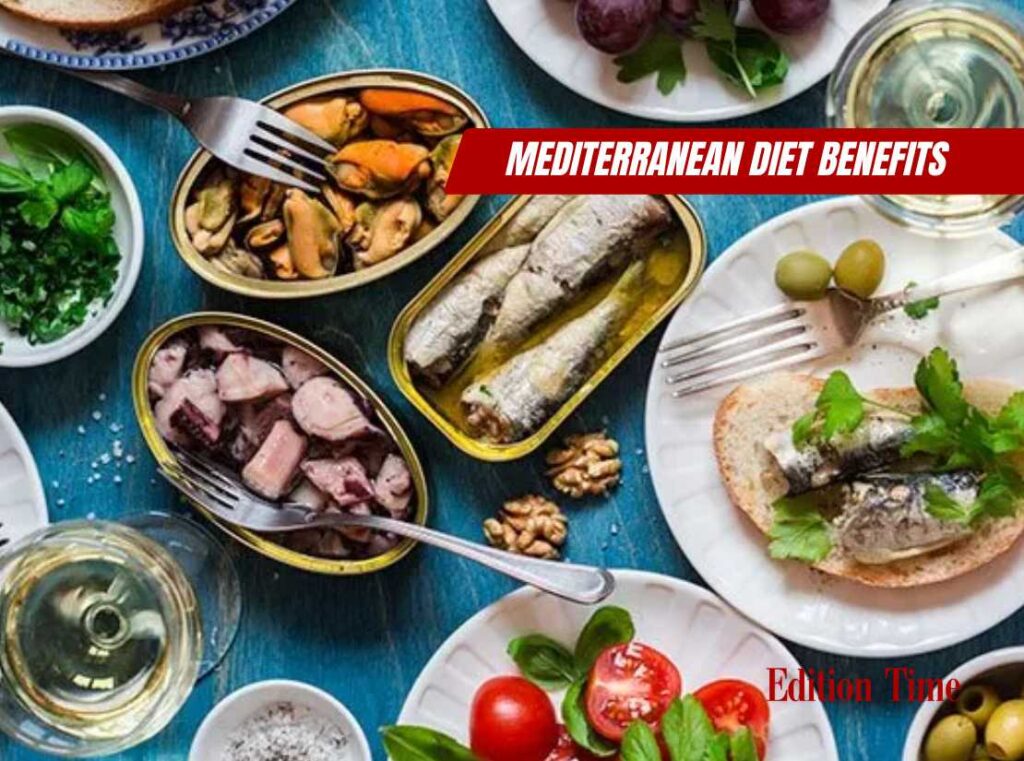
Year after year, the Mediterranean diet comes out on top in health rankings, and after spending time covering wellness trends and experiencing this lifestyle firsthand during my travels through Greece and Italy, I can understand why. This isn’t just another diet trend—it’s a way of eating that has sustained entire cultures for centuries and continues to deliver remarkable health benefits backed by modern science.
The Mediterranean diet isn’t really a “diet” at all. It doesn’t require cutting out food groups, counting calories or following strict guidelines. Instead, you’re adopting a lifestyle you can modify to fit your tastes and preferences. As someone who’s tried countless wellness approaches for both personal and professional reasons, I’ve found this flexibility to be the key to its success.
The Mediterranean Diet has many benefits, including: Lowering your risk of cardiovascular disease, including a heart attack or stroke. Supporting a body weight that’s healthy for you. Supporting healthy blood sugar levels, blood pressure and cholesterol. Lowering your risk of metabolic syndrome. But these benefits only scratch the surface of what this ancient eating pattern can do for your health.
Heart Health: The Gold Standard for Cardiovascular Protection
This style of eating can play a big role in preventing heart disease and stroke and reducing risk factors such as obesity, diabetes, high cholesterol and high blood pressure. The landmark PREDIMED study, involving 7,447 high-risk participants, found that following a Mediterranean diet significantly reduced major cardiovascular events over five years.
During my coverage of a cardiology conference last year, I spoke with researchers who emphasized that the Mediterranean diet’s heart benefits come from its unique combination of nutrients working together. There is some evidence that a Mediterranean diet rich in virgin olive oil may help the body remove excess cholesterol from arteries and keep blood vessels open.
Key heart-protective components include:
- Extra virgin olive oil as the primary fat source
- Omega-3 rich fish consumed twice weekly
- Nuts and seeds providing healthy fats
- Antioxidant-rich fruits and vegetables
- Moderate red wine consumption (optional)
What struck me most about Mediterranean cultures I’ve visited is how naturally they incorporate these foods into daily life. In a small Greek taverna, I watched the owner drizzle olive oil generously over fresh vegetables without any concern about “too much fat”—a perspective that challenges many Western diet mentalities.
Brain Health: Protecting Your Most Valuable Asset
Research shows that people who follow a Mediterranean diet have a significantly lower risk of Alzheimer’s disease. Another study found that this diet could delay the onset of Parkinson’s disease. Recent 2025 research has revealed even more specific mechanisms behind these brain-protective effects.
Adhering to a Mediterranean-style eating pattern may help Hispanic and Latino adults strengthen the tissue connections in their brains, supporting overall brain health and potentially contributing to better cognitive outcomes. The largest brain health benefit came from eating whole grains and fish.
The brain benefits extend beyond just preventing disease. Every one point increase in the Mediterranean diet score showed improvements in the brain’s white matter integrity, a gauge of how well the brain is organized and able to send communications through its neuronal network.
Brain-boosting foods to prioritize:
- Leafy greens like spinach and kale (6+ servings weekly)
- Berries, especially blueberries and strawberries
- Fatty fish rich in omega-3s
- Nuts, particularly walnuts
- Extra virgin olive oil
I’ve personally noticed improved mental clarity since incorporating more of these foods into my daily routine, particularly during demanding work periods when cognitive performance matters most.
Weight Management: Sustainable Without Restriction
Unlike restrictive diets that leave you feeling deprived, the Mediterranean approach supports healthy weight management through quality over quantity. Rich in fruits, vegetables, whole grains, and heart-healthy fats, the Mediterranean diet is both delicious and nutritious. It may help manage your weight, protect your heart, and prevent diabetes.
The beauty lies in the diet’s emphasis on satiety-promoting foods. The combination of healthy fats, fiber-rich vegetables, and lean proteins naturally regulates hunger without requiring calorie counting. During my time in coastal Italy, I observed locals eating generous portions but maintaining healthy weights—a testament to the power of food quality.
Weight management principles:
- High fiber content from vegetables and whole grains
- Healthy fats that promote satiation
- Moderate portions enjoyed mindfully
- Regular physical activity as part of lifestyle
- Social eating that prevents mindless consumption
Cancer Protection: Antioxidant Powerhouse
Newer research has found that the Mediterranean diet may also lower the risk of certain cancers, including breast, colon and lung cancer. The protective effects stem from the diet’s incredible antioxidant content and anti-inflammatory properties.
The variety of colorful fruits and vegetables provides a spectrum of phytonutrients that work synergistically to protect cells from damage. Olive oil contains powerful polyphenols, while herbs like oregano and rosemary add additional protective compounds.
Cancer-fighting components:
- Lycopene from tomatoes
- Flavonoids from berries and dark leafy greens
- Polyphenols from olive oil and red wine
- Selenium from nuts and fish
- Fiber that supports healthy gut bacteria
Diabetes Prevention and Management
A Mediterranean-style diet can help you achieve the American Heart Association’s recommendations for a healthy dietary pattern that emphasizes vegetables, fruits, whole grains, beans and legumes; includes low-fat or fat-free dairy products, fish, poultry, non-tropical vegetable oils and nuts; and limits added sugars, sugary beverages, sodium, highly processed foods, refined carbohydrates, saturated fats, and fatty or processed meats.
The diet’s emphasis on complex carbohydrates and healthy fats helps maintain stable blood sugar levels. Research shows it can reduce diabetes risk by up to 52% and improve insulin sensitivity in those already diagnosed.
Longevity: Living Longer, Better
Higher adherence to both diets was similarly associated with lower all-cause mortality and with comparable low environmental impact. This study highlights the advantages of the plant-based diets, with wider adoption of healthy and sustainable diets needed to prevent excess premature deaths worldwide.
The longevity benefits aren’t just about adding years to your life—they’re about adding life to your years. Mediterranean populations consistently show lower rates of age-related diseases and maintain cognitive function well into their golden years.
Inflammation Reduction: The Root of Many Benefits
Many of the Mediterranean diet’s benefits stem from its powerful anti-inflammatory effects. Favors foods high in fiber and antioxidants. These nutrients help reduce inflammation throughout your body. Fiber also helps keep waste moving through your large intestine and helps maintain healthy blood sugar levels. Antioxidants protect you against cancer by warding off free radicals.
Chronic inflammation underlies many modern diseases, from heart disease to arthritis. The Mediterranean diet’s emphasis on anti-inflammatory foods creates a protective environment in your body.
Getting Started: Your Practical Mediterranean Transition
There are no concrete rules for following the Mediterranean diet, but general guidelines can help you incorporate its principles into your daily routine. Here’s how to begin your transformation:
Week 1-2: Foundation Building
- Replace butter with extra virgin olive oil
- Add a serving of vegetables to each meal
- Include fish twice weekly
- Snack on nuts instead of processed foods
Week 3-4: Expanding Your Palette
- Experiment with Mediterranean herbs and spices
- Try new whole grains like quinoa and farro
- Incorporate more legumes into meals
- Begin enjoying meals without distractions
Month 2 and Beyond: Lifestyle Integration
- Shop at farmers markets for seasonal produce
- Cook more meals at home using fresh ingredients
- Share meals with family and friends when possible
- Practice mindful eating and appreciation for food
Sample Mediterranean Day:
Breakfast: Greek yogurt with berries, nuts, and a drizzle of honey Lunch: Chickpea salad with vegetables, feta, and olive oil dressing Dinner: Grilled salmon with roasted vegetables and quinoa Snack: Hummus with vegetable sticks or a small handful of almonds
During my reporting on Mediterranean cultures, I was struck by how food is viewed not just as fuel, but as a source of pleasure, connection, and celebration. The convivial nature of shared meals, the variety of flavors and the incorporation of seasonal and locally sourced ingredients contribute to an overall approach to wellbeing characterized by a focus on the social and cultural aspects of eating.
Beyond the Plate: The Mediterranean Lifestyle
The Mediterranean diet isn’t just about food—it’s about embracing a complete lifestyle philosophy. This includes regular physical activity, adequate sleep, stress management, and strong social connections. The health benefits we see in Mediterranean populations result from this holistic approach to living.
Think of a choir with many people singing. One voice alone might carry part of the tune, but you need all the voices to come together to achieve the full effect. Similarly, the Mediterranean Diet works by giving you an ideal blend of nutrients that harmonize to support your health.
The evidence is overwhelming: A substantial body of epidemiological and clinical evidence has linked adherence to this dietary pattern with a reduction in the risk of cognitive decline, Alzheimer’s disease and other neurodegenerative disorders. This isn’t just another wellness trend—it’s a scientifically validated approach to healthy living that has stood the test of time.
As I’ve incorporated more Mediterranean principles into my own life, I’ve experienced not just physical benefits, but a more joyful relationship with food. The emphasis on quality ingredients, shared meals, and mindful eating has transformed my approach to nutrition from restriction to celebration.
Whether you’re looking to improve heart health, protect your brain, manage weight, or simply feel better in your body, the Mediterranean diet offers a sustainable, enjoyable path forward. Start small, be consistent, and remember that every step toward this ancient wisdom is an investment in your long-term health and happiness.
About the Author
Sarah Coraline is a health and lifestyle journalist with over 10 years of experience covering wellness trends, nutrition research, and lifestyle medicine. Her work combines evidence-based reporting with personal insights from her travels throughout the Mediterranean region. Based in New York, she specializes in translating complex health research into practical, actionable advice. Follow her latest articles on editiontime.com and connect with her on social media for daily wellness inspiration.
Ready to transform your health with Mediterranean living? Share this article with friends who could benefit, and follow us on Instagram @editiontime for daily Mediterranean diet tips and recipe inspiration!



