
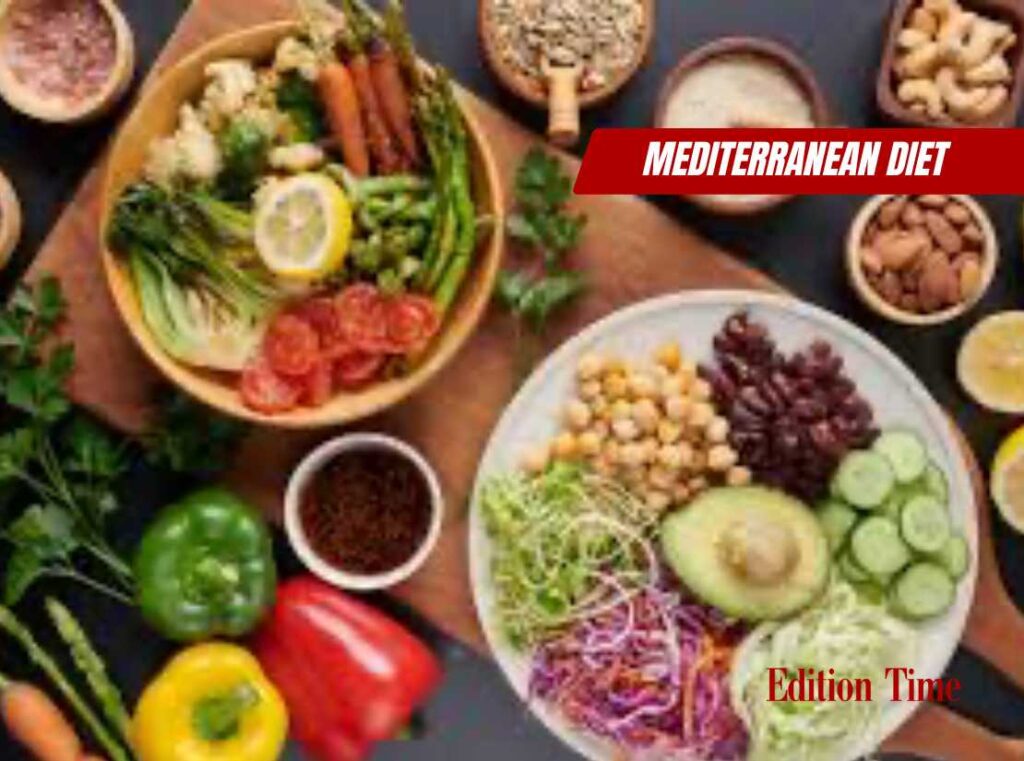
Discover the Mediterranean diet’s health benefits and learn how to adopt this sustainable lifestyle. Expert tips on foods, recipes, and wellness benefits for long-term health.
Two years ago, my relationship with food was complicated and stressful. I was caught in a cycle of restrictive diets followed by periods of guilt-driven overeating, constantly searching for the “perfect” eating plan that would solve all my health and weight concerns. Every new diet promised to be the answer, but none felt sustainable or enjoyable long-term.
Everything changed when I discovered the Mediterranean diet—though calling it a “diet” doesn’t really capture what it is. It’s more of a lifestyle approach to eating that’s been naturally practiced by people in Mediterranean regions for centuries, long before anyone thought to study or market it.
What drew me in initially was the promise of delicious food and wine as part of a healthy eating pattern. What kept me committed was how natural and sustainable it felt—I wasn’t restricting entire food groups or counting calories, but rather embracing a way of eating that felt both nourishing and enjoyable.
If you’re tired of restrictive diets that feel like punishment or temporary fixes, the Mediterranean approach might offer the sustainable, pleasurable relationship with food you’ve been seeking.
Understanding the Mediterranean Diet Philosophy
The Mediterranean diet isn’t a structured meal plan but rather a pattern of eating based on the traditional foods and cooking methods of countries bordering the Mediterranean Sea.
Dr. Walter Willett, a nutrition researcher at Harvard who has extensively studied the Mediterranean diet, explains that “this eating pattern represents one of the most well-researched dietary approaches, with decades of studies showing benefits for heart health, brain function, and longevity. It’s sustainable because it’s based on pleasure and cultural tradition rather than restriction.”
Origins and Cultural Context
The Mediterranean diet concept emerged from observations that people in Mediterranean countries had lower rates of heart disease despite consuming moderate amounts of fat.
Traditional Mediterranean eating evolved from geography, climate, and cultural practices rather than nutritional science, making it naturally balanced and sustainable.
The emphasis on fresh, seasonal, local foods reflects the agricultural patterns and food availability in Mediterranean regions.
Social aspects of eating including family meals, leisurely dining, and food as celebration are integral to the Mediterranean approach.
I learned that the Mediterranean diet isn’t just about individual foods but about the entire relationship with eating, cooking, and sharing meals.
Core Principles vs. Rigid Rules
Abundance rather than restriction characterizes the Mediterranean approach—it focuses on what to include rather than what to eliminate.
Flexibility and seasonality mean the specific foods vary based on what’s available and preferred in different regions and times of year.
Quality over quantity emphasizes choosing the best versions of foods rather than strict portion control.
Mindful eating practices include savoring meals, eating slowly, and appreciating food as nourishment and pleasure.
Key Components of Mediterranean Eating
Understanding the food categories and their roles helps you adopt Mediterranean eating principles while adapting them to your preferences and local food availability.
Foundation Foods (Daily Consumption)
Fruits and vegetables form the base of Mediterranean eating, with emphasis on variety, seasonality, and freshness.
Whole grains including bread, pasta, rice, and other grains provide energy and fiber while being enjoyable and satisfying.
Legumes like beans, lentils, and chickpeas offer protein, fiber, and versatility in both main dishes and sides.
Nuts and seeds provide healthy fats, protein, and satisfying crunch as snacks or meal components.
Olive oil serves as the primary added fat for cooking, dressing, and flavoring foods.
I build each meal around vegetables and whole grains, then add protein and healthy fats for a naturally balanced approach.
Regular Protein Sources (Several Times Weekly)
Fish and seafood are preferred protein sources, particularly fatty fish rich in omega-3 fatty acids.
Poultry provides lean protein and versatility in preparation methods.
Eggs offer complete protein and can be prepared in numerous ways to add variety to meals.
Dairy products like yogurt and cheese provide protein, calcium, and probiotics, typically consumed in moderate amounts.
Occasional Foods (Weekly or Special Occasions)
Red meat is consumed less frequently and in smaller portions compared to typical Western diets.
Sweets and desserts are enjoyed occasionally, often featuring fruit or nuts rather than processed sugars.
Processed foods are minimized in favor of fresh, whole ingredients prepared at home.
Beverages and Lifestyle Elements
Water is the primary beverage throughout the day, with emphasis on staying well-hydrated.
Red wine may be consumed in moderation with meals by those who choose to drink alcohol.
Herbal teas and coffee are enjoyed as part of social rituals and relaxation.
Physical activity is integrated into daily life through walking, gardening, and active hobbies.
Health Benefits of Mediterranean Eating
Extensive research has documented numerous health benefits associated with Mediterranean dietary patterns, making it one of the most scientifically-supported approaches to eating.
Cardiovascular Health
Heart disease risk reduction is one of the most well-established benefits, with studies showing 30% reduction in cardiovascular events.
Blood pressure improvements occur through the anti-inflammatory effects of Mediterranean foods and the emphasis on potassium-rich fruits and vegetables.
Cholesterol profile enhancement includes increased HDL (good) cholesterol and improved overall cholesterol ratios.
Reduced inflammation throughout the cardiovascular system supports long-term heart health.
I noticed improvements in my energy levels and overall sense of well-being that I later learned were likely related to cardiovascular benefits.
Brain Health and Cognitive Function
Alzheimer’s disease risk reduction has been observed in people following Mediterranean dietary patterns long-term.
Cognitive function preservation in aging adults appears to be supported by the anti-inflammatory and antioxidant effects of Mediterranean foods.
Depression risk reduction may be related to the omega-3 fatty acids and overall nutrient density of the diet.
Mental clarity and focus often improve with the stable blood sugar levels promoted by Mediterranean eating patterns.
Weight Management and Metabolism
Sustainable weight loss occurs naturally for many people without calorie counting or restriction, due to the satisfying nature of the foods.
Improved insulin sensitivity results from the emphasis on whole grains, legumes, and healthy fats rather than processed carbohydrates.
Reduced belly fat specifically has been observed in studies of Mediterranean diet adherence.
Metabolic flexibility improves as the body becomes efficient at using both carbohydrates and fats for energy.
Anti-Inflammatory Effects
Chronic inflammation reduction throughout the body supports overall health and disease prevention.
Joint health improvements may result from the anti-inflammatory compounds in olive oil, fish, and colorful vegetables.
Skin health benefits often include improved complexion and reduced signs of aging from antioxidant-rich foods.
Digestive health improves through the high fiber content and probiotic foods included in Mediterranean eating.
Practical Implementation Strategies
Successfully adopting Mediterranean eating requires practical strategies that fit your lifestyle, cooking skills, and food preferences.
Starting Your Transition
Begin with one Mediterranean meal per day rather than trying to overhaul your entire eating pattern immediately.
Focus on adding foods before restricting anything, making the transition feel abundant rather than limiting.
Experiment with olive oil as your primary cooking fat and salad dressing base.
Increase vegetable intake by adding extra vegetables to familiar dishes rather than completely changing what you eat.
I started by making one Mediterranean-inspired dinner per week and gradually expanded as I discovered recipes and ingredients I enjoyed.
Kitchen Setup and Ingredients
Stock pantry staples including olive oil, canned tomatoes, dried legumes, whole grains, and nuts.
Keep fresh herbs like basil, parsley, and oregano to add Mediterranean flavors to simple dishes.
Invest in quality olive oil since it’s such a central component of Mediterranean cooking and flavor.
Have frozen vegetables available for quick, nutritious additions to meals when fresh options aren’t available.
Meal Planning and Preparation
Plan around seasonal vegetables and what looks fresh and appealing at the market rather than rigid meal plans.
Batch cook grains and legumes on weekends to use throughout the week in various combinations.
Prepare simple sauces like basic tomato sauce or herb-infused olive oil that can transform basic ingredients.
Embrace simplicity in preparation methods—Mediterranean cooking often highlights ingredients rather than complicated techniques.
Social and Cultural Aspects
Share meals with others when possible, as the social component is an important part of the Mediterranean lifestyle.
Eat slowly and mindfully, savoring flavors and textures rather than rushing through meals.
Make cooking enjoyable by listening to music, involving family, or treating it as relaxation time.
Celebrate food as pleasure and nourishment rather than viewing it primarily as fuel or potential source of guilt.
Sample Mediterranean Meals and Ideas
These meal ideas demonstrate how Mediterranean principles can be applied to create satisfying, nutritious meals for various occasions.
Simple Breakfast Options
Greek yogurt with nuts and honey provides protein, healthy fats, and natural sweetness.
Whole grain toast with olive oil and tomato topped with herbs offers a simple, traditional combination.
Fruit and nut combinations like figs with almonds or berries with walnuts create portable, satisfying options.
Vegetable omelets using seasonal vegetables with herbs and a small amount of cheese.
I often start my day with yogurt topped with whatever nuts and fruits I have available, keeping it simple but satisfying.
Lunch Ideas
Large salads with mixed greens, vegetables, legumes, nuts, and olive oil-based dressing as complete meals.
Grain bowls combining quinoa or brown rice with roasted vegetables, beans, and tahini or olive oil dressing.
Simple soups featuring vegetables, legumes, and whole grains in flavorful broths.
Mediterranean wraps using whole grain bread with hummus, vegetables, and small amounts of cheese or fish.
Dinner Concepts
Fish with roasted vegetables seasoned with herbs and olive oil represents classic Mediterranean simplicity.
Pasta with vegetable-based sauces including plenty of vegetables and minimal meat or cheese.
Legume-based main dishes like lentil stews or bean salads that are filling and nutritious.
Grilled or roasted chicken with Mediterranean herbs served alongside seasonal vegetables.
Snack and Dessert Ideas
Fresh fruit is the most common Mediterranean dessert, sometimes paired with nuts or small amounts of cheese.
Nuts and dried fruits provide satisfying snacks that align with Mediterranean eating patterns.
Small portions of dark chocolate can satisfy sweet cravings while providing antioxidants.
Herbal teas offer flavorful, calorie-free options for evening relaxation.
Adapting Mediterranean Eating to Your Lifestyle
Successful Mediterranean eating doesn’t require living in the Mediterranean or completely changing your food culture—it’s about adapting principles to your situation.
Budget-Friendly Mediterranean Eating
Dried legumes and grains are among the most affordable protein and carbohydrate sources available.
Seasonal vegetables cost less and taste better when you buy what’s naturally available in your area.
Simple preparations mean you don’t need expensive ingredients or equipment to eat Mediterranean-style.
Home cooking is inherently more affordable than processed foods and allows control over ingredients and quality.
I found that Mediterranean eating actually reduced my food costs because I was buying fewer processed items and more basic ingredients.
Time-Saving Approaches
Batch cooking grains, legumes, and roasted vegetables on weekends provides quick meal assembly during busy weekdays.
Simple combinations of prepared ingredients can create satisfying meals without extensive cooking.
One-pan meals featuring protein, vegetables, and whole grains minimize preparation and cleanup time.
Leftover transformation turns yesterday’s roasted vegetables into today’s grain bowl or tomorrow’s soup.
Cultural Adaptations
Use local, seasonal ingredients that provide similar nutritional profiles to traditional Mediterranean foods.
Adapt familiar dishes by increasing vegetables, using olive oil, and adding legumes or whole grains.
Incorporate Mediterranean spices like oregano, basil, and garlic into your usual cooking methods.
Maintain your food traditions while incorporating Mediterranean principles rather than completely changing your cuisine.
Travel and Social Situations
Restaurant strategies include choosing grilled fish or chicken, requesting olive oil-based dressings, and loading up on vegetable sides.
Social gatherings can incorporate Mediterranean principles through salads, vegetable platters, and fruit-based desserts.
Travel planning involves packing nuts, fruits, and other Mediterranean-friendly snacks for healthy options.
Flexibility is key—occasional deviations don’t negate the overall benefits of Mediterranean eating patterns.
Common Misconceptions and Challenges
Understanding potential obstacles helps you navigate the transition to Mediterranean eating more successfully.
Addressing Weight Loss Expectations
Mediterranean eating promotes gradual, sustainable weight changes rather than rapid weight loss that characterizes restrictive diets.
Focus on health improvements like energy levels, sleep quality, and overall well-being rather than just scale weight.
Body composition changes may occur even when total weight remains stable, as Mediterranean eating supports muscle maintenance.
Long-term sustainability means changes happen slowly but are more likely to be permanent.
Managing Fat Intake Concerns
Healthy fats from olive oil and nuts have different effects on health than processed or saturated fats from other sources.
Total calorie balance matters more than fat percentage when it comes to weight management.
Satiety from healthy fats often leads to natural portion control and reduced cravings for processed foods.
Research consistently shows that Mediterranean dietary patterns support health despite higher fat intake than some other approaches.
Education about Mediterranean eating helps you explain your choices to family and friends who may be unfamiliar with the approach.
Flexibility in social situations allows you to participate fully while maintaining your overall eating pattern.
Focus on addition rather than restriction helps others see Mediterranean eating as positive rather than limiting.
Lead by example by sharing delicious Mediterranean meals rather than lecturing about health benefits.
Creating Your Mediterranean Lifestyle
True Mediterranean living extends beyond food to include attitudes toward meals, physical activity, and overall life balance.
Developing a Mediterranean Mindset
Pleasure in eating is not only acceptable but encouraged as part of a healthy relationship with food.
Seasonal awareness connects you to natural cycles and encourages variety in your eating pattern.
Simplicity in preparation values ingredient quality and natural flavors over complicated techniques.
Community and connection around meals create positive associations with eating and food.
Lifestyle Integration
Daily movement through walking, gardening, or other enjoyable activities supports the Mediterranean lifestyle approach.
Stress management through relaxation, social connection, and work-life balance complements healthy eating.
Adequate sleep supports the metabolic and psychological benefits of Mediterranean dietary patterns.
Mindful living includes being present during meals and appreciating simple pleasures.
I found that adopting Mediterranean eating naturally led to other lifestyle changes like cooking more, eating with others, and slowing down during meals.
Long-Term Sustainability
Gradual implementation allows your taste preferences and habits to adjust naturally over time.
Flexibility and forgiveness mean that imperfect adherence doesn’t derail your overall pattern.
Continuous learning about new foods, preparation methods, and recipes keeps the approach interesting and enjoyable.
Health monitoring through regular check-ups can demonstrate the positive effects of Mediterranean eating on measurable health markers.
The Mediterranean diet has transformed my relationship with food from one of restriction and guilt to one of abundance and pleasure. It’s taught me that healthy eating doesn’t have to be complicated, expensive, or joyless—it can be simple, satisfying, and sustainable.
The beauty of Mediterranean eating lies in its flexibility and focus on overall patterns rather than rigid rules. It’s an approach that honors both health and happiness, recognizing that the best diet is one you can maintain for life while truly enjoying.
Whether your goals include better health, weight management, or simply a more enjoyable relationship with food, the Mediterranean approach offers a time-tested, research-backed path that feels more like a celebration of good living than a restrictive diet plan.



