
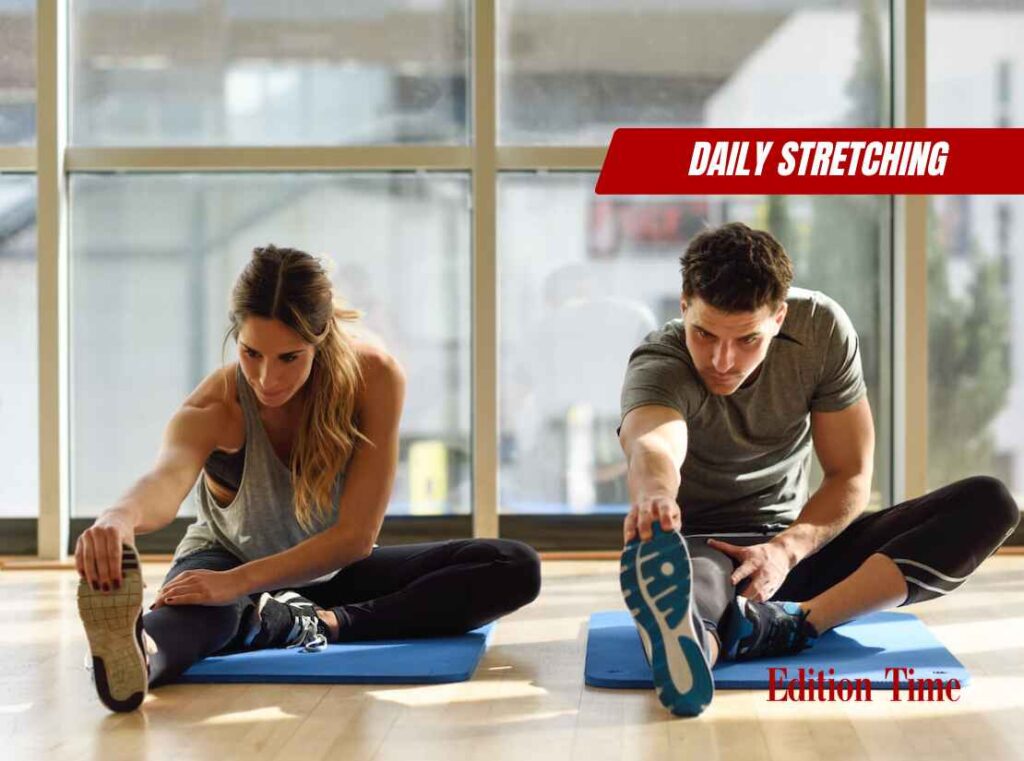
Discover effective daily stretching exercises to relieve muscle tension and pain. Learn gentle movements that improve flexibility, reduce stress, and enhance overall well-being in just minutes.
Three years ago, I thought muscle pain was just an inevitable part of adult life. My shoulders felt permanently glued to my ears, my lower back ached after sitting at a desk all day, and I’d wake up feeling like I’d wrestled with my mattress all night. I assumed this was normal until a physical therapist friend watched me struggle to reach something on a high shelf and casually mentioned that I had the flexibility of a wooden board.
That comment sparked a revelation: my chronic pain wasn’t from age or overuse—it was from complete neglect of my body’s need for movement and gentle stretching. What started as a desperate attempt to address constant discomfort has evolved into a daily practice that not only eliminated my pain but transformed how I feel in my own body.
The magic wasn’t in complex yoga poses or intense flexibility training—it was in simple, gentle movements done consistently. Just 10-15 minutes of daily stretching created changes I hadn’t experienced in years: pain-free mornings, improved posture, and a sense of ease in movement that I’d forgotten was possible.
If you’re living with muscle tension, stiffness, or the kind of chronic aches that seem to be woven into modern life, understanding how to stretch effectively and safely could provide relief that extends far beyond physical comfort.
Understanding Muscle Tension and Modern Life
Our bodies weren’t designed for the sedentary, repetitive-motion lifestyle that characterizes modern work and daily activities. Hours spent hunched over computers, looking down at phones, and sitting in cars create predictable patterns of muscle tension and imbalance.
Dr. Kelly Starrett, a physical therapist and movement specialist, explains that “most muscle pain isn’t from injury—it’s from tissues that have adapted to poor positions and limited movement patterns. The good news is that these adaptations can be reversed with consistent, appropriate stretching.”
How Muscle Tension Develops
When muscles remain in shortened positions for extended periods, they adapt by actually becoming shorter and tighter. This is why your hip flexors feel tight after sitting all day or your shoulders round forward after computer work.
Muscle tension also increases with stress as your nervous system triggers protective muscle contractions throughout your body. This mind-body connection means that emotional stress often manifests as physical tension.
Poor sleep compounds muscle tension because your body doesn’t get adequate time for muscle recovery and repair, leading to accumulated stiffness and discomfort.
I realized my worst tension patterns correlated directly with my most stressful work periods and longest computer sessions, creating a cycle where physical discomfort increased my stress levels.
The Cost of Chronic Tension
Persistent muscle tension affects more than just comfort—it impacts posture, movement efficiency, and overall energy levels. When muscles are constantly tight, they require more energy to perform basic functions.
Tension in one area creates compensatory patterns throughout your body. Tight hip flexors, for example, can contribute to lower back pain and affect how you walk and stand.
Chronic tension also restricts blood flow to affected muscles, reducing nutrient delivery and waste removal that are essential for healthy tissue function.
Benefits of Daily Stretching Practice
Regular stretching provides benefits that extend far beyond improved flexibility, affecting multiple systems in your body and contributing to overall wellness and vitality.
Physical Benefits
Improved circulation occurs immediately during stretching as blood flow increases to stretched muscles, delivering nutrients and removing metabolic waste products.
Enhanced posture develops naturally as tight muscles that pull your body out of alignment gradually lengthen and balance is restored between opposing muscle groups.
Better sleep quality often improves with regular stretching because physical tension that interferes with rest is reduced, and the relaxation response is activated.
Injury prevention increases significantly as flexible muscles and joints are less likely to be strained during daily activities or exercise.
I noticed improved sleep within just a few days of starting my stretching routine, and after several weeks, people started commenting that I looked taller and more confident.
Mental and Emotional Benefits
Stress reduction occurs both through the physical release of tension and the meditative quality of focused stretching that quiets mental chatter.
Body awareness increases as stretching requires attention to physical sensations, helping you notice and address tension before it becomes problematic.
Mood enhancement happens naturally as stretching triggers the release of endorphins and activates the parasympathetic nervous system’s relaxation response.
Mind-body connection strengthens as you learn to listen to your body’s signals and respond with appropriate movement and care.
Essential Daily Stretches for Common Problem Areas
These stretches target the areas where most people accumulate tension from modern lifestyle patterns. Each stretch can be modified for different flexibility levels and physical limitations.
Neck and Shoulder Release
Neck side stretch: Sit or stand tall and gently tilt your head to one side, bringing your ear toward your shoulder. Hold for 30 seconds each side while breathing deeply.
Shoulder blade squeeze: Pull your shoulder blades together while lifting your chest, hold for 5 seconds, then release. Repeat 10 times to counteract forward head posture.
Cross-body shoulder stretch: Bring one arm across your chest and gently pull it closer with the opposite hand. Hold for 30 seconds each side.
These stretches directly counteract the forward head and rounded shoulder posture that develops from computer work and phone use.
Hip Flexor and Lower Back Relief
Standing hip flexor stretch: Step one foot forward into a lunge position and gently push your hips forward while keeping your back straight. Hold for 30 seconds each side.
Seated spinal twist: Sit in a chair and gently rotate your torso to one side, using the chair back for support. Hold for 30 seconds each direction.
Knee-to-chest stretch: Lying on your back, pull one knee toward your chest while keeping the other leg extended. Hold for 30 seconds each leg.
Child’s pose: Kneel and sit back on your heels, then fold forward with arms extended in front of you, stretching your entire spine.
These stretches address the tight hip flexors and compressed spine that result from prolonged sitting.
Upper Back and Chest Opening
Doorway chest stretch: Place your forearm against a doorframe and step forward to stretch your chest and front shoulder. Hold for 30 seconds each arm.
Cat-cow stretch: On hands and knees, alternate between arching your back (cow) and rounding it (cat) to mobilize your entire spine.
Upper trap stretch: Tilt your head to one side while gently pulling the opposite shoulder down. Hold for 30 seconds each side.
I found these chest-opening stretches particularly beneficial for counteracting the hunched posture that had become my default position.
Creating an Effective Daily Routine
The key to benefiting from stretching is consistency rather than intensity. A brief daily routine provides more benefits than longer, sporadic sessions.
Morning Stretching Routine (5-10 minutes)
Start your day with gentle movements that wake up your body and prepare you for daily activities.
Begin with arm circles and gentle neck rolls to mobilize your upper body after hours of sleep stillness.
Include hip circles and gentle spinal twists to activate your core and prepare your lower body for movement.
End with a full-body stretch reaching your arms overhead and taking several deep breaths to energize your system.
My morning routine takes just 7 minutes but sets a positive tone for the entire day and prevents stiffness from accumulating.
Midday Reset (3-5 minutes)
Use lunch breaks or transition times to counteract the effects of prolonged sitting or repetitive activities.
Focus on areas that typically tighten during your work such as neck, shoulders, and hip flexors.
Simple desk stretches can be done in office clothes without getting on the floor, making them practical for workplace use.
Even 2-3 minutes of movement can break the cycle of tension accumulation and improve afternoon energy and focus.
Evening Wind-Down (10-15 minutes)
Evening stretching serves dual purposes: releasing the day’s accumulated tension and preparing your body for restorative sleep.
Include gentle, relaxing stretches that activate the parasympathetic nervous system and signal to your body that it’s time to rest.
Focus on longer holds (45-60 seconds) to allow deeper muscle relaxation and stress release.
Combine stretching with deep breathing to enhance the relaxation response and improve sleep quality.
Safe Stretching Guidelines and Techniques
Effective stretching requires understanding proper technique to maximize benefits while avoiding injury or strain.
Fundamental Stretching Principles
Never force a stretch or push to the point of pain. Stretching should feel like gentle tension, not sharp discomfort.
Breathe continuously throughout each stretch, using your exhale to deepen the stretch slightly while maintaining relaxation.
Hold stretches for 30-60 seconds to allow enough time for muscles to relax and lengthen effectively.
Move slowly and mindfully both into and out of stretches to prevent sudden movements that could cause strain.
Common Stretching Mistakes
Bouncing during stretches can trigger protective muscle contractions that actually increase tightness rather than reducing it.
Holding your breath creates tension that counteracts the relaxation benefits of stretching.
Comparing your flexibility to others or forcing your body into positions it’s not ready for can lead to injury and discouragement.
Inconsistent practice provides minimal benefits compared to shorter, daily sessions that allow progressive improvement.
I learned these principles the hard way after some initial overzealous stretching sessions that left me sore rather than relieved.
Listening to Your Body
Distinguish between productive stretching sensation and warning signals that indicate you should ease off or modify the movement.
Pay attention to asymmetries between right and left sides, which often indicate imbalances that need targeted attention.
Adjust stretches based on daily variation in stiffness, energy levels, and any areas of particular tension or sensitivity.
Notice how different stretches affect your mood and energy to identify which movements are most beneficial for your individual needs.
Modifications for Different Needs and Limitations
Effective stretching should be accessible to everyone regardless of current flexibility, age, or physical limitations.
Chair-Based Stretching
Seated spinal twist: Rotate your torso while sitting, using the chair back for gentle leverage.
Seated figure-four stretch: Place one ankle on the opposite knee and lean forward gently to stretch your hip.
Shoulder blade squeezes: Pull your shoulder blades together while seated to counteract forward head posture.
These modifications make stretching accessible for people with mobility limitations or those who prefer not to get on the floor.
Stretching for Desk Workers
Wrist and forearm stretches address the repetitive strain of typing and mouse use.
Neck stretches in multiple directions counteract the forward head posture common in computer work.
Standing hip flexor stretches can be done discreetly beside your desk to address tight hips from prolonged sitting.
I developed a 5-minute “desk sequence” that I do every few hours to prevent tension from accumulating during long work sessions.
Gentle Stretching for Beginners
Start with shorter holds (15-20 seconds) and gradually increase duration as your body adapts.
Focus on major muscle groups rather than trying to address every area immediately.
Use props like pillows or towels to support your body and make stretches more comfortable and accessible.
Build the habit first with simple, comfortable movements before progressing to more challenging stretches.
Combining Stretching with Other Wellness Practices
Stretching works synergistically with other wellness practices to create comprehensive benefits for both physical and mental health.
Stretching and Stress Management
Deep breathing during stretches amplifies the stress-reduction benefits by activating the relaxation response.
Mindful stretching involves paying attention to physical sensations, which naturally quiets mental chatter and reduces anxiety.
Progressive muscle relaxation can be combined with stretching to address both physical tension and mental stress simultaneously.
Integration with Exercise
Pre-workout stretching should focus on dynamic movements that warm up muscles and prepare them for activity.
Post-workout stretching helps muscles recover and prevents tightness from developing after exercise.
Active recovery days can center around gentle stretching and mobility work to maintain movement without high intensity.
Stretching complements any exercise routine by maintaining flexibility and preventing imbalances that can lead to injury.
Sleep and Stretching Connection
Evening stretching routines signal to your body that it’s time to wind down and prepare for rest.
Gentle movements before bed can help release physical tension that might otherwise interfere with sleep quality.
Morning stretching helps you wake up gradually and start the day with improved energy and mobility.
Building Long-Term Flexibility and Health
Sustainable stretching practice requires patience and realistic expectations about the gradual nature of flexibility improvement and tension relief.
Progressive Development
Flexibility improves gradually over weeks and months, not days. Consistency is more important than intensity for long-term results.
Track your progress by noting how stretches feel over time rather than comparing yourself to others or external standards.
Celebrate small improvements like reaching a little further or feeling less stiff in the morning.
I keep a simple stretching journal noting which areas feel tight and how different stretches affect my comfort throughout the day.
Adapting Practice Over Time
Your stretching needs will change based on life circumstances, activity levels, and age-related changes in flexibility.
Seasonal adjustments might include more hip flexor work during busy desk periods or additional shoulder stretches during stressful times.
Listen to your body’s changing needs and modify your routine accordingly rather than rigidly following the same sequence indefinitely.
Preventing Regression
Consistency prevents the loss of flexibility gains and ensures that muscle tension doesn’t return to previous levels.
Even brief stretching sessions during busy periods help maintain the benefits you’ve developed through regular practice.
Make stretching non-negotiable by viewing it as essential self-care rather than optional when you have extra time.
The transformation that daily stretching can create extends far beyond physical flexibility. It’s about reclaiming comfort in your own body and developing a sustainable practice of self-care that fits into real life rather than requiring perfect conditions or unlimited time.
Starting with just a few minutes of gentle movement can begin reversing years of accumulated tension and stiffness. The key is approaching stretching as a form of daily maintenance for your body—as natural and necessary as brushing your teeth or getting adequate sleep.
Your body has an remarkable capacity for change and adaptation when given consistent, gentle encouragement. The tension and stiffness you’re experiencing today doesn’t have to be your permanent reality—it can be the starting point for discovering greater comfort, mobility, and vitality in your daily life.



