
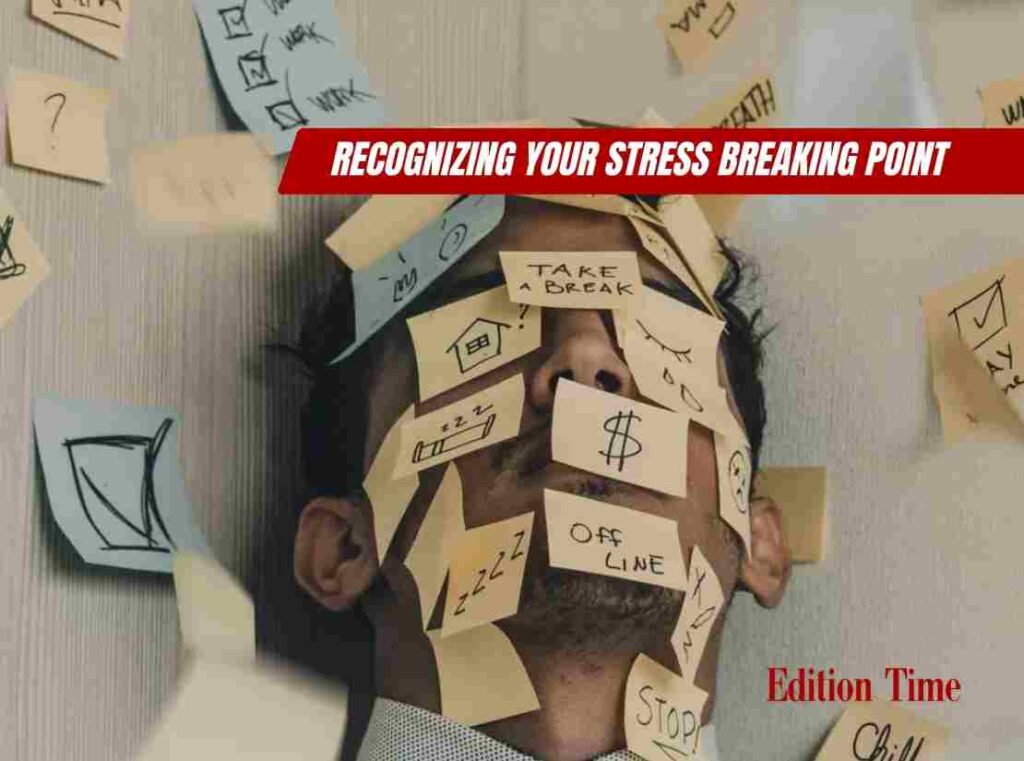
Learn to recognize the warning signs that stress has gone too far. Discover emotional and physical symptoms that signal it’s time to take action before burnout becomes dangerous.
I used to wear my stress tolerance like armor, believing that my ability to handle overwhelming pressure made me stronger and more capable than others. “I work well under pressure,” I’d tell myself and anyone who suggested I slow down. The idea of saying “enough” felt like admitting defeat, like I was weak or couldn’t handle what others seemingly managed with ease.
The reality check came during what should have been a routine dentist appointment when my hygienist asked if I’d been grinding my teeth. “Your jaw muscles are incredibly tight,” she said, “and you’ve worn down your molars significantly.” That moment forced me to confront a truth I’d been avoiding: my body was screaming for relief while my mind kept pushing forward relentlessly.
That dental visit became the catalyst for recognizing how stress had quietly infiltrated every aspect of my health and well-being. Learning to identify the warning signs that stress has crossed from motivating to harmful has been one of the most important skills I’ve developed for protecting both my immediate and long-term health.
If you’ve been pushing through increasingly difficult symptoms while telling yourself you can handle it, understanding these warning signs could prevent serious health consequences and help you reclaim control over your well-being.
Understanding When Stress Becomes Dangerous
Not all stress is created equal, and our bodies are designed to handle acute stress beautifully. The stress response that helped our ancestors survive dangerous situations serves us well during genuine emergencies or short-term challenges. The problem arises when this emergency response system never gets to rest and recover.
Dr. Maria Rodriguez, a stress physiology researcher I interviewed, explained that “chronic stress essentially hijacks your body’s normal functioning. What should be a temporary state becomes your baseline, and that’s when we see serious health consequences.”
The Stress Spectrum
Stress exists on a spectrum from beneficial to destructive. Optimal stress (called eustress) enhances performance and motivation. It’s the excitement before a presentation or the focused energy during a challenging project. This type of stress feels energizing rather than depleting.
Distress, on the other hand, feels overwhelming and unmanageable. It’s characterized by a sense of being out of control, constant worry, and physical symptoms that interfere with daily functioning. This is the stress that demands immediate attention and intervention.
Critical Emotional Warning Signs
Emotional symptoms often appear before physical ones, serving as early warning signals that stress levels have become unsustainable. I learned to recognize these patterns in myself before they escalated to physical health problems.
Mood Instability and Emotional Volatility
I first noticed something was wrong when my emotional reactions became disproportionate to situations. Small inconveniences would trigger intense frustration, and I’d find myself snapping at people I cared about over minor issues.
This emotional volatility isn’t a character flaw—it’s your nervous system’s way of signaling overload. When we’re chronically stressed, our emotional regulation systems become compromised, making it difficult to respond appropriately to everyday situations.
Loss of Control and Overwhelming Feelings
The sensation of being constantly behind, no matter how much I accomplished, became my daily reality. Tasks that used to feel manageable suddenly seemed impossible, and I felt like I was drowning even when objectively keeping up with my responsibilities.
This feeling of overwhelm often comes with a sense that life is happening to you rather than being directed by you. When stress reaches critical levels, we lose our sense of agency and control over our circumstances.
Difficulty Relaxing and Constant Hypervigilance
Even during designated rest time, I couldn’t truly relax. My mind would race with upcoming tasks, and I’d feel guilty for not being productive. True relaxation became impossible because my nervous system was stuck in high-alert mode.
This hypervigilance extends beyond work concerns to general anxiety about everything. You might find yourself constantly scanning for problems, unable to enjoy peaceful moments because you’re always waiting for the next crisis.
Social Withdrawal and Isolation
Stress slowly eroded my desire for social connection. Interactions that used to energize me began feeling like additional burdens, and I started declining invitations or avoiding conversations to protect my depleted energy reserves.
This withdrawal often happens gradually and can be disguised as being “too busy” for social activities. In reality, chronic stress makes social interaction feel overwhelming rather than supportive.
Persistent Worry and Catastrophic Thinking
My thought patterns became increasingly negative and focused on worst-case scenarios. Instead of problem-solving, I found myself cycling through fears and worries without finding solutions or resolution.
This type of thinking becomes self-perpetuating, creating additional stress about situations that may never occur.When worry becomes your default mental state, it’s a clear sign that stress has exceeded your coping capacity.
Physical Symptoms That Demand Attention
Physical symptoms of chronic stress can be subtle initially but become increasingly severe if ignored. Learning to recognize these early warning signs allows for intervention before permanent damage occurs.
Persistent Digestive Issues
My stomach became my stress barometer long before I recognized the connection. Nausea, acid reflux, changes in appetite, and digestive irregularity all correlated perfectly with my stress levels, though I initially attributed them to dietary issues.
The gut-brain connection means that emotional stress directly impacts digestive function. Chronic stress can lead to serious gastrointestinal conditions if not addressed promptly.
Tension-Related Pain and Muscle Problems
The tension in my shoulders and neck became so constant that I stopped noticing it until it reached severe levels.Stress-related muscle tension can lead to chronic pain conditions, reduced mobility, and secondary problems from compensatory movement patterns.
Pay attention to areas where you habitually hold tension—typically the shoulders, neck, jaw, and back. Persistent tightness in these areas often indicates that stress levels have exceeded healthy limits.
Sleep Disruption and Fatigue
Quality sleep became impossible despite feeling exhausted. Either I couldn’t fall asleep because my mind was racing, or I’d wake up multiple times during the night with anxiety about upcoming responsibilities.
Sleep disruption creates a vicious cycle where poor rest reduces stress resilience, making you more vulnerable to stress the following day. When sleep problems persist for more than a few days, it’s often a sign that stress intervention is needed.
Cardiovascular Symptoms
Heart palpitations, chest tightness, and feeling like my heart was racing became regular occurrences during particularly stressful periods. These symptoms were frightening and often led to additional anxiety about potential heart problems.
While it’s important to rule out medical causes, stress-related cardiovascular symptoms are common and can be serious if chronic stress continues. These symptoms often resolve with proper stress management but should always be evaluated by a healthcare provider.
Immune System Compromise
I started catching every illness that went around and took longer to recover from minor infections. Chronic stress suppresses immune function, making you more susceptible to everything from colds to more serious health conditions.
Frequent illness or slow recovery times can indicate that stress has compromised your body’s natural defense systems. This is often one of the later-stage symptoms of chronic stress overload.
The Dangerous Coping Mechanisms to Avoid
When stress becomes unbearable, it’s tempting to seek quick relief through substances or behaviors that ultimately make the situation worse. Recognizing these counterproductive coping strategies is crucial for breaking the stress cycle effectively.
Substance Use for Stress Relief
The glass of wine to unwind or extra caffeine to maintain energy can quickly escalate into dependence patternsthat add new problems to existing stress. Alcohol, drugs, and excessive caffeine provide temporary relief while actually increasing stress on your body and mind.
These substances disrupt sleep quality, interfere with natural stress recovery processes, and can create addiction issues that compound existing stress rather than resolving it.
Avoidance and Procrastination
When overwhelmed, it’s natural to want to avoid stressful situations entirely. However, avoidance typically increases stress over time as problems accumulate and deadlines approach.
Chronic avoidance can become a pattern that reduces your confidence in handling challenges and creates additional anxiety about facing necessary tasks.
Overworking and Perfectionism
Paradoxically, some people respond to stress by working even harder, believing that perfect performance will eliminate stress sources. This approach typically backfires by increasing pressure and reducing recovery time.
Perfectionism often masks anxiety about not being good enough and creates unrealistic standards that guarantee continued stress and disappointment.
Recognizing Your Personal Stress Signature
Everyone experiences and expresses stress differently. Learning your unique stress patterns allows for earlier recognition and more effective intervention strategies.
Physical Stress Patterns
I learned that my stress always follows a predictable pattern: first tension in my shoulders, then digestive issues, followed by sleep problems. Recognizing this sequence allows me to intervene before symptoms escalate.
Track your symptoms over time to identify your personal stress signature. Some people experience headaches first, others notice changes in appetite or energy levels. Understanding your pattern enables proactive stress management.
Emotional Stress Indicators
My emotional stress typically manifests as increased irritability followed by feelings of overwhelm. Recognizing these early emotional signs allows for intervention before physical symptoms develop.
Pay attention to changes in your emotional baseline. Are you more reactive than usual? Less patient with others? More pessimistic about situations? These shifts often precede physical stress symptoms.
Behavioral Changes
Stress often changes our behavior in subtle ways before we’re consciously aware of feeling overwhelmed. Changes in eating patterns, social engagement, or daily routines can indicate rising stress levels.
Notice changes in your normal patterns and preferences. Are you avoiding activities you usually enjoy? Eating differently? Sleeping more or less than usual? These behavioral shifts can be early stress indicators.
Taking Action: When and How to Say “Enough”
Recognizing that it’s time to address stress is often the hardest part of the process. Many people know they’re stressed but struggle with giving themselves permission to make necessary changes.
Setting Boundaries and Limits
Learning to say no became essential for managing my stress levels. This meant declining additional commitments, setting limits on work hours, and protecting time for rest and recovery.
Boundaries aren’t selfish—they’re necessary for maintaining the energy and health needed to fulfill your important commitments effectively. Setting limits actually improves your ability to perform well in the areas that matter most.
Seeking Professional Support
There’s no shame in needing professional help to manage stress. Therapists, counselors, and medical professionals can provide strategies and support that aren’t available through self-help alone.
Different types of stress may require different types of professional support. Work-related stress might benefit from career counseling, while relationship stress could require couples therapy or individual counseling.
Making Lifestyle Adjustments
Sometimes addressing chronic stress requires significant lifestyle changes rather than just adding stress management techniques to an already overwhelming routine.
This might mean changing jobs, ending toxic relationships, or restructuring daily routines to create more balance and sustainability. These changes can feel scary but are often necessary for long-term health and happiness.
Building Long-Term Stress Resilience
The goal isn’t to eliminate all stress from life but to develop sustainable ways of handling stress that don’t compromise your health and well-being.
Developing Healthy Coping Strategies
Effective stress management requires a toolkit of healthy coping mechanisms that you can use depending on the situation and your current stress levels.
This might include exercise, meditation, creative activities, social support, or professional therapy. Having multiple options ensures that you’re not dependent on any single strategy for stress relief.
Creating Sustainable Routines
Stress resilience comes from consistent daily practices that support your physical and emotional well-being rather than crisis intervention when stress becomes unbearable.
This includes prioritizing sleep, regular movement, healthy nutrition, and meaningful social connections. These foundational practices create the resilience needed to handle life’s inevitable stressors.
Regular Self-Assessment
Ongoing self-awareness prevents stress from reaching crisis levels. Regular check-ins with yourself about stress levels, symptoms, and overall well-being allow for early intervention.
This might involve weekly reflection, journaling, or simply pausing daily to assess how you’re feeling physically and emotionally. Consistent self-awareness creates the opportunity for proactive stress management.
Learning to recognize when stress has crossed from motivating to harmful is a crucial life skill that protects both your immediate well-being and long-term health. Your body and mind are constantly communicating about your stress levels—the key is learning to listen and take action before temporary stress becomes chronic health problems.
The courage to say “enough” isn’t about weakness or giving up; it’s about honoring your human limitations and protecting your ability to thrive long-term. Taking action when you recognize these warning signs is an act of strength and self-respect that enables you to show up fully for the people and commitments that truly matter to you.


