
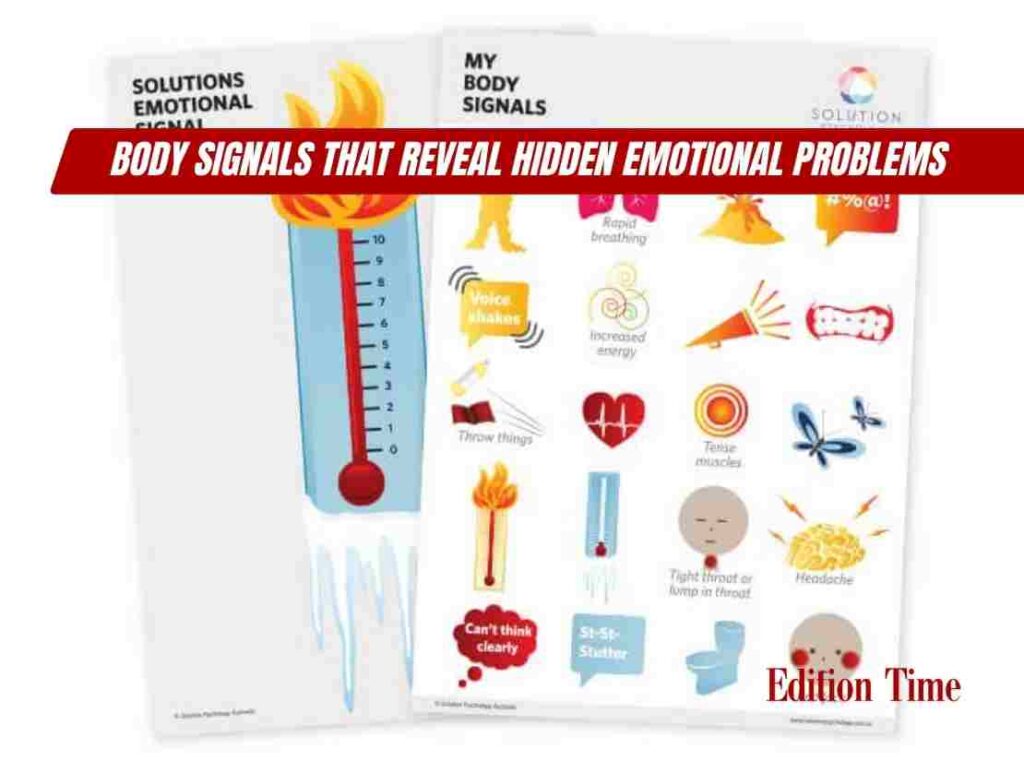
Discover 10 crucial body signals that indicate emotional distress. Learn to recognize physical symptoms of stress, anxiety, and emotional imbalance before they become serious health issues.
For months, I dismissed the persistent knot in my shoulders as poor posture from working at a desk. The frequent headaches were obviously from screen time, and my digestive issues were clearly from eating too much takeout during busy weeks. It wasn’t until a particularly stressful period when all these symptoms intensified simultaneously that I realized something deeper was happening.
My body had been trying to tell me about my emotional state long before my mind was ready to acknowledge it.The revelation came during a routine doctor’s visit when my physician asked about stress levels while examining my tense neck muscles. That conversation opened my eyes to the intricate connection between emotional well-being and physical symptoms.
What I discovered changed how I listen to my body and manage my emotional health. Physical symptoms are often our body’s first language for communicating emotional distress, speaking to us long before we’re consciously aware of underlying problems.
If you’ve been experiencing unexplained physical symptoms or dismissing recurring health issues as “just stress,” understanding these body-mind connections could provide crucial insights into your emotional well-being and help you address problems before they escalate.
Understanding the Mind-Body Connection
Our bodies are constantly processing and responding to our emotional states, often in ways we don’t immediately recognize. When we experience chronic stress, anxiety, or emotional turmoil, our nervous system remains in a heightened state of alert, triggering physical responses designed for short-term survival but harmful when sustained long-term.
Dr. Sarah Chen, a psychosomatic medicine specialist I consulted during my research, explained that “the body doesn’t distinguish between physical and emotional threats. Whether you’re running from a tiger or dealing with a difficult relationship, your body responds with the same stress hormones and physiological changes.”
How Emotions Manifest Physically
Emotional stress creates measurable changes in our body chemistry, affecting everything from immune function to digestion. Chronic emotional distress leads to elevated cortisol levels, increased inflammation, and disrupted sleep cycles—all of which manifest as physical symptoms.
The process often happens gradually, making it easy to dismiss early warning signs or attribute them to external factors rather than recognizing them as messages about our emotional state.
10 Key Physical Signals of Emotional Distress
Learning to recognize these signals has been transformative for my overall health and well-being. Here are the most common ways our bodies communicate emotional problems:
Chronic Fatigue and Low Energy
This was my first and most persistent symptom. Despite getting adequate sleep, I felt constantly drained and struggled to maintain energy throughout the day. Unlike normal tiredness from physical exertion, emotional fatigue feels heavy and pervasive.
Emotional exhaustion depletes our mental and physical resources more thoroughly than physical tiredness alone. When we’re emotionally overwhelmed, even simple tasks feel monumentally difficult because our nervous system is already operating at maximum capacity.
Persistent Headaches and Migraines
Tension headaches became a regular part of my week during particularly stressful periods. These aren’t occasional headaches from dehydration or eye strain—they’re recurring, often severe headaches that correlate with emotional stress levels.
Stress-related headaches often come with additional symptoms like visual disturbances (aura), sensitivity to light and sound, or nausea. The pain typically centers around the temples, forehead, or back of the head where tension accumulates.
Muscle Tension and Physical Stiffness
My shoulders felt like they were permanently raised toward my ears, and no amount of stretching seemed to provide lasting relief. Emotional stress creates physical tension that our bodies hold onto, particularly in the neck, shoulders, and back.
This tension isn’t just uncomfortable—it can lead to chronic pain conditions and reduced mobility if not addressed. The muscle tightness is our body’s way of protecting itself from perceived threats, but it becomes problematic when sustained over time.
Digestive Issues and Stomach Problems
The “gut-brain connection” became very real for me when I noticed my digestive issues perfectly correlated with my stress levels. Emotional distress can manifest as stomach pain, acid reflux, nausea, changes in appetite, or irritable bowel syndrome symptoms.
Our digestive system is incredibly sensitive to emotional states because it’s controlled by the same nervous system that responds to stress. When we’re emotionally overwhelmed, digestion slows down or becomes irregular, leading to various gastrointestinal symptoms.
Sleep Disturbances and Insomnia
Racing thoughts at bedtime became my nightly reality during emotionally challenging periods. Either I couldn’t fall asleep because my mind wouldn’t quiet, or I’d wake up multiple times throughout the night with anxiety.
Emotional stress disrupts our natural sleep cycles by keeping cortisol levels elevated when they should naturally decrease in the evening. Poor sleep then creates a vicious cycle, making us less emotionally resilient the following day.
Heart Palpitations and Rapid Heartbeat
Feeling my heart race during non-physical activities was one of the most alarming symptoms I experienced. Emotional stress can cause irregular heartbeat, chest tightness, or the sensation that your heart is pounding unusually hard.
These symptoms can be frightening and often lead to increased anxiety about potential heart problems, creating additional stress. While it’s important to rule out physical causes, emotional stress is a common trigger for cardiac symptoms in healthy individuals.
Shortness of Breath and Breathing Issues
I noticed I was holding my breath or breathing shallowly during stressful situations, which led to feelings of breathlessness even when sitting still. Emotional stress directly affects our breathing patterns, often making them more rapid and shallow.
Stress-related breathing changes can trigger panic symptoms and make existing anxiety worse. The reduced oxygen intake also affects cognitive function and physical energy levels.
Skin Problems and Breakouts
My skin became my emotional barometer, breaking out during stressful periods and clearing up when life felt more manageable. Stress hormones increase oil production and inflammation, leading to acne, eczema flare-ups, or other skin conditions.
Stress-related skin issues often appear in patterns that correspond to particularly challenging emotional periods. The skin is often called the “third brain” because of its sensitivity to emotional states.
Changes in Appetite and Eating Patterns
My relationship with food completely changed during emotionally difficult times. Sometimes I’d lose my appetite entirely, while other times I’d crave comfort foods and overeat. Both patterns were my body’s way of coping with emotional stress.
Stress affects hunger hormones and our relationship with food as a comfort mechanism. These changes can lead to weight fluctuations and unhealthy eating patterns that further impact physical health.
Decreased Immune Function and Frequent Illness
I noticed I caught every cold and virus that went around during particularly stressful periods. Emotional stress suppresses immune function, making us more susceptible to infections and slowing recovery time.
Chronic emotional stress creates chronic inflammation, which exhausts our immune system’s resources and leaves us vulnerable to both minor illnesses and more serious health conditions over time.
Recognizing Patterns and Triggers
The key to using these physical signals effectively is learning to recognize patterns rather than dismissing individual symptoms. I started keeping a simple journal noting physical symptoms alongside major stressors or emotional events.
Tracking Your Body’s Messages
Creating awareness of your body’s stress patterns requires consistent observation. I began noting when symptoms appeared, their intensity, and what was happening emotionally at the time. The patterns became clear within just a few weeks.
Look for correlations between life events and physical symptoms. Do headaches increase during work deadlines? Does your stomach act up before difficult conversations? These connections reveal how your body specifically responds to emotional stress.
Understanding Your Unique Response
Everyone’s body communicates emotional distress differently. While I primarily experience tension in my shoulders and digestive issues, others might notice changes in sleep patterns or skin conditions. Learning your personal stress signature is crucial for early intervention.
Pay attention to the sequence of symptoms. Often, our bodies follow predictable patterns when emotional stress builds. Recognizing early warning signs allows for intervention before symptoms become severe.
When Physical Symptoms Require Professional Attention
While many stress-related symptoms are manageable with lifestyle changes, some situations require professional support. It’s important to distinguish between symptoms that can be addressed through stress management and those that need medical evaluation.
Red Flags That Need Immediate Attention
Seek medical care immediately for chest pain, severe shortness of breath, or any symptoms that feel dangerous or life-threatening. Even if stress is the underlying cause, these symptoms should be evaluated by a healthcare professional.
Persistent or worsening symptoms despite stress reduction efforts may indicate underlying medical conditions that need treatment beyond stress management.
Finding the Right Professional Support
Different types of professionals can help with various aspects of stress-related symptoms. Primary care physicians can rule out medical causes and provide referrals, while mental health professionals can address underlying emotional issues.
Integrative approaches often work best, combining medical evaluation with psychological support and lifestyle modifications. Don’t feel like you have to choose between addressing physical symptoms and emotional causes.
Effective Strategies for Breaking the Cycle
Once I understood how my emotional state was affecting my physical health, I could take targeted action to break the stress-symptom cycle and prevent escalation.
Stress Reduction Techniques
Regular stress management practices have dramatically reduced my physical symptoms. Techniques like meditation, deep breathing exercises, and progressive muscle relaxation directly address the nervous system activation that creates physical symptoms.
Consistency matters more than duration. Even five minutes of daily stress reduction practice can create measurable improvements in physical symptoms over time.
Lifestyle Modifications
Simple changes in daily routines can have profound effects on stress-related symptoms. Regular exercise, adequate sleep, and proper nutrition provide the foundation for emotional and physical resilience.
Movement is particularly effective for releasing muscle tension and processing stress hormones. Even gentle activities like walking or stretching can provide significant relief.
Emotional Processing and Support
Addressing the underlying emotional issues is crucial for long-term resolution of stress-related physical symptoms. This might involve therapy, support groups, or simply creating more space for emotional expression in daily life.
Don’t underestimate the power of social connection in managing emotional stress. Sharing experiences and feelings with trusted friends or family members can significantly reduce the physical impact of emotional challenges.
Prevention Through Self-Awareness
The most powerful tool for managing stress-related symptoms is developing ongoing self-awareness. Regular check-ins with both your emotional and physical state help catch problems early when they’re easier to address.
Daily Self-Assessment Practices
I’ve developed a simple daily practice of scanning my body for tension or unusual symptoms while also noting my emotional state. This awareness helps me make adjustments before stress accumulates to problematic levels.
Creating rituals around self-awareness makes it more likely to become a consistent habit. I do my body-emotion check during my morning coffee and evening wind-down routine.
Building Emotional Resilience
Strengthening emotional resilience reduces the intensity of physical stress responses over time. This involves developing healthy coping mechanisms, maintaining supportive relationships, and creating meaning and purpose in daily life.
Resilience isn’t about avoiding stress entirely but rather developing the skills to navigate challenges without overwhelming your physical and emotional systems.
Your body is constantly communicating with you about your emotional well-being through physical sensations and symptoms. Learning to listen to and interpret these signals can be transformative for both your physical health and emotional balance.
The key is approaching these symptoms with curiosity rather than dismissal, seeking appropriate professional support when needed, and developing sustainable practices for managing stress before it manifests as physical problems. Your body’s wisdom can be your greatest ally in maintaining overall health and well-being when you learn to understand its language.


