
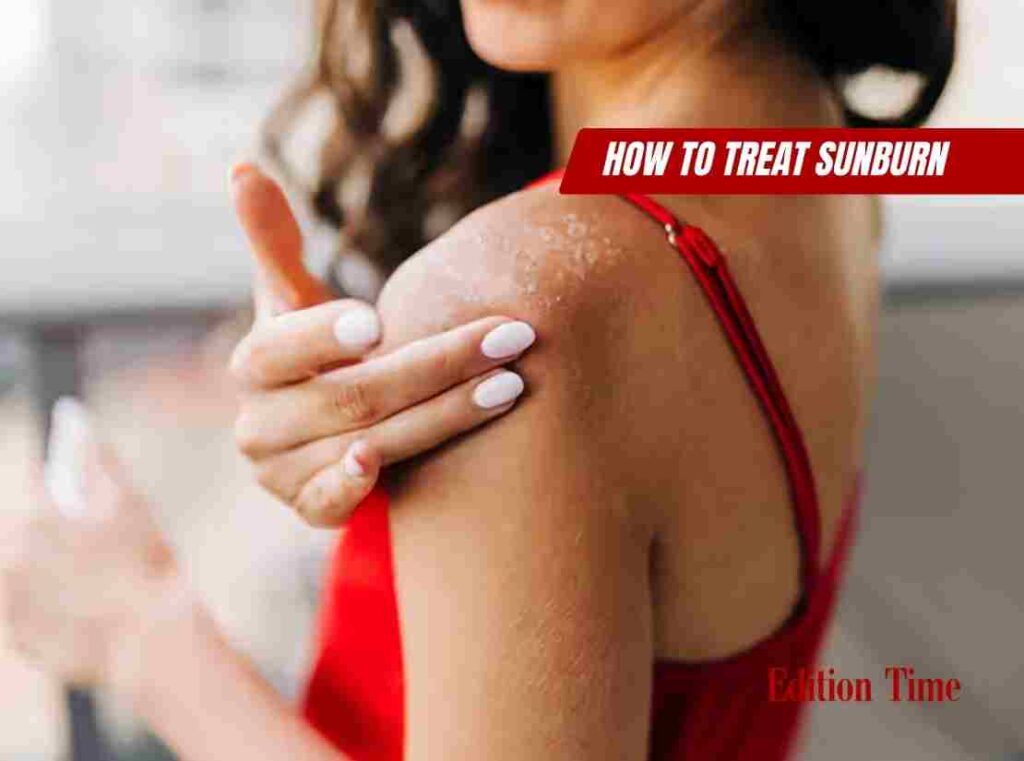
Learn expert-approved sunburn treatments that work fast. Discover natural remedies, when to see a doctor, and prevention tips from dermatologists for healing sunburned skin safely.
Despite my best intentions with SPF 50 and hourly reapplication reminders on my phone, I still managed to get a spectacular sunburn during my beach vacation last summer. The familiar pink glow appeared within hours, followed by the uncomfortable heat and tightness that signals UV damage. As a beauty editor who preaches sun safety, this was both embarrassing and educational—reminding me that sunburn can happen to anyone, even those who think they’re being careful.
Sunburn affects millions of people each year, and while prevention is always the best strategy, knowing how to properly treat it when it happens can make the difference between a few days of discomfort and weeks of pain and peeling. The good news is that modern dermatology offers both time-tested and cutting-edge approaches to sunburn care.
Whether you’re dealing with a mild pink tint or more serious burning and blistering, understanding the proper treatment methods can help accelerate healing and prevent complications.
Understanding Sunburn: What’s Actually Happening to Your Skin
Sunburn occurs when the ultraviolet (UV) radiation, either from the sun or artificial sources like tanning beds, damages the DNA inside skin cells. The cells die in a process known as apoptosis, and the rapid cell death activates the immune system to release inflammatory proteins.
When UV radiation damages molecules in the skin, the immune system tries to repair the damage by releasing inflammatory proteins. These increase the size of blood vessels around the affected area, allowing more blood to enter. This is what makes your skin red and hot to the touch—it’s actually an inflammatory reaction.
Degrees of Sunburn:
First-degree sunburn affects only the outer layer of skin and causes mild pain, redness, and swelling. Your skin color may turn anywhere from light pink to bright red, and it will be painful to the touch. This type of burn should heal within a few days.
Second-degree sunburn results in damage to the deeper layers of the skin and causes blisters and white, shiny-looking skin. This type of sunburn is more serious, with severe redness, swelling, and blistering because the dermis and nerve endings have been damaged. It could take about two weeks to heal.
Immediate First Aid: The First 24 Hours
The moment you notice sunburn developing, immediate action can significantly impact your recovery time and comfort level. The first thing you should do is get out of the sun—and preferably indoors.
Cool Water Treatment:
One of the most effective immediate treatments is cool water exposure. Take frequent cool baths or showers to help relieve the pain, but don’t stay in too long as it can dry out the skin. An effective way to immediately help sunburn, even while you’re still outside, is to briefly enter cool water, whether it’s an ocean, lake, or stream.
Avoid harsh soaps and don’t exfoliate your skin, as both could further irritate the damaged area. Don’t scrub or rub the skin, either in the bath or after getting out—instead, gently pat yourself dry with a towel.
Immediate Hydration:
As soon as you get out of the bathtub or shower, apply moisturizer while your skin is still damp from the bath or shower. This helps trap moisture and begins the healing process immediately.
The Power of Aloe Vera: Science-Backed Relief
Aloe vera is a tropical medicinal plant that has been used for thousands of years to treat skin conditions, such as wounds and burns. Aloe vera is so effective at soothing burns that it’s sometimes referred to as the “burn plant.”
Scientific Evidence:
A 2024 research review found that topical aloe vera encouraged wound healing more quickly than other antimicrobial agents in people with second-degree sunburn. There’s substantial evidence that aloe vera is beneficial in healing first- to second-degree burns, which include mild to moderate sunburns.
A compound in aloe called aloin was found to be responsible for the plant’s anti-inflammatory benefits. Aloe vera can also help moisturize the skin and prevent the peeling that sometimes happens with sunburns.
How to Apply Aloe Vera:
To treat a sunburn, spread a layer of pure gel extracted from the inside of an aloe vera leaf over the burnt skin. If you have access to an aloe vera plant, break off a chunk and apply the gel directly to the skin for immediate relief.
If you can’t access a fresh plant, look for 100% aloe vera gel sold online or in pharmacies. Experts recommend storing pure aloe vera gel in the refrigerator for added cooling relief. Avoid products with additives like colors and perfumes, and choose the highest percentage of aloe vera possible.
Natural Home Remedies That Actually Work
Beyond aloe vera, several natural remedies have earned dermatologist approval for their healing properties.
Chamomile Compresses:
Some research suggests that the topical application of chamomile may help manage inflammatory skin conditions. To use chamomile tea for sunburn relief, brew the tea as you normally would, let it cool, then apply with a soft cloth to affected areas.
Cool Compresses:
Apply cool, damp washcloths to the affected area for immediate relief. Avoid ice directly on the skin, but frozen vegetables wrapped in a cloth can provide gentle cooling relief.
Hydrating Foods:
You need to drink plenty of water to help counteract the drying effects of a sunburn. If you can’t drink enough fluids, snack on hydrating fruits and vegetables like watermelon, cucumber, strawberries, tomatoes, grapefruit, and cantaloupe—all of which are more than 90% water.
Colloidal Oatmeal Baths:
Adding colloidal oatmeal to cool baths can provide additional anti-inflammatory benefits and help soothe irritated skin.
Professional Treatment Options
For more severe sunburn or when home remedies aren’t providing adequate relief, professional treatments may be necessary.
Over-the-Counter Medications:
Consider taking aspirin or ibuprofen to help reduce any swelling and discomfort. These NSAIDs can help address the inflammatory response that causes much of sunburn’s pain and swelling.
Topical Treatments:
Apply a 1% hydrocortisone cream for additional anti-inflammatory relief. For pain relief, you can also apply calamine lotion to affected areas.
When to See a Doctor:
Deeper burns may require a doctor’s visit and more aggressive treatment. For example, prescription-strength silver sulfadiazine topical cream is commonly given to patients with more severe burns.
What NOT to Do: Common Mistakes to Avoid
Proper sunburn care is as much about what you shouldn’t do as what you should.
Avoid Petroleum-Based Products:
It’s best to avoid petroleum-based moisturizers because they can trap heat and worsen the sunburn. Products containing petroleum (like Vaseline) should be avoided during the acute phase of sunburn.
Don’t Pop Blisters:
With second-degree burns, blisters may form due to damage. Do not pop the blisters—this could impede healing and lead to infection if the dermis is exposed, allowing bacteria to enter.
Resist Peeling:
Whether it’s a first- or second-degree sunburn, your skin may start to peel a few days after the initial burn. “It’s important to let the skin fall off naturally,” says Dr. Zubek. “You don’t want to peel it yourself because you could introduce bacteria and risk infection.”
Avoid Further Sun Exposure:
Stay out of the sun until your skin heals. If you must go outside, wear protective clothing and apply broad-spectrum sunscreen to unburned areas.
Special Considerations for Children
Children have particularly delicate skin and require special care when dealing with sunburn. For curare la scottatura dei bambini (treating children’s sunburn), parents can use many of the same gentle remedies recommended for adults, but with extra caution.
Child-Safe Treatments:
- Cool baths with careful temperature monitoring
- Gentle application of pure aloe vera gel
- Age-appropriate pain relievers following pediatric dosing guidelines
- Extra attention to hydration and comfort measures
For deeper or more extensive sunburns in children, parents should always consult with their pediatrician for appropriate treatment recommendations.
Recovery Timeline and What to Expect
Understanding the normal healing process can help you monitor your recovery and identify any concerning changes.
Day 1-2: Peak inflammation, redness, and pain Day 3-5: Possible onset of peeling as skin begins to shed damaged cellsDay 5-7: Gradual reduction in redness and discomfort Week 2: Most mild sunburns should be fully healed
During recovery, continue moisturizing peeling skin, which will help the burn heal faster and reduce discomfort.
Prevention: Your Best Defense
While this article focuses on treatment, prevention remains the most effective approach to sunburn. Although it may seem like a temporary condition, sunburn can cause long-lasting damage to the skin and increases a person’s risk for getting skin cancer.
Key Prevention Strategies:
- Apply broad-spectrum, water-resistant sunscreen with SPF 30 or higher
- Seek shade during peak UV hours (10 AM – 4 PM)
- Wear sun-protective clothing, wide-brimmed hats, and UV-blocking sunglasses
- Reapply sunscreen every two hours and after swimming or sweating
When Professional Help Is Needed
While most sunburns can be treated at home, certain signs indicate the need for medical attention:
- Severe blistering over a large area
- Signs of infection (pus, red streaks, fever)
- Extreme pain that doesn’t respond to over-the-counter treatments
- Dehydration symptoms
- Fever and chills
Third- and fourth-degree burns are medical emergencies and should never be treated at home with topical remedies.
The Bottom Line
Sunburn treatment has evolved significantly from the old days of slathering on butter or baby oil. Today’s evidence-based approaches focus on cooling inflammation, maintaining hydration, and supporting the skin’s natural healing process.
The combination of immediate cooling, proper moisturizing, and anti-inflammatory treatments can significantly reduce both the duration and severity of sunburn symptoms. Natural remedies like aloe vera and chamomile have earned their place alongside modern treatments thanks to solid scientific backing.
Remember that while these treatments can provide significant relief and accelerate healing, they can’t undo the DNA damage that causes long-term skin aging and cancer risk. The best sunburn treatment is prevention, but when damage occurs, prompt and proper care can make all the difference in your comfort and recovery.


