
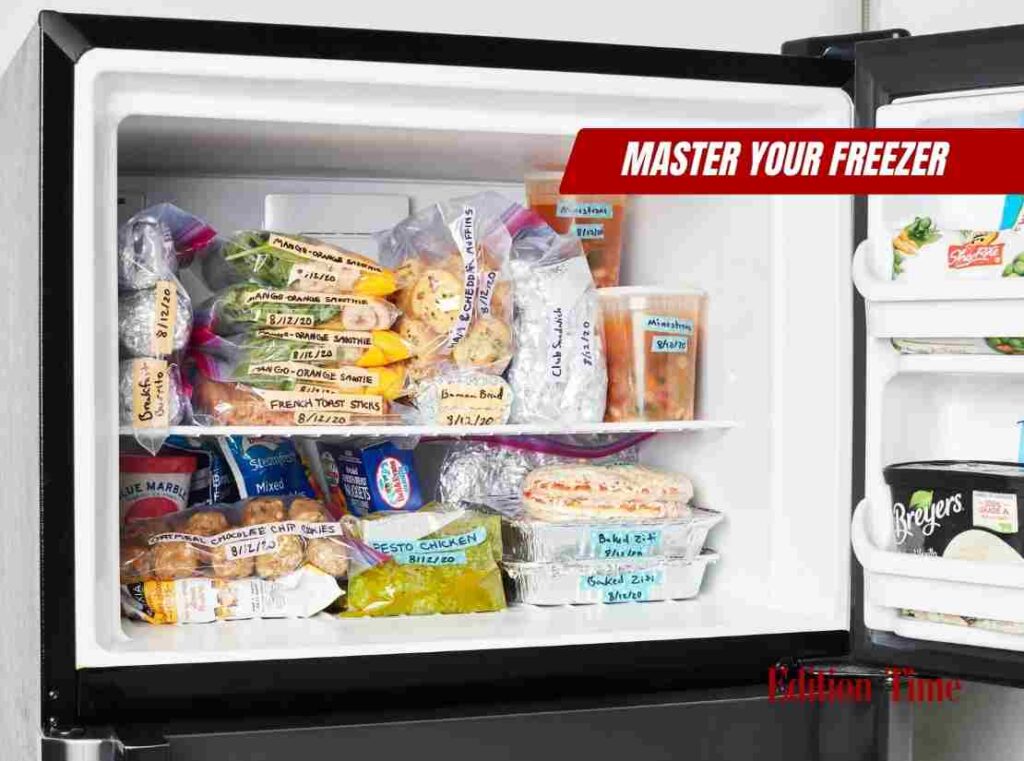
Transform your freezer into a money-saving powerhouse with expert organization tips, space-maximizing hacks, and meal prep strategies that cut food waste and grocery bills.
Last week, I spent thirty minutes hunting through my freezer for a bag of frozen peas, only to discover it hiding behind a forgotten container of soup from three months ago. That frustrating experience reminded me why freezer organization isn’t just about tidiness—it’s about saving money, reducing food waste, and making meal planning infinitely easier.
As someone who’s tested countless organizational systems and interviewed professional organizers, I can tell you that a well-organized freezer is one of the most underutilized money-saving tools in our homes. When properly maximized, your freezer can save you hundreds of dollars annually by allowing you to buy in bulk, meal prep efficiently, and prevent perfectly good food from disappearing into the frozen abyss.
The transformation doesn’t require expensive organizers or a complete freezer overhaul. With the right strategies and a few simple tools, you can turn your freezer from a chaotic storage space into a streamlined system that works for your lifestyle and budget.
Understanding Your Freezer’s Potential
Your freezer is essentially a time capsule for food, but only when used strategically. The key to freezer organization is grouping like with like. “It’s helpful to group similar items together, that way, you’ll know how many you have, and exactly where to find them,” says Crystal Schmidt, creator of the blog Whole-Fed Homestead.
The first step in maximizing your freezer involves understanding what type of freezer you have and how to work with its specific layout. Whether you have a refrigerator with a top freezer, a drawer freezer on a french door refrigerator, a side-by-side freezer, or a standalone chest freezer, each requires a slightly different organizational approach.
Space Utilization Basics:
A full freezer retains cold better than an empty one, making it more energy-efficient. However, be careful not to pack it too full—air must be able to circulate easily to maintain proper temperature. The sweet spot is about 75% capacity, which allows for optimal performance while providing adequate storage.
The number one rule when using your freezer is to label freezer bags or food containers clearly with the contents and the date they were frozen, so they can be easily identified later. This simple practice prevents the mystery meal syndrome and helps you use items before they lose quality.
The Flat-Pack Revolution
One of the most transformative organizing techniques I’ve discovered is flat-packing. To create more space in your freezer (and get a jump on meal planning), separate oversized bags into smaller portioned or meal-size bags when storing food.
Why Flat-Packing Works:
Flat packing your items is the best way to maximize space in your freezer. When you freeze items flat, they stack like books, allowing you to store significantly more food in the same amount of space. This technique works particularly well for:
- Soups and sauces in freezer bags
- Marinated meats
- Cooked grains and pasta
- Smoothie ingredients
- Pre-made casseroles
The process is simple: place food in freezer bags, remove excess air, lay flat on a baking sheet to freeze, then stack vertically once solid. This method can increase your freezer’s capacity by up to 40% compared to traditional container storage.
Zone Organization Strategy
Creating designated zones in your freezer eliminates the guesswork and reduces time spent searching for items. Keeping similar items together in the same section of the freezer makes it easier to find what you’re looking for.
Recommended Freezer Zones:
- Proteins Zone: Keep all meats, poultry, and fish in one area (preferably the bottom to prevent cross-contamination)
- Prepared Meals Zone: Store homemade freezer meals and leftovers together
- Vegetables and Fruits Zone: Group all frozen produce
- Basics Zone: Items like bread, butter, and ice cream
- Meal Prep Components Zone: Pre-chopped vegetables, cooked grains, and sauce portions
For deep freezers, I suggest creating a bin system by grouping things into like categories. Use freezer bins and storage containers to categorize items, which breaks your freezer into manageable zones and prevents the dreaded “black hole” effect where items disappear at the bottom.
Container and Storage Solutions
The right storage containers can make or break your freezer organization system. To make the most of the available space in your freezer, place food in square or rectangular containers. These stack well and take up less space, which is perfect for anyone trying to fit lots of food into their freezer.
Best Storage Options:
Glass Containers: Ideal for durability and visibility, though heavier than other options. Look for freezer-to-oven safe varieties for maximum versatility.
Vacuum-Sealed Bags: The ultimate space-saver. Vacuum sealing removes air, preventing freezer burn while minimizing storage space.
Freezer-Safe Bags: Choose thicker freezer bags over regular storage bags. Gusseted freezer bags that stand up once filled work particularly well for soups and sauces.
Clear Bins: Transparent storage bins allow you to see contents at a glance while keeping categories organized.
Be mindful of space and efficiency when choosing containers for frozen foods. Avoid using glass that’s not specifically freezer-safe, as it can crack in extreme cold.
Meal Prep Integration
Your freezer becomes exponentially more valuable when integrated into a meal prep strategy. If you’re making a meal, say a lasagna or a pot of soup, you can make two at the same time and freeze one of them to eat later.
Prep-Ahead Strategies:
Component Cooking: Prepare large batches of proteins, grains, and vegetables separately, then mix and match throughout the week. “I call that mix-and-match meal prep — you make like batches of different foods,” explains fitness expert Kevin Curry.
Portion Control: Freeze meat items individually, and portion ground meats into smaller portions — say 8 ounce packs — before freezing so you can pull out just what you need. This prevents waste and makes meal planning more flexible.
Sauce and Seasoning Cubes: Freeze herbs in olive oil, tomato paste portions, and homemade broths in ice cube trays for easy flavor additions to future meals.
Inventory Management Systems
Maintaining a freezer inventory prevents overbuying and reduces food waste. Set aside time to create a detailed list of everything in your freezer. It’ll be time-consuming at first, but once you’ve got the list it’s easy to update.
Digital vs. Physical Tracking:
Some people prefer smartphone apps for inventory tracking, while others swear by a simple whiteboard mounted on the freezer door. Choose the system you’ll actually use consistently. Write down items as you add them and cross them off as you use them.
First-In-First-Out System: To minimize waste, employ a “first-in-first-out” system. Arrange new food at the bottom or back of the freezer, giving yourself easy access to foods that should be used sooner.
Money-Saving Strategies
An organized freezer directly impacts your grocery budget in several ways:
Bulk Buying Benefits: When you know exactly what you have and how much space is available, you can take advantage of sales and bulk pricing without fear of waste.
Reduced Food Waste: Proper labeling and organization prevent forgotten items from becoming freezer-burned and unusable.
Meal Planning Efficiency: A well-organized freezer makes meal planning faster and more effective, reducing impulse food purchases and takeout spending.
Seasonal Preservation: Freeze seasonal produce at peak freshness and pricing for year-round enjoyment.
Advanced Organization Techniques
Magazine File System: For upright freezers, use magazine holders or file organizers to store flat-packed items vertically. This makes everything visible and accessible.
Color-Coded Labels: Use different colored labels or tape for different food categories. This visual system makes identification even faster.
Freezer Baskets: Wire baskets allow you to see contents below while creating pull-out drawer functionality in chest freezers.
Temperature Monitoring: Keep a freezer thermometer to ensure your appliance maintains the proper temperature (0°F or -18°C) for food safety and quality.
Maintenance and Troubleshooting
Regular Decluttering: Schedule monthly freezer cleanouts to remove expired items and reorganize as needed. As you begin to figure out where items should go in the freezer, consider expiration dates and purchase dates, keeping items that expire sooner in more visible locations.
Freezer Burn Prevention: Proper wrapping and storage containers prevent freezer burn, which affects both taste and texture. Wrapping in freezer paper or plastic wrap, then placing in a resealable bag helps extend shelf life.
Energy Efficiency: A well-organized freezer runs more efficiently because items are easier to locate quickly, reducing the time the door stays open.
Adapting to Different Freezer Types
Top Freezers: Use door shelves for frequently accessed items and stack similar items on main shelves.
Side-by-Side Freezers: Take advantage of narrow shelves by storing items in single layers for better visibility.
Chest Freezers: Create zones with bins and always keep a lane in the center for accessing lower layers.
Drawer Freezers: Utilize dividers and file items vertically for maximum visibility and access.
Your freezer organization system should evolve with your needs and cooking habits. Regular assessment and adjustment ensure the system continues to serve your lifestyle while maximizing both space and savings. The investment in organization pays dividends in reduced food waste, improved meal planning, and significant grocery savings over time.


