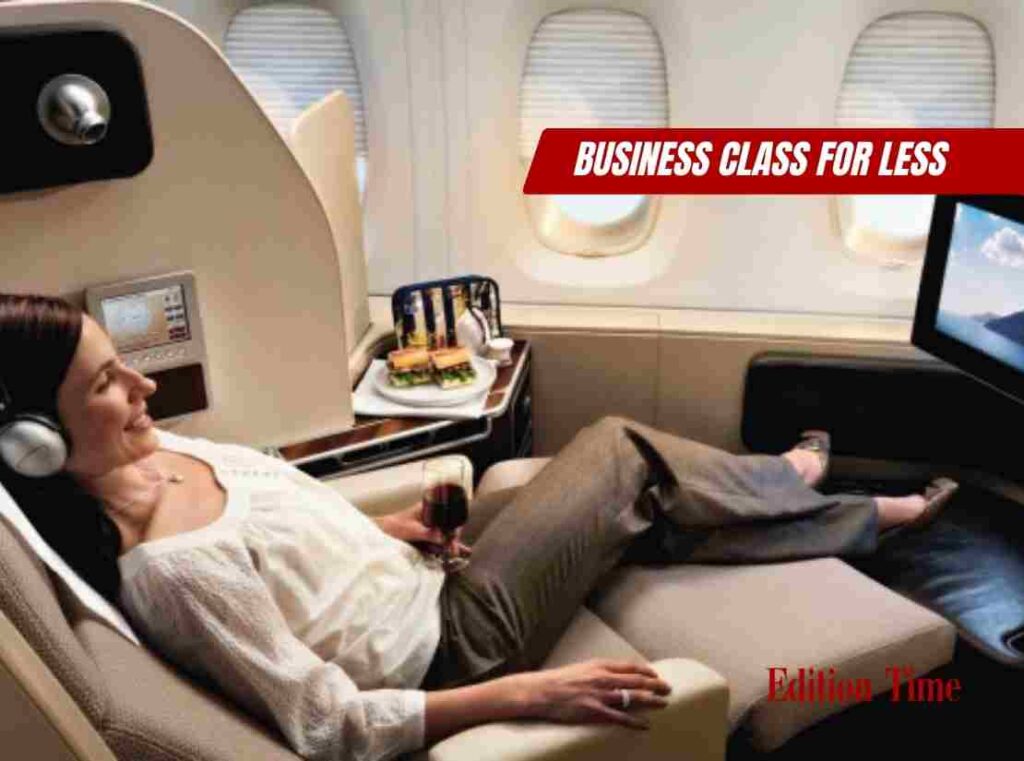
Flying business class doesn’t have to bankrupt your travel budget. As someone who’s spent years chasing premium cabin deals and testing every upgrade strategy imaginable, I can tell you that with the right knowledge and timing, those coveted lie-flat seats become surprisingly accessible.
Last month alone, I secured three business class upgrades for less than $500 each on transatlantic routes that normally sell for over $3,000. The secret isn’t luck—it’s understanding how airlines price and distribute their premium inventory.
Whether you’re a once-a-year traveler dreaming of your first flat-bed flight or a frequent flyer looking to optimize your upgrade game, these proven strategies will dramatically improve your chances of sitting in the front of the plane without paying front-of-plane prices.
Understanding the Upgrade Landscape in 2025
The airline industry has fundamentally changed how it handles premium cabin access. More than 50 airlines worldwide—including Air Canada, Fiji Airways, LATAM, Lufthansa, Qantas, and Virgin Atlantic—offer bidding programs, where guests who already have an economy ticket can try to score heavily discounted business-class seats by bidding for them.
Gone are the days when a nice smile and a special occasion story could get you moved to business class. Airlines have replaced those random acts of kindness with sophisticated revenue management systems designed to extract maximum value from every seat. But this systematization actually works in our favor if we understand the rules.
I’ve observed that airlines are increasingly willing to sell premium upgrades at steep discounts rather than fly with empty business class seats. Airlines report that successful upgrade bids average 30% less than standard business class fares, creating genuine opportunities for savvy travelers.
The Art of Upgrade Bidding
Bidding for upgrades has become one of the most reliable ways to access business class at reasonable prices. Many airline bidding programs are operated by the same company, Plusgrade, though individual airlines may impose their own specific limitations on the process.
The bidding process typically works like this: after booking your economy ticket, you’ll receive an email invitation to bid for an upgrade, usually between 24 hours and several days before departure. The key is understanding how to bid strategically.
My Personal Bidding Formula:
Based on my successful upgrades, I follow this calculation: Calculate the regular cost of a business-class seat. Subtract what you paid for the economy fare, and aim for around 20% to 40% of the remaining price. Bid slightly above the minimum to beat the crowd since most people will choose the minimum.
For example, if business class costs $2,500 and you paid $400 for economy, the difference is $2,100. I typically bid around $630-840 (30-40% of the difference), slightly above whatever minimum the airline sets. This strategy has worked for me on routes from New York to London and Los Angeles to Tokyo.
Elite Status: Still Your Best Friend
While bidding systems democratize upgrades, qualifying for an airline’s elite status is the best way to receive complimentary upgrades. Elite members receive priority for operational upgrades when flights are oversold or when business class has availability.
I’ve maintained elite status with multiple airlines over the years, and the upgrade success rate is dramatically different. Airlines such as American Airlines and Delta have reported that elite members receive upgrades about 5-10 times more frequently than general public travelers.
The sweet spot for many travelers is achieving mid-tier elite status through strategic credit card spending and flying patterns. You don’t need to be a road warrior to benefit from these programs—even Gold status can significantly improve your upgrade odds.
Strategic Booking for Maximum Upgrade Potential
One of my most successful strategies involves booking premium economy when available, then bidding for business class upgrades. Premium Economy fares represent increasingly fantastic value for all travelers, and they often have higher upgrade success rates than standard economy tickets.
I recently booked a premium economy seat from London to New York for $800, then successfully bid $400 to upgrade to business class—a total cost of $1,200 for a seat that originally sold for $3,200. The math works because airlines view premium economy passengers as higher-value customers more likely to complete successful upgrade bids.
Timing Your Bookings:
Research indicates that bids of 30-50% of the fare difference have a higher probability of being accepted. But timing matters enormously. I’ve found the highest success rates when booking flights during these windows:
- Tuesday and Wednesday departures: Business travelers avoid these days
- Shoulder season travel: Avoid peak business and leisure periods
- Red-eye flights: Premium demand drops significantly on overnight routes
Credit Card Points and Miles Strategies
Using points and miles for upgrades often provides better value than paying cash for business class tickets outright. One of the easiest ways for travelers without elite status to upgrade their seats to first or business class without paying the full cash price is by paying for the upgrade with miles.
I regularly transfer credit card points to airline partners specifically for upgrade redemptions. For instance, transferring Chase Ultimate Rewards to United for a Polaris business class upgrade costs significantly fewer points than booking the business class ticket directly.
The key is understanding each airline’s upgrade pricing structure. Some airlines offer exceptional value for mile-based upgrades on specific routes, while others are prohibitively expensive.
Last-Minute Opportunities at Check-In
Don’t overlook the power of asking at check-in or the gate. Airlines sometimes offer last-minute upgrades at check-in or at the gate if business class seats remain unsold close to departure. I’ve secured several deeply discounted upgrades simply by asking politely when checking in for flights with visible business class availability.
The success rate here is low, but when it works, the savings are dramatic. I once paid $200 to upgrade from economy to business class on a 10-hour flight from Frankfurt to San Francisco—simply because I asked at the gate and the agent had several empty seats to fill.
Mistake Fares and Flash Sales
Mistake airfares often occur when airlines miscalculate currency conversions, leave off fuel surcharges, or input incorrect pricing. While rare, these errors can provide extraordinary value for business class travel.
I’ve successfully booked mistake fares including a $600 business class ticket from Los Angeles to Ho Chi Minh City and an $899 United Polaris seat to London. The key is speed and having your booking details ready to go. Subscribe to newsletters like Going and Secret Flying to get alerts when these deals surface.
Alternative Airlines and Routing Strategies
In recent years, there has been a growing crop of all-business-class airlines that sell seats at a cheaper rate than larger carriers. These boutique carriers often offer more reasonable pricing than legacy airlines on similar routes.
I also regularly book connecting flights instead of direct routes when the savings justify the extra travel time. A connection in Europe can cut transatlantic business class costs by 25-40%, particularly when booking with Eastern European or Gulf carriers.
Common Mistakes to Avoid
After years of upgrade hunting, I’ve seen travelers make costly errors:
Never bid more than you’d pay for a direct purchase. Going’s Product Operations Program Manager, Daniel says, “The key when you’re bidding is to ignore what the airline tells you is a good or bad deal and be guided by your own budget”.
Don’t book basic economy if you want upgrades. Most airlines exclude their cheapest fare classes from upgrade eligibility, so that $50 savings could cost you upgrade opportunities worth hundreds.
Avoid bidding during peak travel periods. Competition increases dramatically during holidays and summer peak season, driving successful bid amounts much higher.
Making Your Upgrade Strategy Work
The most successful upgrade hunters combine multiple strategies rather than relying on a single approach. I typically book a refundable economy or premium economy ticket, submit a conservative upgrade bid, maintain elite status with my primary airline, and always check for last-minute opportunities at the airport.
Remember that if you’re set on flying business or first class, your best bet is to book that seat from the start. But for travelers willing to be flexible and strategic, the opportunities for premium cabin access at reasonable prices have never been better.
The upgrade game requires patience and persistence, but when you’re lying flat over the Atlantic for less than many people pay for premium economy, the effort becomes absolutely worthwhile.