
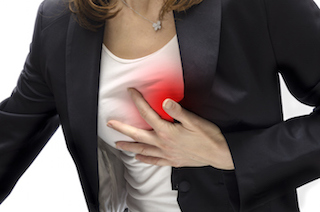
Heart disease remains the leading cause of death worldwide, claiming one life every 33 seconds. Yet many of us miss the early warning signs that could save our lives. As someone who nearly lost a family member to an undiagnosed heart condition, I’ve learned that heart problems don’t always announce themselves with dramatic chest clutching like we see in movies.
According to the latest data from the Centers for Disease Control and Prevention, heart disease caused over 700,000 deaths in the United States in 2022 alone. What’s particularly alarming is that many of these deaths might have been prevented with earlier detection and intervention. The challenge? Many heart problem symptoms are easily dismissed or attributed to less serious conditions.
In this article, I’ll share the subtle yet potentially life-saving heart problem symptoms that medical experts urge us not to ignore. These warning signs might not seem obviously connected to heart health—which is precisely why they’re so dangerous when overlooked.
Why Heart Symptoms Are Often Missed
Before diving into specific symptoms, it’s important to understand why heart problems frequently go undetected until they become critical.
“Any symptom that seems to be provoked by exertion and relieved by rest could be heart-related,” explains Dr. Randall Zusman, cardiologist at Harvard-affiliated Massachusetts General Hospital. This is especially true for people with risk factors like high cholesterol, high blood pressure, diabetes, smoking history, sedentary lifestyle, obesity, or family history of heart disease.
The problem is that many cardiac symptoms can mimic everyday ailments:
- Fatigue might be attributed to overwork or poor sleep
- Indigestion could be mistaken for a cardiac event (or vice versa)
- Pain in the jaw or back may be dismissed as muscle strain
- Breathing difficulties might be blamed on aging or poor fitness
Even more concerning is that symptoms often present differently in women than in men. Research shows that women are more likely to experience atypical symptoms—such as nausea, fatigue, and jaw or back pain—rather than the classic chest pain associated with heart attacks. This difference contributes to dangerous delays in seeking treatment.
7 Overlooked Heart Problem Symptoms You Shouldn’t Ignore
Here are seven symptoms that might indicate heart issues but are frequently dismissed or attributed to other causes:
1. Unusual Fatigue and Weakness
Many of us brush off fatigue as simply part of modern life. However, a new, persistent exhaustion that doesn’t improve with rest could signal heart trouble.
When your heart isn’t pumping efficiently, it can’t deliver adequate oxygen-rich blood to your muscles and organs. The result? An overwhelming tiredness that seems disproportionate to your activity level.
Warning signs to watch for:
- Feeling unusually tired during routine activities that never bothered you before
- Extreme exhaustion that comes on suddenly
- Needing to rest frequently during familiar tasks
- Feeling excessively weak after minimal exertion
I experienced this firsthand when my mother began complaining about needing to sit down halfway through grocery shopping—an activity she’d previously handled with ease. What we initially attributed to “getting older” was actually an early sign of heart failure that was caught during a routine checkup.
2. Breathing Difficulties (Dyspnea)
Shortness of breath can occur during physical activity, while at rest, or even when lying down. Many people mistake this for normal aging, poor fitness, or respiratory issues.
“If you climb up five flights of stairs, I expect you to be short of breath. But if you go up 10 stairs and you’re short of breath, that may indicate a heart problem,” warns Dr. Zusman.
Breathing difficulties occur when the heart isn’t efficiently pumping blood, causing fluid to back up in the lungs. This creates a sensation of breathlessness that may be particularly noticeable:
- When lying flat in bed (you might need multiple pillows to sleep comfortably)
- During mild physical activity like climbing stairs or walking short distances
- While trying to fall asleep
- When experiencing emotional stress
3. Swelling in Lower Extremities
Fluid retention leading to swollen legs, ankles, or feet is a classic sign of heart failure that people often attribute to standing too long, poor circulation, or even medication side effects.
This swelling (edema) occurs when the heart isn’t pumping efficiently, causing blood to back up in the veins. Fluid from the blood then pushes into surrounding tissues, leading to visible swelling. The swelling will often leave an indentation when pressed with a finger—what doctors call “pitting edema.”
Pay particular attention if:
- The swelling is persistent rather than occasional
- It’s worse at the end of the day
- It affects both legs
- It improves when you elevate your legs
- You notice increasing weight gain alongside the swelling
4. Heart Palpitations or Irregular Heartbeat
That fluttering in your chest, skipped beats, or racing heart? While often harmless, these sensations can sometimes indicate arrhythmias or other heart conditions.
Many people experience occasional heart palpitations due to stress, caffeine, or lack of sleep. However, new or persistent irregular heartbeats warrant medical attention, especially if accompanied by:
- Dizziness or lightheadedness
- Shortness of breath
- Chest discomfort
- Fainting or near-fainting episodes
A colleague of mine dismissed her occasional heart “flutters” for months, attributing them to work stress. Only after a fainting episode did she discover she had atrial fibrillation, a serious but treatable heart rhythm disorder.
5. Unexplained Dizziness or Lightheadedness
Episodes of dizziness or feeling faint can indicate that your brain isn’t receiving enough oxygen-rich blood, potentially due to heart rhythm abnormalities or pumping problems.
While everyone occasionally feels lightheaded when standing up too quickly, frequent or severe episodes shouldn’t be ignored—especially when they occur during mild activity or are accompanied by other symptoms on this list.
6. Excessive Night Sweats
Waking up drenched in sweat despite comfortable room temperature could be more than just hormonal changes or anxiety. Night sweats can signal heart overload or an angina episode (reduced blood flow to the heart muscle).
“Night sweats are an often-overlooked symptom of heart problems, particularly in women,” explains Dr. Susan Chen, cardiologist specializing in women’s heart health. “When the heart is working overtime, even during rest, it can trigger the body’s cooling mechanisms.”
7. Pain or Discomfort in Unexpected Areas
While chest pain is widely recognized as a heart attack symptom, many people don’t realize that heart problems can cause pain in surprising locations:
- Upper back, between the shoulder blades
- Jaw, teeth, or throat (particularly common in women)
- Neck
- Abdomen (often mistaken for indigestion)
- Arms, especially the left arm but sometimes both
- Wrists
These pains are easily attributed to muscle strain, dental problems, or digestive issues, causing dangerous delays in seeking treatment. What makes them particularly deceptive is that they may occur without any chest discomfort at all.
Risk Factors That Make These Symptoms More Significant
When evaluating whether your symptoms might indicate heart problems, consider your personal risk profile. The following factors significantly increase your likelihood of heart disease:
Medical Conditions:
- High blood pressure
- High cholesterol
- Diabetes
- Obstructive sleep apnea
- Previous heart problems or stroke
- Autoimmune conditions (especially for women)
Lifestyle Factors:
- Smoking (current or former)
- Sedentary lifestyle
- Obesity
- High stress levels
- Excessive alcohol consumption
Non-Modifiable Risk Factors:
- Family history of heart disease
- Age (men over 45, women over 55)
- History of pregnancy complications (for women)
The presence of multiple risk factors should lower your threshold for seeking medical evaluation of potential heart symptoms. According to the American Heart Association’s 2025 statistics update, heart disease risk factors continue to rise despite advances in treatment, making vigilance even more important.
When to Seek Medical Attention
If you’re experiencing any of these symptoms, particularly if they’re new, worsening, or occurring together, don’t wait to seek medical attention. The general rule is:
Get Emergency Care If:
- Symptoms come on suddenly or severely
- You experience chest pressure, pain, or discomfort lasting more than a few minutes
- Symptoms occur alongside shortness of breath, cold sweat, nausea, or lightheadedness
- You have a known heart condition and symptoms are worse than usual
See Your Doctor Promptly If:
- You’re experiencing new, persistent symptoms from this list
- Existing symptoms are gradually worsening
- You have multiple risk factors for heart disease
Remember: It’s always better to have symptoms checked and find they’re nothing serious than to ignore what could be early warning signs of heart problems.
Diagnostic Tests Your Doctor May Recommend
If you report any of these symptoms, your healthcare provider may recommend further evaluation through:
Non-Invasive Tests:
- Electrocardiogram (ECG/EKG)
- Echocardiogram
- Stress test
- Holter monitor (portable ECG)
- Cardiac MRI or CT scan
Blood Tests:
- Cardiac enzymes
- BNP (B-type natriuretic peptide) test
- Lipid profile
- High-sensitivity C-reactive protein (hs-CRP)
Advances in cardiovascular diagnostics have made detection more accurate than ever. For example, a 2025 study published in the Journal of the American Medical Association highlighted how artificial intelligence tools can now identify often-overlooked heart conditions like hypertrophic cardiomyopathy that might otherwise go undiagnosed.
Prevention: The Best Approach to Heart Health
While recognizing symptoms is crucial, preventing heart problems is even better. The American Heart Association recommends:
Know Your Numbers:
- Blood pressure
- Cholesterol levels
- Blood sugar
- Body Mass Index (BMI)
Adopt Heart-Healthy Habits:
- Maintain a nutritious diet rich in fruits, vegetables, whole grains, lean proteins, and healthy fats
- Exercise regularly (aim for at least 150 minutes of moderate activity weekly)
- Manage stress through mindfulness, meditation, or other relaxation techniques
- Get adequate sleep (7-9 hours for most adults)
- Limit alcohol consumption
- Avoid tobacco in all forms
- Maintain a healthy weight
Stay Current with Preventive Care:
- Annual physical examinations
- Regular blood pressure checks
- Cholesterol screening
- Diabetes screening if you have risk factors
Looking Forward: Hope in Heart Health
Despite the sobering statistics, there’s tremendous hope in the field of heart health. Advances in treatment, earlier detection, and better understanding of prevention strategies have contributed to a 19% drop in the overall incidence of heart-related diseases from 2000 to 2019, according to a major UK study.
However, challenges remain, particularly in addressing economic disparities in heart disease rates. People in the most deprived areas are nearly twice as likely to suffer from certain heart conditions compared to those in wealthier areas.
By staying vigilant about subtle symptoms, knowing your risk factors, and maintaining heart-healthy habits, you can significantly reduce your chances of becoming another statistic. Heart disease, though serious, is often preventable and highly treatable when caught early.
Listen to your body. It might be trying to tell you something important.



