
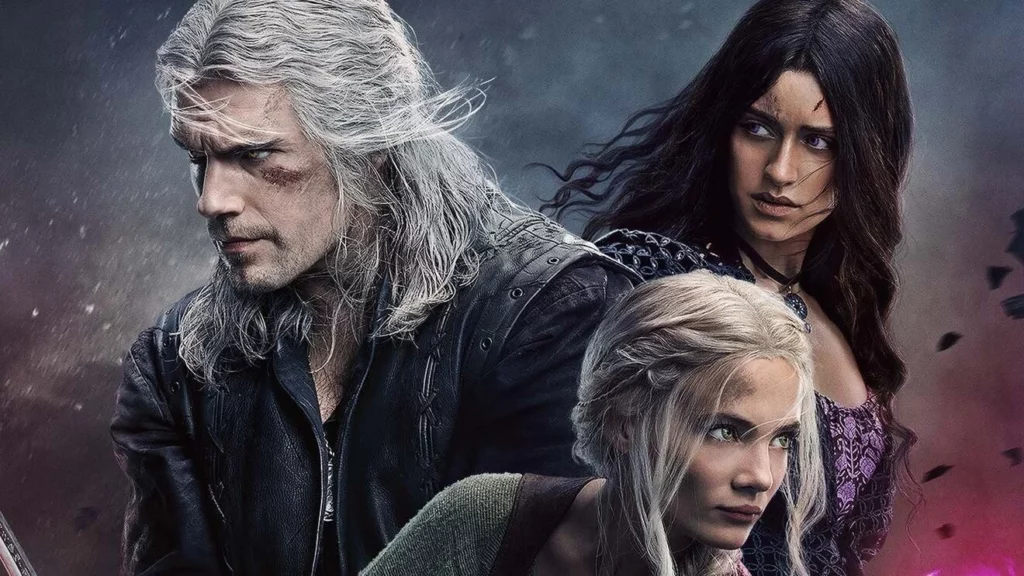
When it comes to adaptations, few can rival the complex worlds crafted in the realm of fantasy literature. One such stunning leap from page to screen is Netflix’s adaptation of Andrzej Sapkowski’s renowned series, “The Witcher.” With its rich lore, intricate characters, and expansive universe, the show raises a compelling question: How does “The Witcher” effectively bring Sapkowski’s intricate world-building to life? In this article, we’ll explore how Netflix’s series draws from the source material while also enhancing it for a modern audience, delving into character development, lore, set design, and overall narrative structure.
Understanding Sapkowski’s Universe
Before diving into the specifics, it’s essential to recognize the depth of Sapkowski’s artistic vision. The Witcher saga is set in a grim yet fascinating world filled with morally ambiguous characters, mythical creatures, and complex political landscapes. The themes of destiny, social injustice, and existentialism run deep, making it a rich tapestry for adaptation. Understanding this foundation allows us to appreciate how the show expands and interprets the material.
The Complexity of Characters
At the core of “The Witcher,” are its multifaceted characters, particularly Geralt of Rivia, portrayed masterfully by Henry Cavill. The complexity of Geralt—his moral dilemmas, relationships, and quest for identity—mirrors the rich character sketches found in Sapkowski’s writings. One significant way the series enhances character development is by providing a deeper insight into Geralt’s inner thoughts and struggles.
Geralt: The Mutant Anti-Hero
In the books, Geralt is often seen as a stoic figure, his emotions masked by a hardened exterior. Yet, the show does an excellent job of peeling back those layers. For example, the show explores Geralt’s relationships with key characters, such as Yennefer and Jaskier (Dandelion). The evolving dynamic between Geralt and Yennefer adds depth to the storyline. By emphasizing their turbulent love affair, the narrative becomes more engaging, allowing viewers to perceive Geralt not merely as a monster hunter but as a deeply flawed individual navigating love and loss.
Yennefer: A Journey of Self-Discovery
Yennefer (Anya Chalotra) is another character whose transformation is vividly brought to life in the series. The show takes considerable liberty in detailing her backstory—her struggles with her deformity, her thirst for power, and her desire for acceptance. This backstory not only aligns with but also expands upon the character’s representation in the books. One poignant scene effectively encapsulates this journey: a powerful moment during her training at the magical academy of Aretuza. The audience witnesses her rise from a crippled girl to a formidable sorceress, thus bringing a rich emotional context that enhances her relationship with Geralt.
Expanding the Lore
One of the most exciting aspects of adaptation is the ability to expand upon the lore without straying too far from the original narrative. The series, particularly in its first season, does an exemplary job of immersing viewers in the depth of Sapkowski’s world through visually stunning storytelling and intricate plots.
The Timeline and Non-linear Storytelling
The non-linear storytelling employed in the first season serves to highlight the complex timelines of the characters’ lives and destinies. While some viewers may initially struggle with the timeline shifts, this approach miraculously reflects the nature of the stories themselves, where moments of fate intertwine seamlessly. The contrasting paths of Geralt, Yennefer, and Ciri are all placed within a web of choices and consequences, offering viewers an experience echoing the themes of destiny present in the literature.
Visual World-building
An essential component of successful world-building is visual representation. The creators of “The Witcher” have gone above and beyond to create a truly immersive experience that matches Sapkowski’s vivid descriptions. Every aspect of the setting, from the rustic villages to the opulent castles, has been meticulously crafted to breathe life into the Land of the North and the Continent as a whole.
[amazon box=”B08XLLF3PG”]
Set Design and Costumes
Set designs throughout the series are a testament to how the show captures the raw majesty of Sapkowski’s universe. For instance, the landscapes of Kaer Morhen—Geralt’s ancient home—portray a haunting beauty that reflects the harsh training grounds for witchers. The attention to detail in costumes, depicting various factions and classes, adds layers of authenticity and allows viewers to feel immersed in the characters’ environments.
The Role of Music and Sound
While both the books and the show rely on strong narratives, the musical score significantly enhances the viewer’s emotional connection. Composed by Sonya Belousova and Giona Ostinelli, the score resonates with the themes presented, punctuating moments of suspense and tenderness alike. The iconic song “Toss a Coin to Your Witcher” has become an anthem among fans, encapsulating the adventurous spirit of the series and exemplifying how music can drive popularity for a show.
Themes of Morality and Human Nature
A defining characteristic of Sapkowski’s writing is the exploration of morality and human nature, threads that are beautifully woven into the fabric of the show. Neither the show nor the book presents a clear dichotomy of good versus evil; rather, characters are shown to exist in shades of gray, making decisions based on personal motives rather than moral absolutes.
Witchers and Monsters
The character of Geralt embodies this philosophical struggle. He fights monsters but often grapples with the question: What truly defines a monster? The show deepens this exploration as Geralt confronts not only terrifying creatures but morally ambiguous humans as well. For example, in “Bald Mountain” (Episode 1, Season 2), Geralt’s encounter with a cursed being illustrates how sometimes the real monsters are not those whom society deems to be “the other.”
Societal Themes
Another aspect that the show explores is the societal issues present in Sapkowski’s work. Issues such as discrimination against non-humans, the struggles of the impoverished, and the manipulation of power are starkly depicted. This exploration is particularly salient in the portrayal of characters like Ciri, who represents hope and resilience amid chaos, juxtaposing the darker themes of the continent.
Conclusion: A Balancing Act
To answer the question, “How does The Witcher bring Andrzej Sapkowski’s books to life?” we see that the show masterfully strikes a balance between honoring the complex narratives, character depth, and rich world-building of the novels while also adapting the story for a modern audience. By enhancing character development, expanding lore, and utilizing stunning visual artistry, Netflix’s “The Witcher” embodies the complexities of Sapkowski’s universe, making it relevant and captivating to both new viewers and die-hard fans alike.
As we anticipate the next chapters of Geralt’s ongoing saga, it’s clear that the intersection of literature and screen is not just about translation; it’s about transformation—a journey that keeps the heart and essence of the original work alive while allowing it to flourish in a new medium. “The Witcher” invites us to explore a world where every choice echoes through the ages, revealing the intersection of fate, love, and the undeniable truth that we create our paths.
In the end, whether through familiar pages or dynamic episodes, the world of “The Witcher” continues to enchant, challenge, and inspire, keeping us at the edge of our seats, eager for what lies beyond the horizon.


