
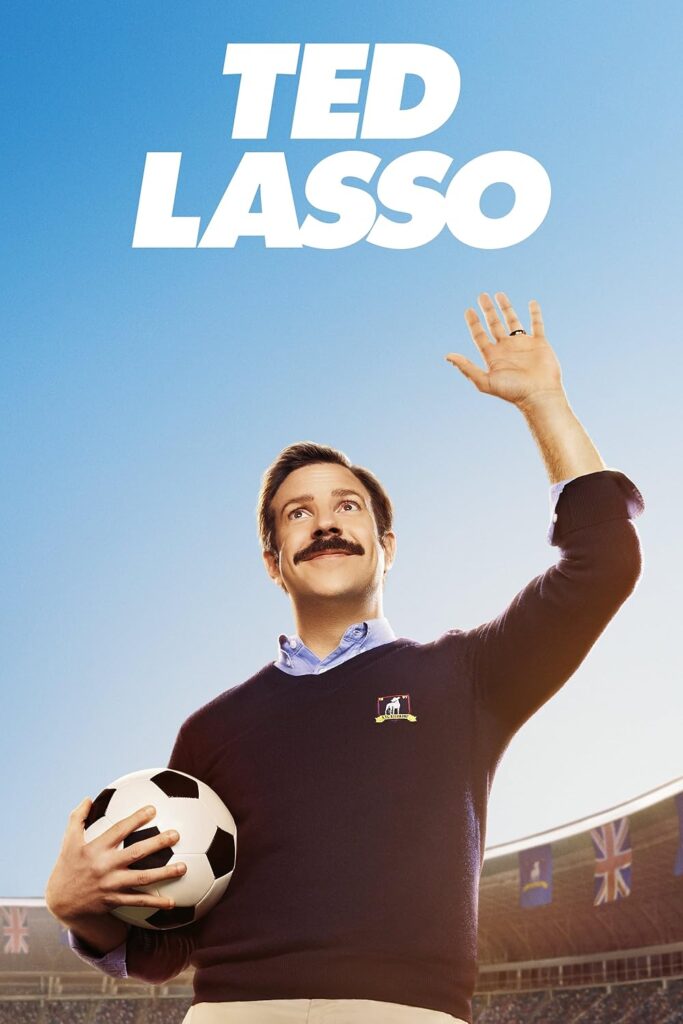
In a not-so-galactic realm where football (that’s soccer to us Yanks) reigns supreme, an unassuming American football coach took the world by storm and turned the soccer-loving nation of England on its head. Ted Lasso, with his infectious optimism, unshakeable spirit, and an uncanny ability to foster camaraderie, became a revolutionary force in the beautiful game. But how did an American cross the Atlantic and find himself at the helm of an English soccer team? More importantly, how did he manage to endear himself to a nation that initially gave him the side-eye? Grab your favorite beverage, settle into your favorite reading nook, and let’s dive into the world of Ted Lasso.
The Birth of Ted Lasso: An Iconic Character Emerges
Long before the hit Apple TV series took the world by storm, Ted Lasso was a character introduced in a series of promotional videos for NBC Sports. Created by Bill Lawrence, Jason Sudeikis, Joe Kelly, and Brendan Hunt, these skits showcased Ted as a bumbling yet endearing American college football coach who was hired to manage a struggling English soccer team, AFC Richmond.
While these ads were humorous and light-hearted, what truly captivated audiences was Ted’s earnest approach to coaching—one anchored in the values of kindness, dedication, and teamwork. This portrayal stirred curiosity and compelled creators to flesh out his character within a bigger narrative framework.
A Show Like No Other: Bridging Cultures Through Comedy
In 2020, “Ted Lasso” made its grand debut as a television series. The show elevated the character to new heights, creating a rich narrative centered around Lasso’s journey at AFC Richmond. It juxtaposed the gritty landscape of English soccer with the bright-eyed, can-do attitude emblematic of American culture.
Within its comedic framework, “Ted Lasso” doesn’t shy away from addressing serious themes: mental health issues, the pressure of performance, and the importance of emotional connections both on and off the pitch. The series artfully combines humor with heartfelt moments, giving viewers a show that’s laugh-out-loud funny while also touching on critical human experiences.
The Cultural Exchange: An American in England
As Ted navigates the treacherous waters of English soccer, audiences are treated to a delightful depiction of cultural misunderstandings and realizations. From mistaken vocabulary to amusing anecdotes about American football, the show highlights the vast differences and similarities between the two worlds—yet, without leaning too heavily into stereotypes.
Ted’s initial struggles with local traditions, like the importance of “pitch” over “field” or understanding the brutal nature of relegation, reflect the real-life experiences of many who venture into unfamiliar territory. However, just as Ted adapts, so too does the audience—allowing for a collective growth throughout the series.
The Power of Positivity: What We Can Learn from Ted Lasso
One of the most powerful themes that runs through “Ted Lasso” is positivity in the face of adversity. Ted embodies the idea that being kind and supportive can have transformative effects, both in sports and in life. His approach, often highlighted through his signature phrase, “Believe,” serves as a morale booster for teams that are struggling, not just in performance but also in spirit.
This philosophy extends beyond soccer. In our own lives, we encounter challenging situations daily. Whether it’s in our professional careers or personal relationships, carrying a positive outlook can significantly alter our paths. Take a cue from Ted Lasso: it’s not just about winning games; it’s about building a strong team where each member feels valued.
Community Over Competition
In a world that often prioritizes cutthroat competition, “Ted Lasso” flips the script. The series demonstrates how fostering community leads to collective achievements. The relationships formed among players, staff, and even rival teams demonstrate the importance of teamwork and the belief that experiencing joy together can lead to success.
As Ted emphasizes, it’s not just about the trophies or accolades but about how we treat one another during the journey. He instills the mantra that the measure of success isn’t just wins and losses; it’s the impact you have on those around you. This heartwarming narrative is a reminder to cherish our connections, focus on personal growth, and uplift those within our circles.
[amazon box=”B08XLLF3PG”]
Meet the Ensemble: Memorable Characters that Add Depth
While Ted Lasso undoubtedly takes center stage, the series skillfully weaves in various characters, each contributing uniquely to the narrative:
-
Rebecca Welton: The club owner (portrayed by Hannah Waddingham), initially hires Ted as part of a scheme to destroy the team. However, through her journey, we see how friendship and trust can emerge from unexpected places.
-
Roy Kent: The aging yet passionate player who struggles with his identity and mental health. His character arc brings depth, highlighting the fragility of masculinity and the importance of vulnerability.
-
Jamie Tartt: The talented yet egotistical player experiences growth and redemption throughout the series. His transformation symbolizes the journey many young athletes face in finding their self-worth beyond their athletic accomplishments.
Each character not only enriches the show but also serves as a mirror for various societal issues, allowing viewers to reflect on their own experiences.
A Global Phenomenon: Ted Lasso’s Impact on Soccer and Beyond
Since its release, “Ted Lasso” has become more than just a popular TV show. Its impact on the sports world and beyond has been palpable. Soccer clubs have noted a spike in fan engagement, in part thanks to Ted’s charm. The series has also reignited interest in the sport in the U.S., leading to conversations about the growing fandom of the Premier League and National Soccer League (MLS).
The show highlights soccer’s universal appeal, bridging cultural divides and fostering a sense of community through shared experiences. It’s not just a story about soccer; it’s about the connections formed through shared journeys.
The Heart of the Matter: Mental Health Awareness
One of the most profound contributions that “Ted Lasso” brings to the table is its candid way of addressing mental health. Through various characters, the series bravely confronts issues like anxiety, depression, and the struggles that come with fame.
Ted himself battles his own demons, proving that even the brightest smiles can mask underlying pain. By normalizing conversations about mental health, the show paves the way for viewers to seek help, creating a society where it’s okay not to be okay.
Why We Need More Ted Lasso in Our Lives
At its core, “Ted Lasso” serves as a heartfelt reminder of the goodness that can be found in human connection. It encourages us to embrace kindness, understanding, and resilience in the face of challenges. Ted’s relentless positivity inspires us to lead with compassion, showing that our actions can significantly impact those around us.
Whether you’re a die-hard soccer fan or someone who just stumbled across the series, there’s something for everyone in this delightful blend of comedy and heart. It challenges the viewer to embrace their quirks, show vulnerability, and work together towards shared goals—be it in soccer, in personal relationships, or the greater community.
Final Whistle: A Cultural Shift
As “Ted Lasso” continues to charm audiences around the world, it’s clear that this American football coach has not just stolen hearts; he has cemented a legacy. By breaking into the world of English soccer, Ted symbolizes the beauty of connection, the importance of community, and the unstoppable power of positivity.
In a time when the world can feel divided and fragmented, “Ted Lasso” harkens a message that resonates—no matter where you come from, as long as you lead with kindness and authenticity, you’ll never be alone. So, grab a pint, relax in your seat, and let Ted Lasso remind you of the power of community—the heart and soul of every match, every friendship, and every life.
Through its expertly crafted narrative, rich characters, and relatable themes, “Ted Lasso” remains an indispensable part of contemporary television. It has given us a brand of optimism that reminds us of our capacity to connect and thrive, both individually and communally. So, as the show continues to evolve, let’s embrace the lessons it imparts and carry them with us, making the world a more empathetic, understanding, and joyful place—just like Ted Lasso would want us to.



