
In an era where streaming platforms are competing fiercely to capture viewers’ attention, The Mandalorian stands out as a shining beacon of innovation and storytelling prowess. This Star Wars spin-off is not only a captivating narrative exploring the corners of the galaxy far, far away, but it also marks a significant milestone in television production. From groundbreaking visual effects to unparalleled production techniques, The Mandalorian has redefined what we expect from television in the streaming age. So, how did The Mandalorian revolutionize television with its innovative technology? Let’s dive deep.
The Birth of a Cultural Phenomenon
Before we get into the technological advancements, it’s essential to recognize the cultural context surrounding The Mandalorian. Premiering on Disney+ in November 2019, it quickly became a sensation, amassing millions of viewers and generating an extensive fanbase. Showrunner Jon Favreau, the creative mind behind the project, combined nostalgia for the Star Wars franchise with fresh storytelling, introducing us to the adventures of a lone bounty hunter, Din Djarin.
While the gripping characters and engaging plots are vital, the way the show was produced is equally impressive. The Mandalorian leveraged cutting-edge technology that shifted the paradigms of traditional television production and set a new standard for what can be accomplished on-screen.
Innovating Visual Effects with Stagecraft
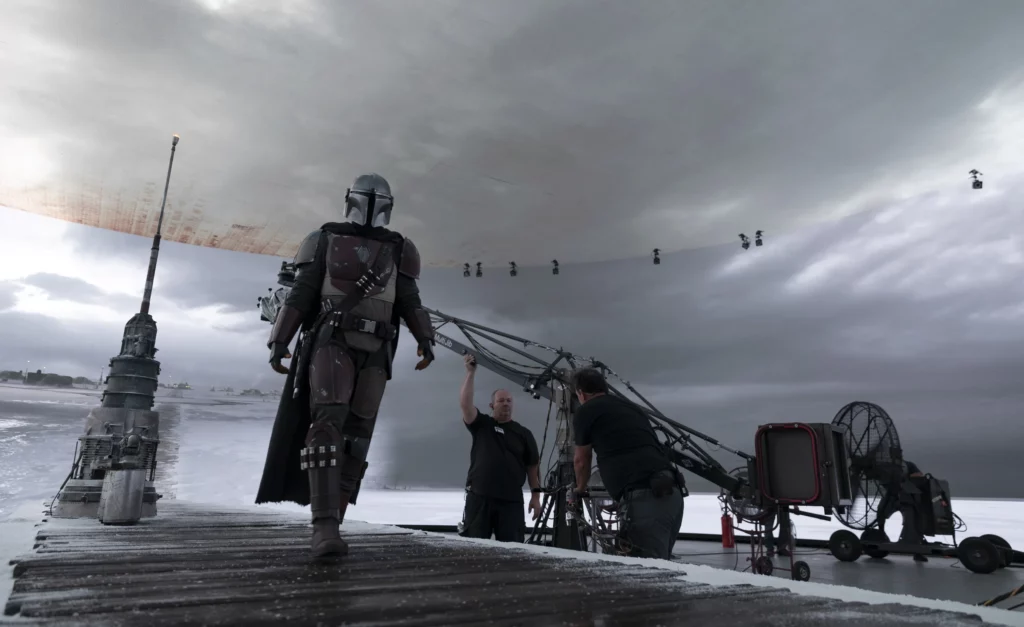
One of the most significant innovations introduced with The Mandalorian is Stagecraft, a state-of-the-art filming technique developed by ILM (Industrial Light & Magic). Unlike traditional green screens that can be limiting in terms of depth perception and environmental realism, Stagecraft uses massive LED video walls to create immersive backgrounds.
How Stagecraft Works
Stagecraft creates a real-time 3D environment around the actors, allowing them to perform against backgrounds that can be adjusted on the fly. The technology is akin to virtual reality but executed on a grand scale. The background scenes are rendered in real-time and respond to camera movements, creating a dynamic and interactive environment.
The Advantages of Realism
This technique allows actors to feel as though they are actually in the environments they portray. The lighting, shadows, and reflections are much more realistic than flat green screens. This realism not only enhances actor performance but also significantly reduces the time and cost associated with post-production. The producers could spend more time focusing on storytelling rather than getting bogged down in heavy visual effects work—a win-win for everyone involved!
Breaking Ground with Filming Techniques
In addition to Stagecraft, The Mandalorian pushes the envelope with innovative cinematography. The series utilizes a method known as virtual production, combining live-action footage with computer-generated imagery (CGI) seamlessly. This hybrid approach allows filmmakers to achieve spectacular results while maintaining a degree of spontaneity and adaptability on set.
Dynamic Camera Work
The camera movements in The Mandalorian are as astonishing as the visuals themselves. By using advanced motion capture technology, cinematographers can now create fluid camera movements that respond to the environment in real-time. This camera technique enables filmmakers to capture everything from sweeping aerial shots to intimate close-ups, all within a single location, effectively making the show feel both expansive and intimate all at once.
A New Era of Sound Design
Sound design plays an essential role in creating an immersive viewing experience, and The Mandalorian does not shy away from innovation in this domain, either. The series employs Dolby Atmos technology, allowing for an audio experience that surrounds the viewer with sound, whether you’re watching at home or in theaters.
The Power of Immersive Audio
By utilizing multi-dimensional audio, viewers can experience the sounds of battle, the hum of the Mandalorian’s ship, or even the distant growls of creatures lurking in the background, all in remarkable clarity and depth. The sound design elevates the storytelling, pulling viewers deeper into the Star Wars universe.
[amazon box=”B08XLLF3PG”]
Collaboration with Experts
Such a groundbreaking project required collaboration with top-tier professionals. From directors and writers to visual effects artists, The Mandalorian assembled a roster of talents who were as passionate about the Star Wars lore as they were about pushing technological boundaries.
In particular, directors like Taika Waititi and Deborah Chow brought their unique visions to the table, resulting in a series that showcased diverse storytelling styles. This level of collaboration not only enhanced the show’s quality but also exemplified how creativity and technology can work hand-in-hand.
Realistic Creature Effects
A hallmark of the Star Wars franchise has always been its impressive array of creatures and alien species. The Mandalorian paid homage to this legacy by employing a combination of practical effects and CGI. The team behind the series focused on creating realistic animatronics and puppetry, which added authenticity to many of the creatures featured.
Balancing CGI and Practical Effects
The balance between practical effects and CGI deserves praise. While CGI can bring creatures to life, practical effects resonate more with audiences. By blending the two, the show commanded the best of both worlds, leading to more authentic interactions on screen. This thoughtful approach underscores the importance of retaining traditional methods while embracing new technologies.
Impact on Future Productions
The success of The Mandalorian has had profound implications for future television and film productions. Its innovative techniques have sparked discussions within Hollywood, encouraging other studios to explore similar technologies. The industry is now witnessing a shift, with many other shows and movies beginning to implement virtual production techniques and enhanced sound design to replicate the immersive experience pioneered by The Mandalorian.
Encouraging Creativity Across Genres
The impact of The Mandalorian goes beyond just the Star Wars franchise. Its technological advancements have opened new avenues for storytelling across genres. Benefiting from these innovative approaches, creators in sci-fi, fantasy, horror, and even historical dramas can now elevate their narratives, pushing the boundaries of audience engagement.
A New Standard for Streaming Services
The Mandalorian’s production model sets a new standard for streaming platforms. As traditional cable networks struggle, streaming services that prioritize bold storytelling and cutting-edge technology will likely lead the market. Disney+ has proved that investing in innovative storytelling methods will undoubtedly pay off, reshaping how viewers interact with content in the long term.
Conclusion: The Legacy of Innovation
The Mandalorian is more than just a hit show; it is a blueprint for the future of television production. Through its use of Stagecraft, advanced cinematography, immersive audio, and intricate creature effects, it has redefined what audiences can expect from a television series in the streaming age.
As viewers, we are now more engaged than ever with the story’s universe, drawn in by the impressive blend of technology and creativity. Looking forward, The Mandalorian has paved the way for other shows to follow suit, unveiling a new era of storytelling where anything is possible.
In a galaxy far, far away, the force of innovation continues to thrive, ensuring that The Mandalorian will be remembered for years to come—not just as a great addition to the Star Wars lore, but as a groundbreaking achievement in the world of television. Whether you’re a die-hard Star Wars fan or a curious newcomer, The Mandalorian is a testament to the power of innovation in storytelling, forever changing the way we experience television.
As we continue to embrace these advancements in technology, we can only hope that the future of television will be as exciting and imaginative as the stories we’ve come to love in The Mandalorian and beyond. Whether you’re re-watching the latest episodes or exploring the galaxy through a brand-new lens, one thing is clear: the legacy of innovation is here to stay. Happy watching!


