
The miniseries “Chernobyl,” which aired on HBO in 2019, has been lauded not only for its gripping storytelling and powerful performances but also for its astonishing attention to detail. As viewers, we are transported back to one of history’s most devastating nuclear disasters, the Chernobyl nuclear power plant explosion of 1986. While some may wonder how a show could achieve such a level of realism, we dive deep into the behind-the-scenes efforts, discussions, and decisions that culminated in this award-winning series. If you are hungry for knowledge about this cautionary tale, keep reading to learn more about the production that went into making “Chernobyl” and discover how it represents history with integrity.
The Importance of Authenticity in Historical Dramas
When telling historical stories, especially tragedies like Chernobyl, authenticity is of utmost importance. Authenticity elevates the narrative, allowing viewers to connect to the characters, emotions, and events in a meaningful way. Creator Craig Mazin and executive producer Carolyn Strauss recognized this challenge and set a high bar for themselves. Their objective was not only to recount the disaster but also to emphasize the human experiences and systemic failures surrounding it.
The first step in achieving this authenticity was in extensive research. The team relied on a wealth of primary sources, including books and accounts from those who lived through the tragedy. One of the more notable resources was “Voices from Chernobyl,” authored by Svetlana Alexievich, a Nobel laureate whose interviews with survivors shed light on the personal experiences relating to the disaster. By incorporating real stories into the narrative, the writers ensured that the show was both respectful to the actual victims and illuminating for viewers.
Meticulous Production Design
Just as important as the script were the visuals that brought Chernobyl to life. The production design team meticulously recreated the look and feel of Soviet-era Ukraine and the power plant itself. Lead production designer Luke Hull and his team were tasked with capturing not just the physical environment but the essence of a bygone era.
One of the challenges was accurately portraying the Chernobyl plant and the city of Pripyat, which had been abandoned since the disaster. The set designers scoured locations in Lithuania, where much of the filming occurred, to find buildings and urban landscapes that could resemble the stark Soviet architecture. Special attention was paid to the color palettes; the use of greys, greens, and browns created a sense of desolation that permeated the atmosphere.
They looked at historical photographs and archives to ensure the depiction of the location and its artifacts—uniforms, machinery, and even the bureaucracy—was as accurate as possible. The result? Stunning visual representation that echoed the bleak reality of the event.
Authentic Costumes: Dressing the Characters
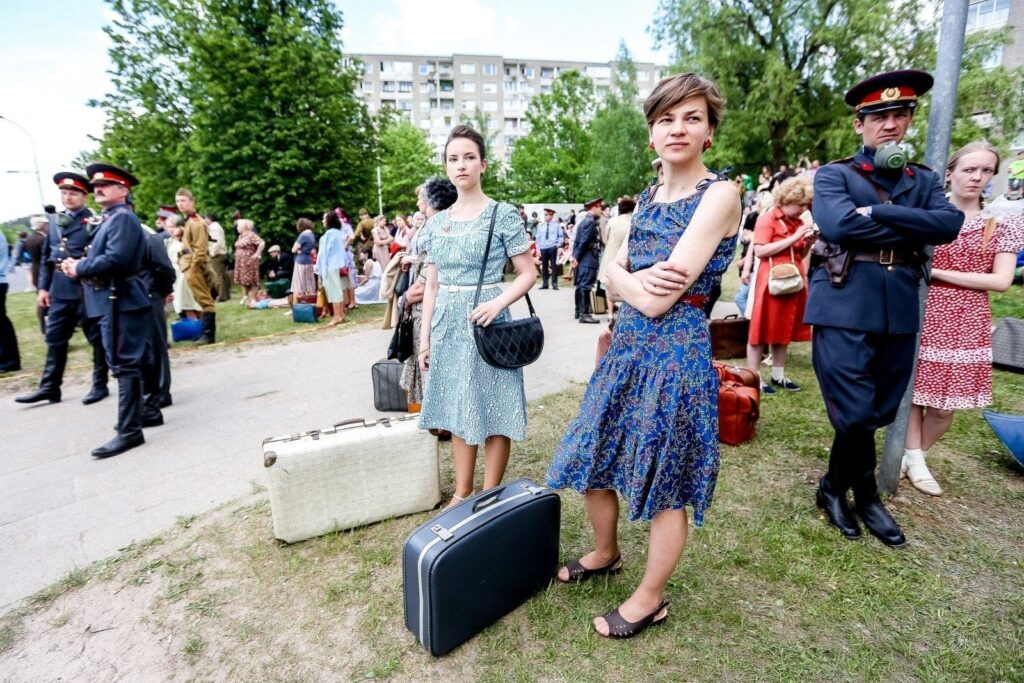
In tandem with the production design, costume design was another critical aspect that reflected the authenticity sought by the creators. Costume designer Jonny Stroud had the mission of dressing actors in clothing that depicted the Soviet style of the time accurately. From the uniforms worn by plant operators and military personnel to the everyday clothes of civilians, each piece was carefully chosen to resonate with the historical context.
Attention to detail extended even to the colors and styles of clothing, which were emblematic of Soviet culture. The use of muted colors, bulky outerwear, and practical footwear were carefully selected to mirror the reality of life in the 1980s Soviet Union. Stroud’s team also utilized period-appropriate accessories, such as watches and eyeglasses, to complete the transformation, further immersing the audience into the world of Chernobyl.
Casting: Finding the Right Faces
Not only does every line of dialogue hold significance, but so too does the casting of the show’s characters. The production team sought actors who could embody the essence of the individuals they portrayed while also telling the broader story of humanity, sacrifice, and disaster.
Having talents like Jared Harris, Stellan Skarsgård, and Emily Watson not only added considerable star power but also brought seasoned performances that added weight to their roles. Each actor underwent extensive research to better understand their character’s motivations and circumstances, contributing to the show’s strong performances.
For instance, Harris, who played Valery Legasov, a key figure in the response to the disaster, immersed himself in understanding the scientist’s background and emotional struggles. Such dedication from the cast was essential in delivering performances that were both gripping and authentic.
Sound Design and Score: An Auditory Experience
An often-overlooked area of production that contributes immensely to a show’s overall impact is sound design. In “Chernobyl,” the auditory elements were crafted to enhance the storyline and immerse viewers in the narrative. Composer Hildur Guonadóttir, who later won an Emmy and an Oscar for her scores, created a haunting musical backdrop that underscored the emotional resonance of the events depicted.
The sound design team also paid close attention to the ambient noises in various scenes. The unsettling sounds of sirens, the chaos of emergency response units, and the harrowing silence in deserted buildings were meticulously crafted to evoke a visceral response from the audience. The sound effects amplified the tension and intensified the emotional stakes throughout the series.
[amazon box=”B08XLLF3PG”]
The Influence of Filmmaking Techniques
Craig Mazin’s direction and approach to cinematography also played a significant role in the show’s success. The use of natural lighting, inventive camerawork, and impactful visuals added to the authenticity and immersive experience. The camera often lingered on faces, capturing momentary emotions and visceral reactions that made even the harshest realities more relatable.
Furthermore, the choice to interweave timelines—showing both the immediate aftermath and the longer-term consequences of the disaster—enabled a multi-dimensional understanding of Chernobyl’s impact. Viewers witnessed the urgency of panic alongside the poignant reflections of those who had lived through or been affected by the disaster.
Building the Narrative: A Human-Centered Approach
While the technical details undoubtedly contribute to the show’s authenticity, “Chernobyl” shines in its focus on the human experience. The series chose to delve into the lives of lower-tier officials, plant workers, and civilians, showcasing their bravery, fears, and tragedy. This narrative choice highlighted the widespread impact of the disaster and humanized the events, making it relatable to audiences worldwide.
By prioritizing the personal stories of sacrifice and resilience, the creators were able to underscore the thematic elements of truth, accountability, and the human condition. This powerful storytelling approach resonates with viewers long after the final credits roll, demonstrating that history is not merely a series of facts but a tapestry woven from individual experiences.
Questions of Ethics and Accountability
Another layer of depth in the series revolves around the ethical dilemmas faced by decision-makers in the aftermath of the Chernobyl explosion. The miniseries raises questions about power dynamics, governmental accountability, and the fragility of truth amidst bureaucratic chaos. These themes are timely and long-reaching, resonating with contemporary audiences as similar issues persist today.
The series masterfully prompts viewers to consider the weight of their actions and the lengths to which individuals will go to protect their interests, while also showcasing the courage of those who risked everything to tell the truth. Such questions of ethics serve not only as a reflection on the past but also as a relevant commentary for our present and future.
The Global Impact of “Chernobyl”
Despite the series’ notable commitment to accuracy, it also sparked discussions about representation and the portrayal of tragic historical events in popular culture. Viewers began to contemplate the responsibility of filmmakers when recreating real-life tragedies, with conversations emerging around the potential for dramatization to oversimplify or overlook certain aspects of history.
Ultimately, “Chernobyl” has ignited a newfound interest in the disaster, prompting visitors worldwide to seek opportunites to explore the real-life remnants of this haunting narrative. The Chernobyl Exclusion Zone, formed after the disaster, has turned into a destination for travelers interested in learning about the event firsthand. Guided tours explore abandoned towns like Pripyat and provide insights into the responses to the disaster, reminding us of the past while emphasizing the necessity of remembering its lessons.
Conclusion: A Powerful Representation of Truth
In conclusion, “Chernobyl” stands as a remarkable example of how a miniseries can achieve stunning attention to detail through meticulous research, authentic production design, casting, and direction. It highlights the human experience while confronting us with the complex questions that arise in the face of disaster and systemic failure.
The show resonates with audiences not just for its harrowing story but for its commitment to preserving the truth behind the catastrophe. As we reflect on the lessons drawn from Chernobyl, we are reminded of the importance of accountability, remembrance, and the fragility of our shared humanity. If you haven’t already, diving into the depths of “Chernobyl” will prepare you to embrace the complexity of history—the human stories it holds and the crucial questions it raises for our future.


