
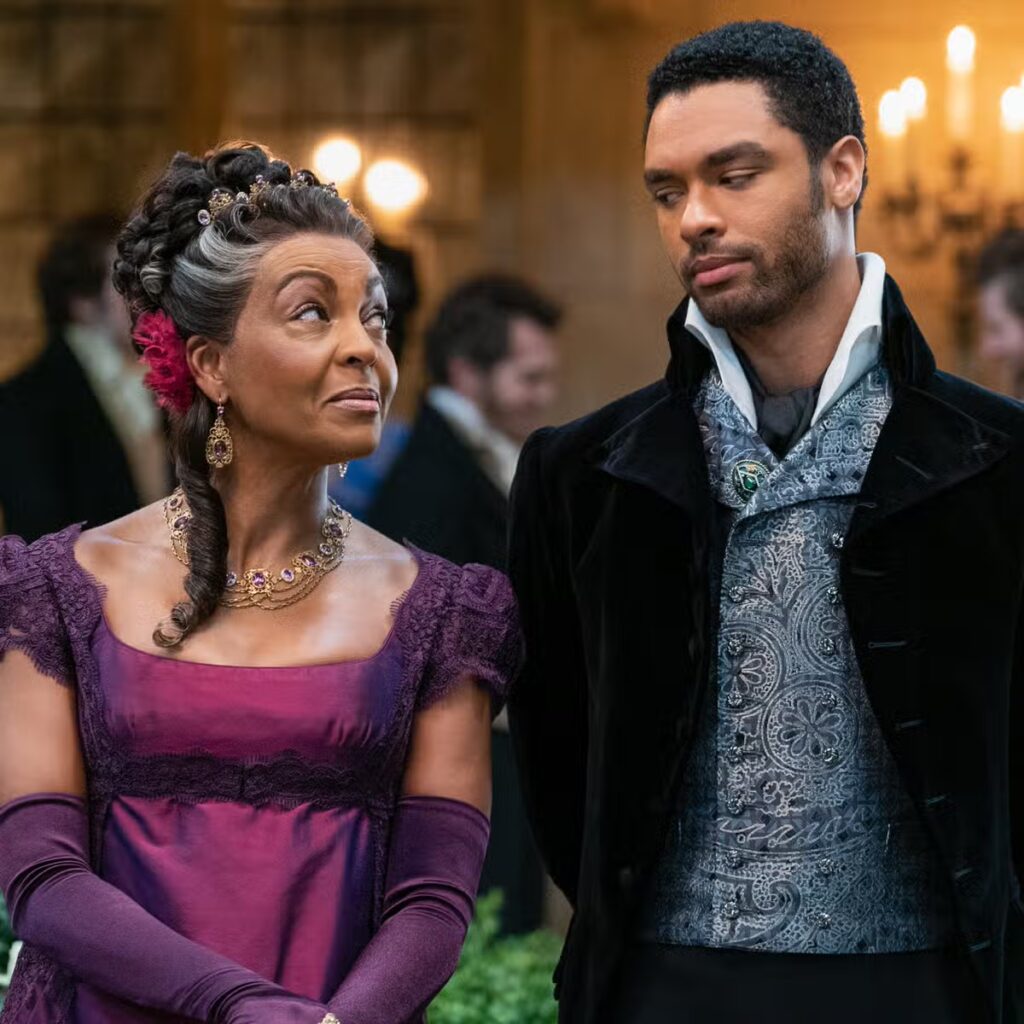
The lavish world of Regency-era England has captivated audiences for centuries, but never before has it seen a resurgence quite like the one ignited by Netflix’s “Bridgerton.” Since its debut in December 2020, Shondaland’s romantic series has redefined what period dramas can achieve, both creatively and in terms of viewer engagement. With its colorful aesthetic, diverse cast, and modern storytelling, “Bridgerton” has paved the way for a new wave of period dramas. In this article, we explore the seismic shifts that the show has prompted within the genre and how it has inspired a new generation of shows.
The Shifting Landscape of Period Dramas
For years, period dramas were often seen as stuffy, overly formal adaptations of classic literature. Series tended to focus on historical accuracy and traditional narratives, often sidelining the vibrancy of the cultural context they depicted. Shows like “Pride and Prejudice” and “Downton Abbey,” while beloved, typically adhered to established conventions in terms of storytelling, character development, and visual style. Enter “Bridgerton,” which turned much of that on its head.
Breaking the Mold: A Feast for the Eyes
One of the most noticeable impacts “Bridgerton” has had on the period drama landscape is its aesthetic. The series combines a visually stunning palette with elaborate costumes, drawing viewers into a world that feels both familiar and refreshingly new. The sets are opulent, and the attention to detail is meticulous, but it’s the vibrant colors, bold design choices, and contemporary fashion influences that have set it apart.
The cultural relevance of this stylistic approach cannot be understated. Fashion-forward costumes, sometimes featuring modern flair, resonate with younger audiences who may not be drawn to the traditional representations of historical dress. This visual appeal extends to online platforms, where fans create and share content, from Pinterest boards brimming with Regency-inspired looks to TikTok videos showcasing “Bridgerton” aesthetics. The result is a period drama that feels accessible, engaging, and inspiring.
Diverse Storytelling: A New Standard
“Bridgerton” stands out not only for its visuals but also for its commitment to diversity. In a genre often criticized for its historical exclusivity, the casting in “Bridgerton” challenges the status quo. The show’s inclusion of actors of various ethnic backgrounds serves as a reminder that history encompasses a wide range of experiences and perspectives. This representation has encouraged other productions to adopt a more inclusive approach, paving the way for broader narratives in period dramas.
Shows like “Sanditon” and “The Nevers” have followed suit, each emphasizing diversity in casting and storytelling. This shift opens doors for underrepresented voices and stories to be told, giving audiences a richer understanding of the period beyond the confines of white, Western narratives. The cultural implications are vast, and as these new stories emerge, they elevate the genre as a whole.
Championing Female Narratives
At the heart of “Bridgerton” is a focus on complex female characters who defy societal expectations. Daphne Bridgerton (Phoebe Dynevor) and the other Bridgerton sisters are depicted as ambitious, passionate, and outspoken. This portrayal contrasts sharply with the traditionally passive roles often assigned to women in historical dramas. The result? A fresh exploration of female agency, desire, and independence.
The ripple effect of this powerful representation can be seen in other recent period series such as “The Gilded Age” and “Anne Boleyn.” These shows again put women at the forefront, exploring not only their romantic entanglements but their struggles for self-identity and agency in patriarchal societies. As the genre moves forward, expect to see even more powerful female narratives that reflect the complexities of modern womanhood.
The Social Media Renaissance
The world of social media has played an integral role in “Bridgerton’s” success and its impact on subsequent period dramas. The show’s catchy marketing slogans, such as “Reggie meets Regency,” have sparked viral memes across platforms like Twitter and Instagram. Fan accounts, dedicated to dissecting episodes and character arcs, have sprung up, creating a sense of community that transcends geographical boundaries.
This social media renaissance has reshaped how audiences engage with period dramas. Shows are no longer consumed passively; they become topics for social discussion and collaboration. Viewers form theories, participate in discussions, and even craft their fan fiction. This engagement shapes how new shows are developed, with producers increasingly aware of the power of online fanbases.
[amazon box=”B08XLLF3PG”]
The Era of “Binge-Watching”
Another significant change ushered in by “Bridgerton” is the shift towards binge-watching. Traditional television formats often consisted of weekly episodes, with viewers having to wait for new installments. However, the release of “Bridgerton” as a full season enabled audiences to indulge in marathon viewing sessions. This approach not only fueled anticipation but also encouraged deeper emotional investments in the story arcs, character developments, and overall narrative.
As a result, more recent period dramas have adopted this binge-friendly structure. Series like “The English” and “The Pursuit of Love” offer similar full-season drops, catering to audiences who prefer the freedom to consume content at their own pace. This flexibility changes the landscape of period dramas, as shows are designed not just for episodic excitement but for long-term emotional engagement.
The Influence on New Shows
Following the groundbreaking example set by “Bridgerton,” a new wave of period dramas has entered the arena, each reflecting elements of the show’s success while carving out their unique identities.
“Queen Charlotte: A Bridgerton Story”
A direct spin-off from the original series, “Queen Charlotte” follows the early years of one of “Bridgerton’s” most compelling characters. The show delves into her rise to power, tackling themes of love, loss, and the burden of royalty. By exploring a character that many viewers adore, this prequel aims to tap into the eager audience that “Bridgerton” has already cultivated. The series continues the trend of rich visual storytelling while further deepening the diverse narrative landscape established by its predecessor.
“The Gilded Age”
Set in 1880s New York City, “The Gilded Age” portrays the clash between old money and new, focusing on the intricate social fabric of the time. The show emphasizes strong female leads and various narratives that highlight the rapidly changing socio-political landscape. Drawing inspiration from the expectations laid out by “Bridgerton,” it combines lush visuals and complex characters while embracing themes of ambition and societal aspiration.
“Sanditon”
From the mind of Jane Austen, “Sanditon” initially faced challenges but has taken cues from “Bridgerton” to bolster its appeal. Its second season is set to explore deeper relationships and engagement with its characters, driven by its diverse casting and modern storytelling. The show’s willingness to adapt a classic Austen work to contemporary norms demonstrates a commitment to innovation and inclusivity.
“The Nevers”
This fantasy period drama from HBO is unique for its blend of supernatural elements with social commentary. Set during the Victorian era, “The Nevers” reveals the lives of women with extraordinary abilities navigating a world that fears them. While its genre straddles the line between historical and fantasy, the show still embodies the spirit of agency and empowerment established by “Bridgerton.” The willingness to venture into unconventional territory indicates that the landscape of period dramas is expanding.
Conclusion: A New Dawn for Period Dramas
In many ways, “Bridgerton” has not only reshaped the genre for the present but has also laid a robust foundation for the future of period dramas. The seismic impact of the show—a vibrant aesthetic, rich diversity, empowered female narratives, and a deepened interactive audience—signals a renaissance period for storytelling. Viewers are no longer merely passive consumers but active participants invested in the world created by the characters. As producers take cues from “Bridgerton,” we can expect a flurry of innovative and dynamic period dramas that honor the complexity of human experience, infuse contemporary relevance into classic narratives, and, most importantly, continue to engage viewers on a grand scale.
As we look toward the horizon, it seems clear: the bridges “Bridgerton” has built are only the beginning of an exciting journey into the breathtaking world of period dramas. Whether you’re a die-hard Regency fan or a newcomer to the genre, there has never been a more thrilling time to indulge in the stories that redefine our historical narratives. So grab your popcorn, settle in, and enjoy the ride through the opulent visuals, rich stories, and layered characters that await. Happy watching!


