
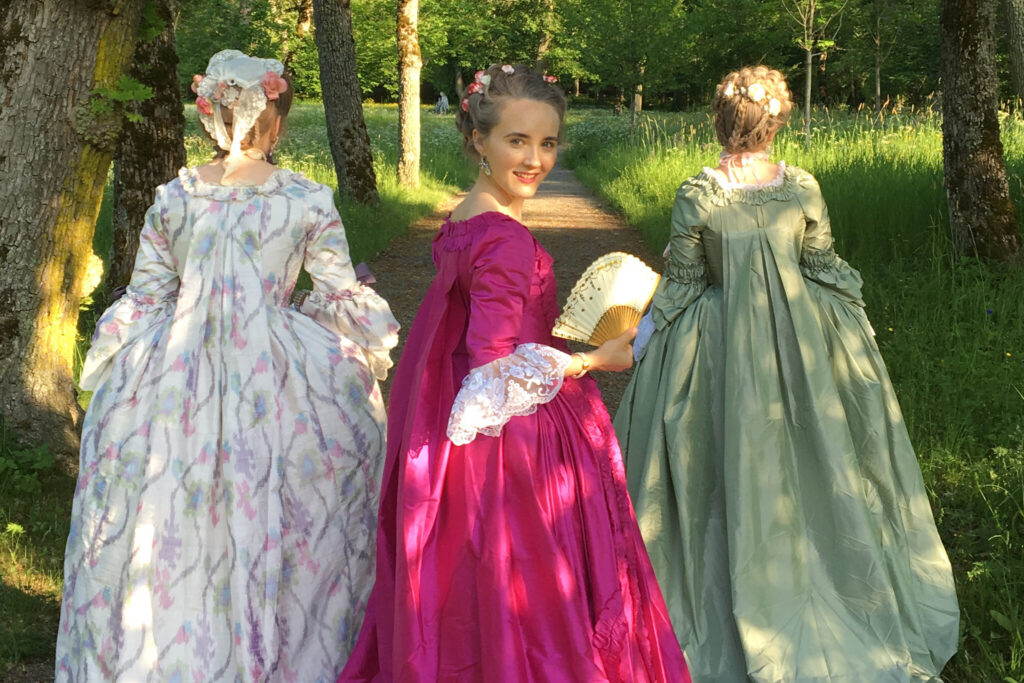
The moment Netflix released its groundbreaking series “Bridgerton,” a Victorian-esque world of lavish balls, romantic entanglements, and, of course, stunning fashion unfolded before audiences. For many viewers, the costumes were as mesmerizing as the love stories themselves. But how well do the extravagant gowns and dapper suits reflect the historical context of the Regency period? In this article, we’ll delve into the intricate costume design of “Bridgerton,” examining both the beauty of the garments and their historical accuracy.
A Symphony of Colors and Textures
One of the first things that strikes viewers about “Bridgerton” is the bold use of color. Unlike many period dramas that often favour muted and earth-toned palettes, “Bridgerton’s” costumes burst with rich hues and diverse fabrics. From Daphne Bridgerton’s pastel ball gowns to the deep jewel tones worn by characters like the fierce Lady Danbury, the show’s visual feast was designed to captivate.
Costume designer Ellen Mirojnick didn’t shy away from experimenting, intentionally juxtaposing colors and patterns to reflect the characters’ personalities and social standings. For example, Daphne’s inaugural ball gown, an ethereal white and champagne confection, symbolizes her innocence and fresh entry into society. In contrast, the unapologetically bold outfits worn by characters such as the unapologetically confident Queen Charlotte showcase an overarching theme of empowerment and individuality.
The Influence of Modern Fashion
Mirojnick merges contemporary fashion with historical ideals, creating a unique blend that feels both fresh and familiar. Some designs echo modern-day styles with plunging necklines, dramatic puff sleeves, and daring cuts. While Edwardian fashion did feature elements of extravagance, the radical interpretations made for “Bridgerton” offer a nod to modern aesthetics, inviting today’s audience to appreciate historical fashion in a new light.
Let’s not forget the notable use of accessories. Jewels, feathers, and even hairpieces are meticulously selected to complement each outfit while suggesting status and wealth. In every aspect, from the layers of tulle to the intricately beaded bodices, Mirojnick taps into the zeitgeist of the Regency era while embracing a modern twist.
Historical Context: The Regency Period
To fully appreciate the costume design in “Bridgerton,” it’s essential to understand the historical backdrop from which it springs. The Regency era, spanning from 1811 to 1820, was a time of social change and cultural dynamism in England. The era is marked by a transition from the ornate styles of the Georgian period to the more restrained elegance that would arise in the Victorian age.
Fashion during this time was a reflection of societal norms and changes. With the emergence of a wealthier middle class, clothing became a status symbol, allowing for radical shifts in how individuals expressed their identities. The shift towards lighter fabrics such as muslin became prevalent for women, aligning with the Romantic sensibility of the time. As fashion evolved, so too did attitudes toward femininity and class — themes that “Bridgerton” plays upon with great finesse.
The Influence of Social Dynamics on Fashion
The characters in “Bridgerton” embody the complexity of Regency fashion — often dictated by their social standing. The Bridgerton family, for instance, rides the line between the aristocracy and the rising middle class, which becomes apparent in their sartorial choices. The subtle differences in dress not only showcase wealth but also hint at personality traits and social ambitions.
Lady Danbury stands out as a formidable figure whose wardrobe communicates both authority and elegance. Her choices often combine the regality of a matriarch with the vibrancy of her shrewd character, reinforcing the notion that the costuming isn’t merely decorative but tells a story about who the individuals are.
Crafting the Costumes
The creative process behind the costumes is as fascinating as the garments themselves. Mirojnick collaborated with a talented team of seamstresses and artisans to bring her visions to life. Each piece undergoes an intricate design and fitting process, maintaining both aesthetic and functional integrity. A unique aspect of “Bridgerton” was the emphasis on body positivity and diverse representations of beauty, showcasing actors of different sizes and shapes in corsets and gowns.
Mirojnick utilized historical research to inform her designs but allowed for freedom in creating a fantasy. Each gown was painstakingly crafted to blend elements of historical accuracy with artistic interpretation. Though many fabrics and styles are rooted in authentic period pieces, how these garments engage a modern audience is what sets “Bridgerton” apart.
[amazon box=”B08XLLF3PG”]
The Iconic Gowns: A Closer Look
Let’s take a moment to discuss a few iconic gowns that have garnered significant attention.
-
Daphne’s Wedding Gown: When Daphne Bridgerton makes her way down the aisle in her ivory wedding gown, viewers are treated to an immaculate vision of Regency elegance. This gown not only showcases stunning embroidery and delicate lace but also serves as a visual metaphor for Daphne’s journey from innocence to maturity.
-
Siena’s Daring Attire: Siena Rosso, portrayed as Duke Simon Basset’s love interest, displays flapper-like elegance in seductive gowns. Mixing elements of Regency and the glamour of the jazz age, her costumes perfectly articulate her magnetic presence and the challenges of her position.
-
Lady Danbury’s Opulent Robes: Emphasizing richness and authority, Lady Danbury’s wardrobe features lavish fabrics, regal collars, and ornate patterns. Each outfit reveals a woman who navigates the intricacies of high society with grace and power.
The Intersection of Costumes and Characterization
What makes “Bridgerton” truly remarkable is the seamless integration of costume design and character development. Clothing often reflects inner struggles and aspirations. This union of aesthetics and narrative allows viewers to engage deeper with the characters’ journeys, establishing the show not merely as a visual spectacle but as a profound exploration of society, freedom, and identity.
Take the duke’s garments, for example. The sharp tailoring of Simon Basset’s suits signals not only his status but also reflects the inner turmoil associated with his character. Each outfit reveals a layering of emotion, serving as a barometer for his growth throughout the series.
The Role of Fashion in Social Commentary
Fashion, especially in “Bridgerton,” serves a dual function—it indicates social status while simultaneously allowing characters to express individuality within the constraints of societal norms. This commentary on the social realities of the Regency era is striking; attractive, lavish clothing becomes emblematic of aspirations, constraints, and breaking free from societal expectations.
Through the characters’ interactions and the costumes they wear, the show makes astute observations about race, class, and gender. Queen Charlotte’s gowns are not just lavish; they challenge the notion of a singular narrative regarding Regency fashion and reveal how different identities coexisted during the era.
Concluding Thoughts: A Harmonious Fusion of Art and History
“Bridgerton” redefines our perception of period dramas. In many ways, the costumes are a character unto themselves—providing insight, eliciting emotion, and enriching the narrative. While the show takes creative liberties with historical accuracy, the overarching homage to the complexities of Regency fashion is undeniable.
As viewers, we are not only left entranced by the rich textiles and bold designs but also compelled to consider the narratives embedded within these astonishing garments. Ellen Mirojnick, along with her talented team, created a world where gowns spin tales and every fabric choice is laden with meaning.
“Bridgerton” invites audiences not just to witness a story rendered in breathtaking beauty, but to reflect on the ways fashion intertwines with history, identity, and the ever-persistent quest for belonging. Behind every elegant gown lies the legacy of a period that continues to influence fashion today, inviting us all to dream, aspire, and ultimately, to dress our truest selves.
So the next time you binge-watch “Bridgerton,” take a moment to appreciate the artistry behind each gown and imagine the world that inspired such creativity. In the end, history and fashion are inextricably linked—and through the tale of the Bridgertons, we discover that the past is not just a place we visit; it’s a narrative we continue to weave into our lives.


