
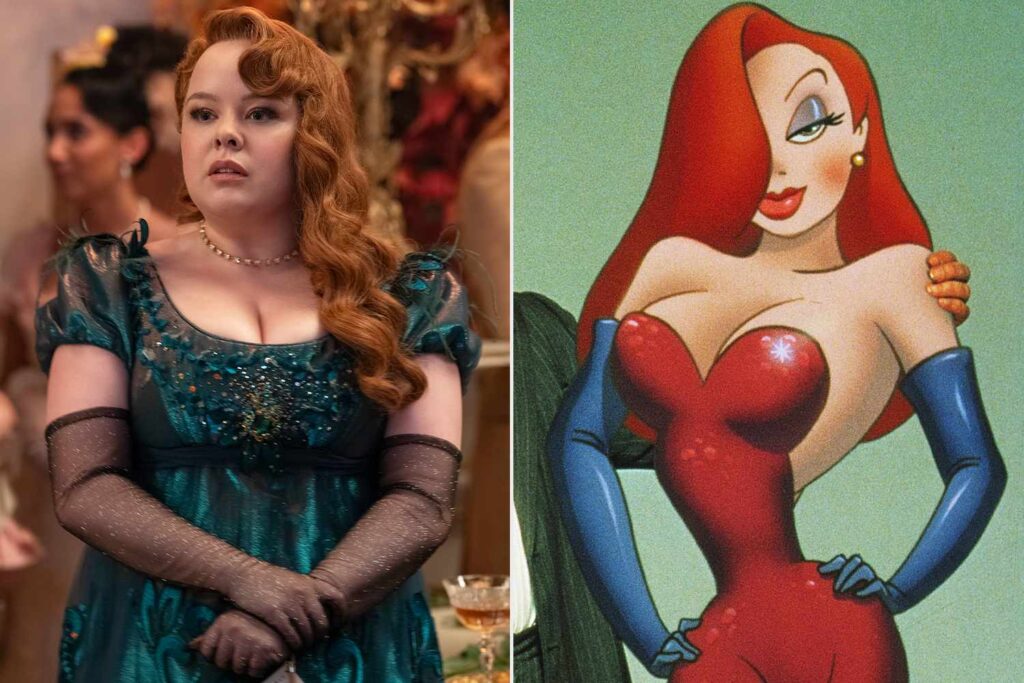
If you’ve ever found yourself entranced by the lavish ballrooms, splendid costumes, and dramatic romances of Netflix’s Bridgerton, you’re not alone. This period drama, based on Julia Quinn’s bestselling series of novels, has taken the world by storm since its debut. But as you bask in the Regency-era glamour, have you ever wondered about the real-life inspirations behind the beloved characters? In this article, we’ll explore the history, culture, and individuals that ignited the creative spark for Bridgerton’s fascinating cast.
A Taste of Regency England
Before we dive into the characters themselves, let’s set the stage. The story unfolds in early 19th century England, a time marked by wealth, social stratification, and, of course, the intricate dance of courtship. The Regency period (1811-1820) was characterized by extravagant lifestyles among the upper class, including social events that could make or break a family’s reputation. This opulent backdrop is essential to understanding the characters of Bridgerton; their motivations, struggles, and aspirations are intrinsically linked to the norms and values of their time.
Daphne Bridgerton: The Diamond of the Season
Daphne Bridgerton, the eldest Bridgerton daughter, is at the heart of the story. Her idealism, charm, and desire to find true love resonated with many viewers. But who inspired Daphne? While she is a fictional character, Daphne exhibits qualities that align with historical figures of the time.
One possibility for Daphne’s influence is the real-life figure of Elizabeth Bennet from Jane Austen’s Pride and Prejudice. Like Daphne, Elizabeth navigates the complex social rules of her time, displaying intelligence, wit, and a keen sense of independence. The pressure to find a suitable husband mirrors Daphne’s struggles to secure a match, despite her family’s expectations. Both characters reflect a shift in women’s roles during the Regency, embracing more autonomy while balancing tradition.
Simon Basset: The Duke of Hastings
Simon Basset, the brooding Duke of Hastings, captures the essence of romantic heroism with his charming yet tortured demeanor. His deep backstory speaks to the societal constraints placed on men of his class—expectations to marry, produce heirs, and uphold family honor. Simon draws parallels with historical figures like the Duke of Wellington or even Lord Byron, who both embodied the dramatic spirit of the era.
Additionally, Simon exhibits characteristics reminiscent of the Byronic hero—a literary archetype featuring a dark, mysterious figure with a troubled past. This trope can be traced back to the Romantic poets like Byron himself, whose life was filled with scandal and tumult. Simon’s struggles with his father and the fear of intimacy breathe life into this archetype, reminding us of the real stories of men who faced similar battles in a society that often stifled emotional expression.
Penelope Featherington: The Secret Scribbler
Few characters in Bridgerton have garnered as much admiration as Penelope Featherington, who lives a double life as the anonymous gossip columnist Lady Whistledown. Her struggle between societal expectations and personal ambition resonates with many. Penelope’s character likely finds inspiration in literary figures such as Mary Shelley or Charlotte Brontë, who dared to challenge societal norms and carve their path in an era when women’s voices were often silenced.
Penelope also reflects the often-overlooked friendships among women during this era, highlighting the value of female camaraderie in a society steeped in competition. Her loyalty to her friends, including Daphne, speaks volumes about the bonds women forged amidst the societal challenges they faced.
Anthony Bridgerton: The Reluctant Leader
As the eldest Bridgerton son, Anthony has a significant responsibility on his shoulders—to protect and provide for his family. His character draws inspiration from real-life figures who may have had similar roles within their families. The responsibility placed on eldest sons during the Regency was immense, often forcing them into roles of leadership they weren’t prepared for.
A potential historical parallel could be found in figures like George IV, who faced immense pressure to uphold family legacy while grappling with personal conflicts. Anthony’s evolution from a stern guardian to a passionate lover reflects the journey many men underwent during Regency England, balancing traditional roles with personal desires.
Lady Danbury: The Matriarchal Force
Lady Danbury is a force of nature within the Bridgerton universe. A strong, outspoken woman, she challenges societal norms and embodies the strength of matriarchal figures in history. Her character can be seen as a blend of real influences—possibly drawing from the likes of strong women in history such as Lady Mary Wortley Montagu, an advocate for women’s rights and education, who openly challenged societal expectations for women of her time.
Lady Danbury’s fierce loyalty and unapologetic spirit demonstrate the pivotal role of older women in Regency society. Often serving as mentors and advisors, women like Lady Danbury could wield considerable influence, sometimes more than their male counterparts. Her character encourages viewers to recognize the power that older generations can offer as they navigate the complexities of love and family dynamics.
[amazon box=”B08XLLF3PG”]
The Featherington Sisters: Fashion and Femininity
The Featherington sisters—Prudence, Philippa, and Hyacinth—underscore the importance placed on appearance and fashionable finesse during the Regency era. They highlight the societal pressure on women to marry well and secure their futures through strategic alliances. Their flamboyant styles may draw inspiration from real-life fashion icons of the time, such as Georgiana Cavendish, the Duchess of Devonshire, known for her extravagant wardrobe and influence in high society.
The Featherington sisters exemplify the fierce competition among women for status and attention, accentuating the lengths to which they would go to elevate their family’s standing. This dynamic of rivalry speaks to a broader theme of female empowerment and competition, echoing the underlying tensions that still exist in modern realities.
Bridgerton’s Diverse Casting: A Nod to Reality
One of the standout aspects of Bridgerton is its diverse casting, which elevates the conversation about race and representation in period dramas. The show has been praised for its approach to a predominantly white narrative, challenging the traditional portrayal of Regency-era England.
Real-life figures such as Dido Elizabeth Belle, the illegitimate daughter of Sir John Lindsay and Maria Belle, serve as inspirations. Dido’s life exemplifies the complexities faced by people of color in historical narratives. She was raised in an aristocratic household and navigated the intricacies of both privilege and racial discrimination, allowing modern audiences to bridge the gap between past scorn and present discussions on diversity, equity, and inclusion.
Incorporating characters inspired by diverse historical backgrounds breaks the mold, allowing for a richer narrative and deeper conversations about race and class.
Regency Etiquette and Modern Relations
While most of the characters are inspired by historical figures, their stories resonate with viewers today because of the themes of love, ambition, loyalty, and societal pressure. As we explore relationships—whether they revolve around romance, friendship, or familial connections—we see how these dynamics echo throughout history.
Understanding the etiquette of Regency England gives deeper insight into the characters’ motivations and feelings. Social norms dictated behaviors in courtship, leading to misunderstandings and heartaches mirrored in today’s romantic endeavors. The endless pursuit of love, acceptance, and belonging remains timeless—a core aspect of humanity that transcends centuries.
Conclusion: Bridgerton’s Lasting Impact
As you immerse yourself in the sparkling world of Bridgerton, remember that the characters, though sensationalized for drama, carry echoes of real lives, challenges, and triumphs from history. These inspirations remind us that the past is intricately woven into our present stories, shaping our understanding of love, family, and identity.
Through the lens of Bridgerton, we’re encouraged to explore the complexities that define us, embracing the blend of truth and fiction that makes art so potent. So, as you binge-watch the latest season, consider the historical figures and inspirations that brought life to this mesmerizing narrative. The brilliance of Bridgerton lies not only in its depiction of love and society but also in its ability to transport us through time, connecting the past with our experiences in the modern world.
So grab your favorite cozy blanket, pour yourself a cup of tea, and indulge in the fantastical world of Bridgerton, knowing you’re on a journey steeped in history, passion, and timeless tales.


