
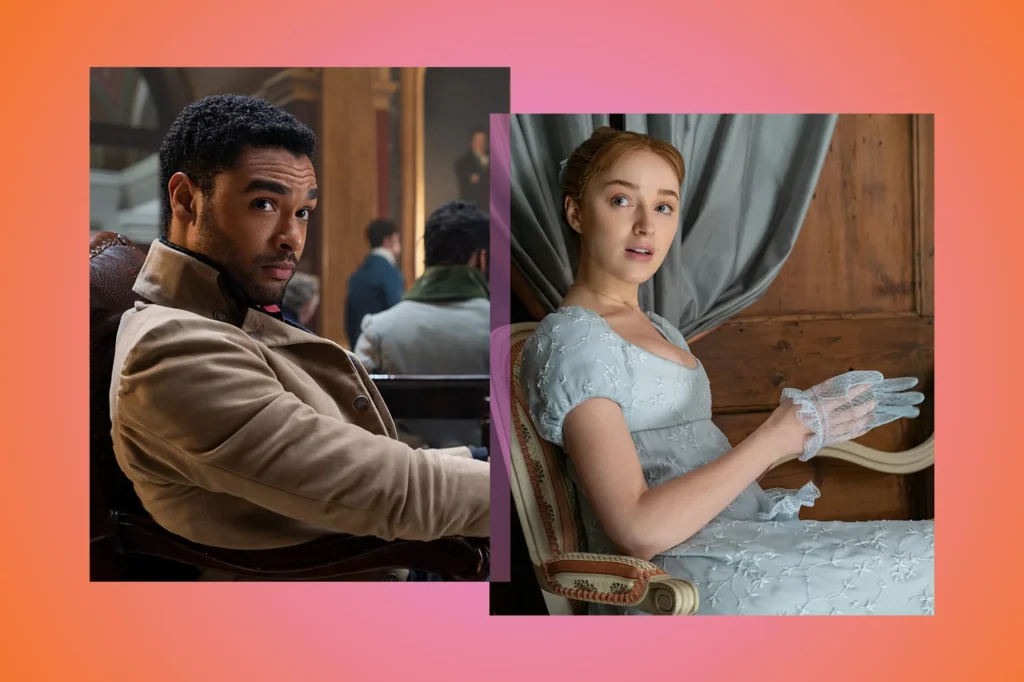
In recent years, the sheer diversity of content available on streaming platforms has transformed the landscape of television. Netflix, a pioneer in this evolution, consistently draws viewers into rich worlds defined by distinctive storytelling and stunning visuals. One show that has captured the imagination of millions is Bridgerton. But what exactly makes this series a modern sensation? How does it interweave elements of the Regency era with the nuances of contemporary drama? Let’s delve into the enchanting world of Bridgerton and explore how it marries historical aesthetics with modern sensibilities, setting a new standard for period dramas along the way.
A Glimpse into the Regency Era
Before we dive deep into the mechanics of the show, it’s essential to understand the Regency era that serves as the backdrop for this compelling drama. Spanning from 1811 to 1820, the Regency period in England was marked by social upheaval, significant political changes, and the emergence of the British middle class. This historic context is crucial as it influences not only the characters’ motivations but also the intricate societal structures depicted throughout the series.
The Regency era was a time of fashion evolution, cultural shifts, and the onset of modern romance. With its opulent balls, stunning estates, and strict social hierarchy, the period is fertile ground for storytelling, inviting viewers to immerse themselves in a world of lavish gowns, elaborate dances, and clandestine affairs.
Bridgerton: A Modern Twist on History
At first glance, Bridgerton appears to be a faithful portrayal of Regency life, featuring period costumes, elaborate ballrooms, and courtship rituals that would make any Jane Austen fan swoon. However, what sets this series apart is its ingenious blend of historical accuracy with contemporary drama. By incorporating modern themes—such as diversity, empowerment, and sexuality—Bridgerton transcends mere historical representation and evolves into a reflection of today’s societal norms and issues.
Throughout the series, we see a cast of characters who are nuanced and complex, presenting a new layer to familiar archetypes. For example, Daphne Bridgerton (Phoebe Dynevor) starts as a quintessential debutante, yet her journey toward self-discovery and empowerment is deeply relatable for today’s viewers. Rather than simply conforming to the expectations placed upon her, she challenges them while navigating the treacherous waters of love and societal expectations.
In the hands of creator Chris Van Dusen and producer Shondaland, known for their groundbreaking series like Grey’s Anatomy and Scandal, this show reimagines the historical genre into something accessible and entertaining. It’s no wonder that millions have tuned in—Bridgerton speaks to both the heart and the contemporary mindset.
Diverse Representation and Inclusivity
One of the most revolutionary aspects of Bridgerton is its commitment to diversity and inclusivity. The series features a racially diverse cast, portraying characters from different ethnic backgrounds and challenging the historical narrative often presented in period dramas. For instance, the inclusion of Queen Charlotte, portrayed by Golda Rosheuvel, is inspired by historical records suggesting that Queen Charlotte may have had African ancestry. This creative decision not only enhances the storyline but also fosters a sense of representation that is often lacking in historical narratives.
Diversity in casting allows viewers from various backgrounds to see themselves reflected in the characters. As a result, Bridgerton opens the door to conversations about race, privilege, and class dynamics both within its narrative and in the broader context of society. It showcases how love and ambition can transcend societal barriers, making it both a love story and an exploration of the complexities of human relationships.
The Role of Fashion in Bridgerton’s Appeal
Fashion plays a crucial role in the allure of Bridgerton. The series is renowned for its opulent costumes, designed by fashion designer Ellen Mirojnick, who captures the essence of the Regency period through a modern lens. The enchanting gowns, tailored suits, and breathtaking accessories are not merely eye candy; they serve as visual storytelling devices that reveal much about the characters.
For instance, Daphne’s character, often cloaked in pastel hues and delicate fabrics, symbolizes youthful innocence and the pressures of debutante society. In contrast, the character of the mysterious Lady Whistledown, who observes high society while secretly penning scandalous gossip, is frequently adorned in striking, bold outfits. This juxtaposition of colors and styles helps to emphasize the disparate worlds in which these characters operate, while also making a fashion statement that resonates with a contemporary audience.
Fashion in Bridgerton is also a character in itself, setting the tone for the series and reflecting broader cultural attitudes. Many viewers have found inspiration in the beautiful garments and have sought to emulate that Regency-inspired elegance, further expanding the show’s influence beyond just television.
[amazon box=”B08XLLF3PG”]
Romantic Drama: The Heart of Bridgerton
At its core, Bridgerton is a romantic drama that delves into the intricacies of love and relationships. The series explores multiple romantic arcs, each rich with tension and emotional depth. While largely centered around the central love story between Daphne and Simon Basset (Regé-Jean Page), there are numerous subplots that address themes of forbidden love, societal expectations, and the complexities of intimacy.
The passionate relationship between Daphne and Simon, though steeped in Regency-era constraints, feels relevant and modern. The exploration of consent, communication, and personal agency resonates strongly with contemporary viewers. The raw, honest portrayal of their love story—complete with lust, misunderstandings, and growth—is not only engaging but also serves to foster discussions about romance in today’s world.
By intertwining traditional romantic tropes with fresh narratives, Bridgerton allows audiences to witness characters grappling with the challenges of love, blending the charm of the Regency era with genuine human experiences.
Soundtrack: A Modern Symphony in a Historical Setting
The uniqueness of Bridgerton extends beyond visual storytelling; it also employs an eclectic soundtrack that juxtaposes classical melodies with modern hits. The musical choices, curated by musical supervisor Justin Kramper and led by the Vitamin String Quartet, present iconic songs reimagined in classical form. Imagine the sixteenth notes of “Thank U, Next” by Ariana Grande played in harmony amidst a Regency ballroom scene. This clever choice breathes new life into the series, drawing in viewers who may not traditionally gravitate toward historical dramas.
The soundtrack further enhances the emotional undercurrents of the plot, augmenting pivotal scenes and helping to establish an unforgettable atmosphere. It makes history feel both relevant and accessible, allowing newer generations to engage with a style of storytelling that they may otherwise overlook.
The Allure of Escapism in Bridgerton
In a world marked by chaos and uncertainty, the allure of escapism grows stronger. Bridgerton serves as a refined escape, transporting audiences into a world of lavish parties, stunning scenery, and romantic entanglements. The series allows viewers to temporarily step away from everyday life and immerse themselves in an opulent, imagined past.
Whether it’s through the elegance of the ballroom scenes or the nostalgia evoked by the lush English countryside, Bridgerton effectively serves as a form of therapy for its audience. The familiar themes of love, rivalry, and romance intertwine with the fantastical, culminating in a rich viewing experience that satisfies the desire for escapism.
Community and Fandom: Bridgerton’s Impact
In an age where community thrives online, Bridgerton has sparked an enthusiastic and passionate fandom. With social media platforms buzzing with memes, fan theories, and content dedicated to the characters and storylines, viewers have forged connections through shared interests. The fandom amplifies the impact of the series, cementing it as part of contemporary pop culture.
This communal aspect of viewership has also allowed fans to engage in discussions about the themes presented in the show, including topics such as love, representation, and the significance of societal norms. The connections formed within these communities can provide insights that deepen viewers’ understandings and appreciation of the series, proving that Bridgerton is more than just entertainment; it’s a cultural phenomenon.
Conclusion: Bridgerton’s Lasting Legacy
As Bridgerton continues to entertain and captivate audiences worldwide, it leaves an indelible mark on the art of storytelling. By uniquely blending elements of the Regency era with modern drama, the show paves the way for a new generation of period dramas to explore complex themes while maintaining historical integrity.
Its themes of love, empowerment, and diversity resonate deeply with contemporary viewers, ensuring that Bridgerton will not be easily forgotten. As fans eagerly await upcoming seasons, it’s clear that this series has set a new standard for period dramas, proving that history can be both a guide and a canvas for modern storytelling. In a world craving connection and authenticity, Bridgerton shines brightly, a beacon of creativity that celebrates the beauty of love, history, and the endless possibilities of the human experience.
So, as you prepare to indulge in the sumptuous world of Bridgerton, remember: it’s not just a story rooted in the past, but a bold invitation to reimagine our modern lives through the lens of a captivating historical narrative.



