
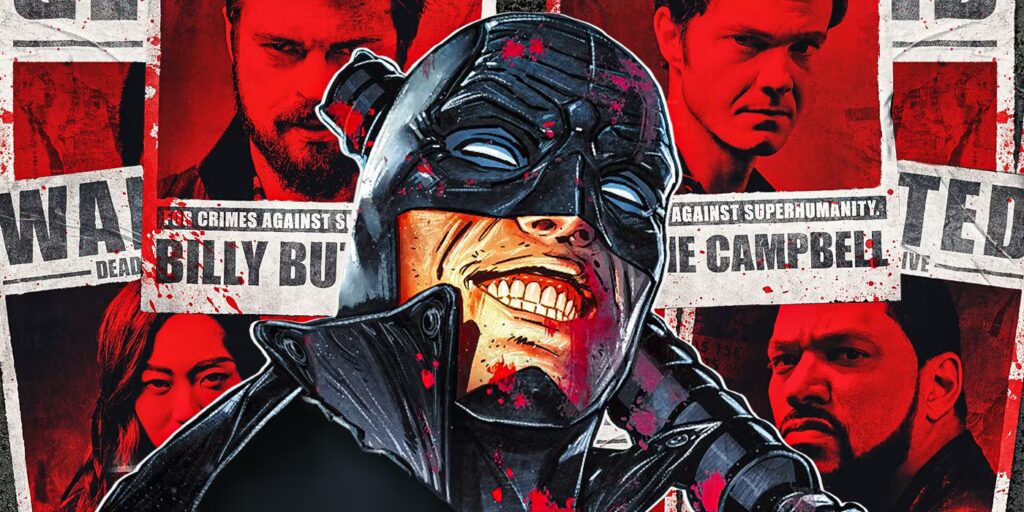
The superhero genre has long been a cornerstone of popular culture, captivating audiences through comic books, movies, and television shows. For decades, we’ve been treated to a parade of larger-than-life characters adorned in colorful costumes, battling evil and upholding justice. However, with the advent of the Amazon Prime series “The Boys,” this genre has taken an unexpected turn, infusing it with a brutal realism that shakes the very foundations of our expectations. In this article, we’ll explore how “The Boys” has redefined the superhero genre and what this shift means for the future of storytelling in film and television.
A Gritty Perspective on Superheroes
At its core, “The Boys” offers a stark contrast to the traditional portrayal of superheroes we’ve become accustomed to. Instead of shining beacons of hope, we see flawed and flawed individuals who engage in morally ambiguous behavior. The series, based on the comic book by Garth Ennis and Darick Robertson, exposes the dark underbelly of superhero society, echoing the sentiments of disillusionment that many feel in today’s world.
While heroes in conventional narratives are often depicted as paragons of virtue, “The Boys” presents a chilling examination of power and accountability. This unsettling portrayal resonates deeply with viewers who are becoming increasingly aware of the complicated nature of heroism. As societal norms evolve, audiences are beginning to appreciate stories that reflect the imperfections and moral dilemmas faced by today’s figures of authority.
Characters That Challenge the Norm
One of the most remarkable aspects of “The Boys” is its cast of complex and multi-dimensional characters. Unlike the archetypal superheroes who are easily defined as either good or evil, the characters in this series are riddled with flaws and contradictions. Taking the lead is Billy Butcher, portrayed masterfully by Karl Urban. Butcher is fueled by vengeance, driven by the tragic loss of his wife at the hands of the supes. His ruthless methods often put him at odds with his team and reflect a morally gray landscape in which the lines between right and wrong are blurred.
Another standout character is Homelander, played by Antony Starr—a superhero who embodies the very essence of unchecked power and narcissism. He appears to be the perfect hero with charm and good looks, but beneath the facade lies a deeply disturbed and dangerous individual. Homelander’s character forces viewers to confront the consequences of immense power without accountability, a theme that’s increasingly relevant in today’s society.
The supporting characters, such as Starlight and Queen Maeve, further enrich the narrative by showcasing the varied responses individuals have to a world rife with corruption and moral decay. These characters reflect the struggles many face when grappling with their own beliefs while existing in a system that values spectacle over genuine heroism.
A Satirical Take on Corporate America
Another significant aspect of “The Boys” is its incisive commentary on corporate America. The show highlights how capitalism influences the superhero industry, particularly through the Vought Corporation. Here, superheroes become commodities, marketed and sold like any other product. The concept of the “superhero brand” is explored extensively, exposing the way these figures are manipulated for profit rather than truly serving the public good.
This corporate influence adds another layer of realism to the narrative, showing how financial interests can dilute the very essence of heroism. With this perspective, “The Boys” prompts viewers to question the motivations behind our admired public figures and the extent to which large corporations shape the narratives surrounding them. The series paints a picture that mirrors our world, encouraging audiences to scrutinize the motives behind contemporary societal heroes.
An Unflinching Look at Violence
Gone are the days when superhero battles were sanitized for mass appeal. “The Boys” does not shy away from graphic violence, using it as a storytelling tool to highlight the brutal consequences of superhuman abilities. This level of violence isn’t gratuitous; rather, it serves as a mirror reflecting the real-world ramifications of unchecked power. The series illustrates that with great power often comes great destructiveness, showing the collateral damage in a way that traditional superhero narratives typically avoid.
This graphic portrayal of violence forces viewers to confront uncomfortable truths about heroism. Instead of celebrating their triumphs, audiences witness the chaos and destruction that often accompany battles between these mighty figures. This willingness to delve into the grittier, more nihilistic aspects of the superhero mythos elevates “The Boys” beyond typical entertainment and into the realm of social commentary.
[amazon box=”B08XLLF3PG”]
Themes of Power and Corruption
At the heart of “The Boys” are themes surrounding power, corruption, and accountability. The series raises urgent questions: What happens when those in charge are above the law? How do we hold powerful figures accountable when they operate with impunity? These inquiries resonate in today’s highly scrutinized political climate, as global audiences grapple with issues of corruption, governance, and power dynamics.
Throughout its narrative, “The Boys” highlights the dangers of absolute power, exploring how it can corrupt even those with the noblest intentions. This commentary is particularly poignant in a world rife with examples of leaders exploiting their positions for personal gain, creating a dialogue that is both timely and necessary.
Groundbreaking Storytelling Techniques
In addition to its thematic depth and character complexity, “The Boys” employs innovative storytelling techniques that further enhance its impact. The use of humor amidst dark themes provides a unique balance that helps viewers digest the serious subject matter. Satirical elements, particularly through the character of A-Train, who embodies the superficiality of celebrity culture, invite audiences to reflect critically on societal values while still being entertained.
The series also makes masterful use of pacing, building tension through unexpected plot twists that keep audiences engaged. With cliffhangers and shocking revelations, it marries the unpredictability of life with the fantastical genre, resulting in a viewing experience that feels fresh and invigorating.
A Cultural Phenomenon
Since its debut in 2019, “The Boys” has not only garnered significant viewership but has also sparked conversations surrounding its portrayal of superheroes. This cultural phenomenon has prompted audiences to reassess their perceptions of good and evil, celebrating the show’s willingness to tackle complex issues head-on. As audiences engage with its narratives, “The Boys” encourages them to question their own beliefs about morality, authority, and societal norms.
With each season, discussions about representation, accountability, and the ethical implications of power have gained traction, illuminating the series’s role as a catalyst for change within the genre. As representation matters become increasingly prominent in media, “The Boys” exemplifies the need for diverse narratives that reflect the intricacies of real-world issues rather than conforming to outdated clichés.
The Implications for Future Superhero Narratives
As superhero narratives continue to evolve, “The Boys” serves as a benchmark against which new stories must be measured. Much like how “The Dark Knight” redefined the scope of superhero films in 2008, “The Boys” has opened the door to more nuanced storytelling within the realm of television. The authenticity of its characters, the moral complexity of its narratives, and its willingness to address societal issues head-on all signal a necessary shift in how we approach superhero tales.
Emerging series can take cues from “The Boys,” embracing flawed protagonists, exploring themes of power dynamics, and reflecting the complexities of modern society. By doing so, they could create a wealth of new opportunities for storytelling that resonates with audiences on a deeper level while retaining the entertainment value fans expect from the genre.
Final Thoughts
“The Boys” has undoubtedly redefined the superhero genre, paving the way for stories marked by their brutal realism and unflinching examination of morality. Its impact on popular culture speaks to a broader desire for narratives that resonate with the complexities of contemporary life. As audiences grow more discerning about the media they consume, stories that reflect genuine struggles and ethical dilemmas are primed to become the new standard.
As we look ahead, it’s essential to continue advocating for narratives that take risks and challenge norms, allowing for a richer, more diverse portrayal of heroism. With “The Boys” leading the charge, the superhero genre is evolving in exciting, uncharted ways that promise to captivate future generations. By exploring the darker and more complex aspects of heroics, we invite viewers to ponder what it truly means to be a hero in a world where power is often met with skepticism—and perhaps, a little fear. As the series continues to unfold, one thing is certain: “The Boys” has carved out a new path for superhero storytelling that refuses to shy away from the grit and complexity of reality, making it a series for the ages.


