
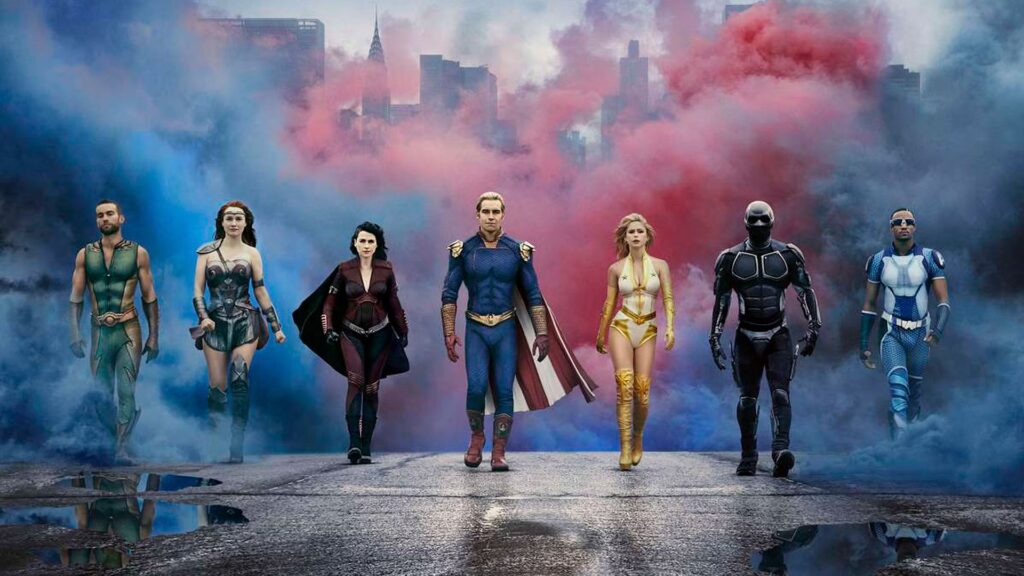
In the ever-evolving universe of superhero storytelling, few shows have captured the public’s imagination and critique as fiercely as Amazon Prime’s original series, The Boys. While the Marvel Cinematic Universe (MCU) and DC Extended Universe (DCEU) encapsulate the heroic ideals of bravery, honor, and adventure, The Boys takes a starkly different approach. Centering its narrative around a group of vigilantes determined to confront corrupt superheroes, the show boldly dissects and subverts the traditional superhero tropes that have long permeated comic books and blockbuster movies.
But what does this specific subversion of the superhero genre look like? How does The Boys distinguish itself from its predecessors, namely Marvel and DC? In this article, we will deep dive into the thematic richness of The Boys, exploring its narrative choices, character arcs, and unique storytelling techniques that disrupt the genre’s expectations.
Dismantling the Hero Mythology
At its core, The Boys presents a dystopian view of superheroes, known in the series as “Supes.” Whereas traditional narratives celebrate superheroes as paragons of virtue, The Boys reveals a darker, more complex reality. The Supes in this universe are often self-serving, morally ambiguous, and deeply flawed. This portrayal prompts viewers to reconsider the classic hero-villain dichotomy.
The Corporate Nature of Superheroism
In The Boys, superheroes are not just individuals with extraordinary abilities; they are products of a corporate machine. The Vought Corporation, which manages and promotes the superheroes, commodifies their power, transforming altruism into a marketing strategy. This satirical approach echoes concerns in modern society about the influence of capitalism in shaping personal motives and moral obligations.
Contrast this with Marvel and DC, where heroes often embody a clear-cut moral compass—Superman standing for truth and justice, Spider-Man as the relatable Everyman with a strong sense of responsibility. Through the lens of The Boys, the very essence of heroism is distilled into a business model; this subversion draws attention to the inconsistencies between the ideals of heroism and the realities of human nature.
Complex Characters Versus Archetypes
One of the defining characteristics of The Boys is its rich tapestry of complex characters, which stands in stark contrast to the archetypal heroes and villains typical in Marvel and DC narratives.
Antiheroes and Villains
Take Billy Butcher, the main protagonist, a hard-edged man with a personal vendetta against Supes, particularly Homelander. Butcher’s motivations are fueled by revenge, showcasing how the lines between hero and villain can blur. Despite being portrayed as the “good guy,” his methods often align more with those of a ruthless antagonist. This complexity invites viewers to wrestle with moral questions about justice and retribution, allowing for an examination of the ethical implications of vigilante actions.
In comparison, even the dark characters in Marvel and DC, like Batman or Deadpool, often still fit into the broader frameworks of heroism—albeit darker variants. The raw brutality and unapologetic nature of characters in The Boys set a new standard for what one expects from characters who would typically wear the “hero” label.
The Flawed Supes
Superheroes like Homelander and the Deep are also fascinating subversions. Homelander, who appears as a quintessential hero on the surface, is revealed to possess psychopathic tendencies. His narcissism and abusive behavior illustrate a twisted take on the “superhero as savior.” By presenting spoilers of power rampant with sociopathy, The Boys pushes the viewer to question the consequences of unchecked power and the societal structures that allow toxic behaviors to flourish.
In the Marvel and DC universes, even when characters face substantial internal struggles, they are rarely as unredeemable as those in The Boys. Characters like Iron Man confront personal demons but ultimately find redemption through heroic acts. In contrast, The Boys reminds its audience that not all heroes are meant to be redeemed; some are simply reflections of a society that idolizes power without accountability.
Satire of Superhero Culture
The Boys extends its critique beyond character flaws and power dynamics to tackle the entire culture surrounding superheroes. Through dark humor and biting satire, the show poses significant questions about fandom, celebrity, and the moral implications of idolizing flawed figures.
[amazon box=”B08XLLF3PG”]
Celebrity and Influence
Throughout the series, the Supes are shown as media personalities, heavily engaged in marketing campaigns, social media, and public relations. This portrayal mirrors real-world celebrity culture, emphasizing how society often elevates individuals based more on their ability to engage with the public than on the merit of their actions.
While both Marvel and DC have superheroes who enjoy a level of fame (think Iron Man’s technological genius and Batman’s enigmatic presence), The Boys exposes the superficial nature of this fame and the manipulative avenues used to maintain it. It asks viewers to think critically about the people they choose to idolize and the consequences of that admiration.
The Power of Shocking Violence
While superhero narratives occasionally dabble in graphic violence, The Boys takes this element to a whole new level. The explicit violence serves a purpose: it underscores the gravity of what unchecked power can lead to and critiques the bloodless morality often found in traditional superhero tales.
Real Consequences
Marvel and DC often present violence without significant consequences for heroes. Buildings collapse and cities are destroyed, but usually, the heroes come out looking morally admirable, if not entirely unscathed. In stark contrast, The Boys showcases the collateral damage that comes with superhuman actions. Victims of the Supes’ carelessness are highlighted, and the trauma inflicted on innocent lives feels palpable and significant.
This narrative focus ignites discussion about the impact of violence on society, mirroring real-world issues and forcing audiences to grapple with the implications of a world where superheroes exist—something rarely addressed in more traditional portrayals.
LGBTQ+ Representation and Inclusivity
In a genre often criticized for its lack of diversity, The Boys makes an effort to spotlight different sexual orientations and identities without relying solely on tokenism. Characters like Queen Maeve and Starlight provide a nuanced portrayal of LGBTQ+ experiences within the superhero framework.
While Marvel and DC have made strides toward inclusion (thanks to characters like Valkyrie and Batwoman), The Boys openly critiques the superficial rendering of “representation” by exposing the flaws and biases inherent in its characters’ backgrounds. This depth adds layers to the characters and defines them beyond their superhero identities, making their experiences feel authentic.
Will The Boys Redefine Future Narratives?
As the popularity of The Boys continues to rise, one has to wonder what impact the show will have on the superhero genre as a whole. Will Marvel and DC shift their narratives to compete with the raw authenticity and societal critique that The Boys offers?
Influence on Future Productions
With the success of The Boys, it is likely that studios will take note of audience desires for more realistic portrayals of heroes and villains. This shift may lead to a renaissance of darker, grittier themes in superhero storytelling, blending traditional powers with modern social critiques and ethical dilemmas.
Conclusion: The Boys Have Arrived
The Boys has positioned itself as a powerhouse of narrative authenticity in a landscape often dominated by idealism. By subverting traditional superhero tropes, it asks hard questions about heroism, power, and morality, providing a rich, multi-layered viewing experience that resonates with contemporary societal issues.
For anyone keen to explore these complex themes, character arcs, and a biting satire of superhero culture, The Boys offers an exhilarating, thought-provoking ride that stands in stark contrast to Marvel and DC’s cinematic offerings. Whether you’re a die-hard comic book fan or a casual viewer, the series’ subversive narrative style and rich thematic questions invite everyone to contemplate what it truly means to be a hero—or a villain—in today’s world.
If you’re on a quest for a refreshing take on the superhero genre or simply want to engage with content that challenges traditional narratives, The Boys is your new go-to. Prepare for a wild ride that’s as entertaining as it is reflective, forcing you to question the very nature of heroism in modern storytelling.


