
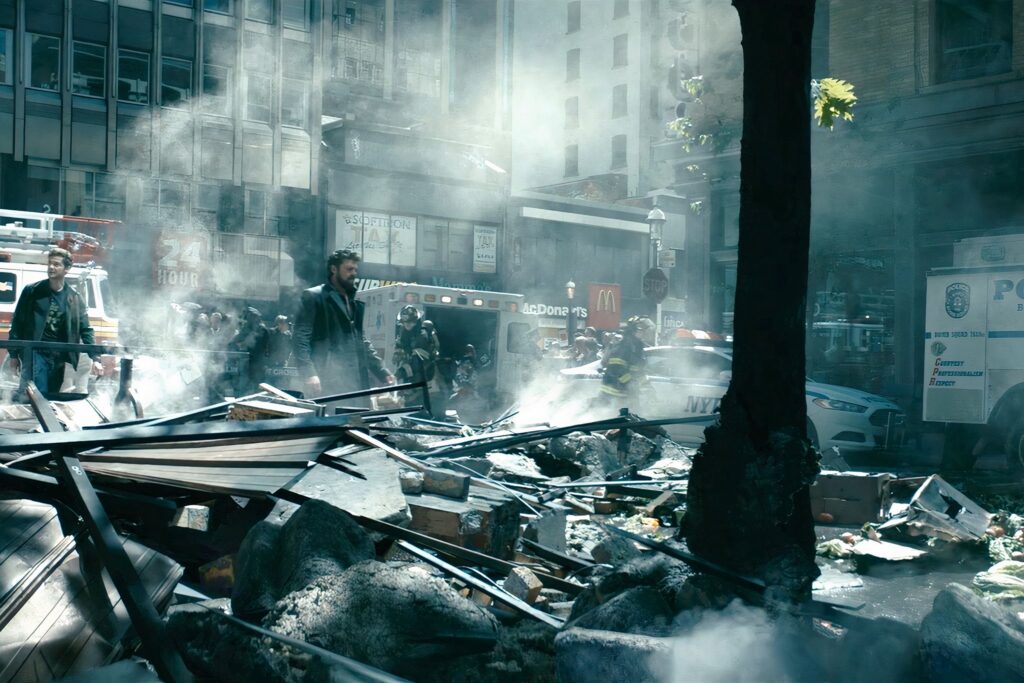
If you’re a fan of edgy superhero narratives, then you’re likely familiar with Amazon Prime’s hit series “The Boys.” Based on the comic book by Garth Ennis and Darick Robertson, the show not only captivates its audience with a thrilling storyline but also intrigues them with its gritty urban settings. But have you ever wondered about the actual locations that brought the world of “The Boys” to life? In this article, we’ll embark on an adventure through the locales and set designs that frame the series, exploring how these elements contribute to the storytelling and atmosphere that fans adore.
The Heart of “The Boys”: Urban Landscapes
One of the defining features of “The Boys” is its urban backdrop. The show brings to life a world where superheroes exist, but not all of them are the virtuous champions we’ve come to expect. It is in these streets of power, wealth, and corruption that the complex interplay between heroes and anti-heroes unfolds. The locations featured in the series are as much characters in the story as the actors themselves, influencing the tone and texture of the narrative.
1. Toronto: The Unlikely Stand-In
While many viewers might assume that “The Boys” is filmed in a fictional metropolis akin to New York City, most of the series is actually filmed in Toronto, Canada. This creative choice allows the production team to take advantage of the city’s diverse architecture, sprawling urban landscape, and unique neighborhoods, which can easily represent various American backdrops.
The Downtown Core
Toronto’s downtown core provides an array of skyscrapers and urban parks that double for iconic locations in “The Boys.” Areas like the financial district can stand in for corporate headquarters and offer a polished veneer that contrasts with the dark, gritty aspects of the series. The iconic CN Tower often makes an appearance, adding a recognizable silhouette that reminds viewers of famed city skylines, despite its Canadian roots.
2. The Distillery District: A Step Back in Time
The Distillery District, a well-preserved historical area in Toronto, showcases Victorian-era industrial architecture that adds a unique flavor to the show. With its cobblestone streets and vintage buildings, this neighborhood is often used for various scenes that require an authentic backdrop. The contrast between the old and the new reflects the show’s themes of history, power, and greed, subtly underscoring the story of not just present-day superhumans, but also the legacies that haunt them.
3. The Leslieville Neighborhood: Grit and Charm
Leslieville is another Toronto neighborhood featured prominently in the series. Known for its hipster cafes, unique shops, and a decidedly artistic vibe, it serves as a juxtaposition to some of the darker elements of the show. Here, you’ll find urban landscapes peppered with murals and charming residential streets, setting the stage for intimate moments of character development. The blend of grit and charm in Leslieville mirrors the essence of “The Boys,” helping to ground the series in relatable humanity while exploring the extreme consequences of power.
Set Designs: Creating a Distinctly Gritty Atmosphere
In addition to the captivating locations, the set designs in “The Boys” play an integral role in establishing its unsettling ambiance. The blend of real and set locations contributes significantly to the storytelling, encapsulating the spirit of the series while enhancing the viewer’s experience.
1. The Vought Tower: Corporate Greed Personified
The Vought Tower, home to the fictional Vought International corporation, serves as a central location throughout the series. Designed with a sleek, modern aesthetic, the building represents the corporate greed that lies at the heart of “The Boys.” The real-world location, often shot at the iconic Bay Adelaide Centre in Toronto, showcases a facade that screams power and excess, setting the stage for the morally ambiguous actions of its inhabitants.
2. The Heroes Actions and Hideouts
The hideouts and personal spaces of characters like Billy Butcher and Hughie Campbell are intentionally designed to reflect their personalities and motivations. Butcher’s gritty, somewhat chaotic living quarters speak to his rebellious nature and tumultuous past, while Hughie’s apartment, filled with longing and uncertainty, portrays his struggle within a world dominated by superheroes. Through attention to detail in set design, viewers are offered visual cues that enhance character arcs, immersing them further into the narrative.
[amazon box=”B08XLLF3PG”]
3. The Adjacent Sets: Realism Meets Fiction
One of the clever tricks that “The Boys” employs is the blend of real locations with fictional settings. For instance, the set of the Seven’s headquarters combines established Toronto landmarks, like the Royal Ontario Museum, with imaginative designs to create an unreal world that feels tangible. These creative liberties allow the viewer to draw connections between the fantastical elements of the plot while maintaining a foot in reality.
Cinematic Techniques that Enrich the Urban Landscape
Beyond just locations and set designs, the way “The Boys” utilizes cinematic techniques to capture their urban environment significantly contributes to its overall aesthetic.
1. Dynamic Camera Work
The series employs dynamic camera techniques that enhance the feeling of chaos and tension central to its plot. Handheld shots create an immersive experience, pulling viewers into the heart of the action, while aerial shots of the towering urban landscapes underscore the towering power structures that the characters must navigate.
2. Color Palette and Lighting
The color palette of the show leans heavily into darker hues, with splashes of bright colors that often represent the veneer of superhero glamour. This contrast invites viewers to question the nature of heroism and ask, “What lurks beneath the surface?” Coupled with stark lighting, the show expertly amplifies feelings of dread and intrigue, shaping viewers’ emotional responses.
3. Sound Design: The Pulse of the City
Finally, the sound design of “The Boys” adds another layer of depth to its urban landscape. The continuous buzz of the city—traffic, crowd noise, and distant sirens—creates a backdrop that feels alive. In quieter moments, the absence of sound can emphasize tension, while abrupt noises can signal chaos, supporting the show’s themes of conflict between good and evil.
The Impact of Urban Locations on The Narrative
The urban landscape of “The Boys” does more than provide a visual feast; it plays a crucial role in shaping the narrative and themes. The juxtaposition of stunning vistas and gritty streets mirrors the duality of heroism portrayed within the series.
Exploring Morality and Ethics
By setting the series in an urban environment filled with stark contrasts—luxurious superhero lifestyles against grim reality—the show effectively explores the ethical dilemmas faced by its characters. Viewers are compelled to question the very fabric of morality in a world where those endowed with extraordinary abilities often abuse their power.
The Hero’s Journey Amidst Urban Chaos
In urban environments, the journey of characters like Billy Butcher and Hughie Campbell becomes even more poignant. The streets become battlegrounds, while criminal activity lurks in every corner. Against this backdrop, the heroes (and anti-heroes) navigate a world that is often less about physical confrontations and more about ideological battles.
Conclusion: The Urban Canvases of “The Boys”
As we’ve seen, the urban landscape of “The Boys” is a multilayered tapestry woven from real locations, set designs, and cinematic craftsmanship. Toronto’s streets, neighborhoods, and buildings all contribute to a world that feels both fantastical and alarmingly relatable. As viewers immerse themselves in this universe where the line between hero and villain is blurred, they can appreciate the artistry behind the scenes—one that skillfully transforms a Canadian city into a vivid commentary on power, morality, and human nature.
The next time you binge “The Boys,” take a moment to appreciate the marrying of art and architecture within its urban tapestry. Each shot, each location, adds depth to the already compelling narrative. In this world, where the line between reality and fiction is constantly being tested, the very urban landscape behind the scenes stands testament to the intricate storytelling of the series—a reflection of our society that, at its core, begs the question, “What does it really mean to be a hero?”


