
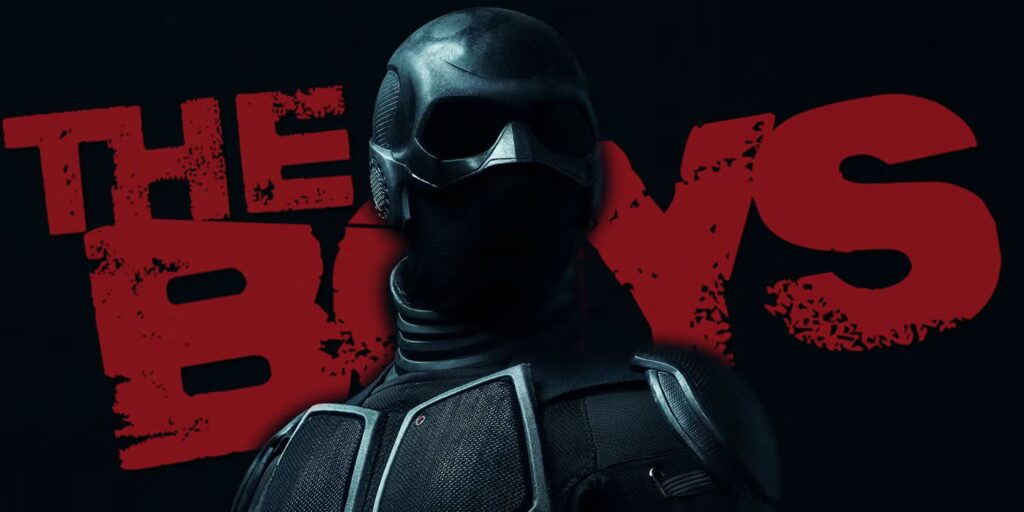
In the ever-evolving landscape of entertainment, the superhero genre has taken center stage, captivating audiences across the globe. With the rise of franchises and cinematic universes, the narrative surrounding these larger-than-life characters often leans towards the glorified and fantastical. However, Amazon Prime’s hit series, The Boys, turns this notion on its head by delving into the darker and more raw aspects of heroism. In this article, we’ll explore how The Boys humanizes its superheroes through an unflinching look at personal struggles, moral ambiguity, and the consequences of power.
The Superhero Archetype Reimagined
At first glance, superheroes are the embodiment of virtue and justice. They wear masks and capes, swooping in to save the day with unwavering courage. Yet, The Boys strips away these polished façades, revealing the complex individuals behind the masks. The series showcases superheroes who are not only flawed but often deeply disturbed individuals trying to navigate a world filled with moral dilemmas.
In a society saturated with superhero lore, it’s refreshing to see a narrative that acknowledges the darkness lurking beneath the surface. But how does this shift in perspective resonate with viewers?
Exploring Flaws and Vulnerabilities
A crucial aspect of The Boys is its commitment to portraying protagonists with real-life struggles. Characters like Billy Butcher, Hughie Campbell, and Annie January (Starlight) grapple with their motivations, traumas, and ethical boundaries. For instance, Butcher, played skillfully by Karl Urban, is driven by a desire for revenge against the Supes (superheroes). His complicated backstory and the personal losses he has endured humanize him, making his quest for vengeance relatable despite its moral ambiguity.
Hughie, portrayed by Jack Quaid, is perhaps the most grounded character in the series. He starts off as a regular guy thrust into a nightmarish world of corrupt superheroes and corporate deceit. Hughie’s naive expectations of heroism are shattered, leading him to form morally questionable alliances. This transformation paints a realistic picture of how ordinary people might react when faced with extraordinary circumstances.
In contrast, Annie January, played by Erin Moriarty, initially represents the idealistic hero. However, as she unravels the true nature of the superhero industry, her character growth reveals the ethical compromises that often come with power.
Pushing the Boundaries of Morality
One of the standout features of The Boys is its exploration of morality through its anti-heroes and self-serving superheroes. The show doesn’t shy away from depicting the brutal realities of fame, power, and the lengths individuals will go to maintain control. The Seven, the series’ primary superhero team, exemplifies this moral decay.
Unlike traditional heroes, members of The Seven are often depicted as egocentric and ethically compromised. Homelander, played by Antony Starr, is the most chilling representation of this. He possesses incredible power yet is portrayed as narcissistic and sociopathic. His manipulation of public perception and exploitation of fear call into question the trait of heroism itself.
This juxtaposition of power and immorality raises critical questions about real-world counterparts—leaders, celebrities, and figures in authority. The Boys subtly implores viewers to examine the complex interplay between power and ethical responsibility, providing a reflection of society’s current state.
The Price of Power
What makes The Boys particularly compelling is how it highlights the inherent dangers of unchecked power. The narrative serves as a cautionary tale, demonstrating that those who wield great power often fall prey to their worst instincts. In the world of The Boys, superheroes are commodified; they are celebrities first and heroes second.
When characters like A-Train and The Deep experience personal crises or setbacks, they resort to measures that further illustrate their moral corruption. A-Train’s addiction and the ensuing fallout from his need for speed illustrate how the pursuit of power and fame can lead to devastating consequences—not just for themselves, but for those around them.
Conversely, the consequences of power extend to the civilian populace, who often become collateral damage in the heroes’ failings. The show’s violence is not gratuitous; rather, it serves to underline the trauma and chaos that accompany extraordinary power. The brutal realities of superhero battles are starkly depicted, forcing viewers to grapple with the physical and emotional toll on innocent bystanders.
The Satirical Undertones
While The Boys harbors dark themes, it also employs sharp satire to critique the superhero genre and societal values. The way the Supes are portrayed reflects modern celebrity culture, with their over-the-top antics and media manipulation serving as an exaggerated portrayal of real-world influencers.
By bringing a sense of humor into dark narratives, the series encourages audiences to laugh, reflect, and question what they see. This blend of satire with raw themes makes it much more than a simple superhero story; it’s a multifaceted commentary on society—its hero-worship, its moral failures, and the very nature of heroism itself.
One of the most humorous yet eye-opening scenes involves the media-drenched world of The Seven, where public relations is prioritized over actual heroic deeds. The glimpses into their manufactured personas and the constant need for brand management act as a reflection of today’s celebrity culture, where image often supersedes substance.
[amazon box=”B08XLLF3PG”]
The Power of Team Dynamics
Another vital aspect of The Boys is its portrayal of camaraderie and conflict within the central group—the titular “Boys,” who band together to combat the corruption of superheroes. Each character brings their own set of flaws and backgrounds, lending depth to their dynamics.
The team’s relationships are uncomfortable and often fraught with tension, reminiscent of real-life friendships that can shift dramatically under pressure. The nuances of their interactions speak to human nature, and the show acknowledges that teamwork sometimes involves conflict, disillusionment, and betrayal.
Moreover, the personal relationships formed amid chaos provide a poignant counterbalance to the brutal realities faced by the characters. The moments of vulnerability allow viewers to connect with the characters on a deeper level, emphasizing the importance of humanity even in a world filled with superhumans.
The Unveiling of True Heroism
At its core, The Boys challenges viewers to reconsider the concept of heroism itself. Is being powerful enough to categorize someone as a hero? The show posits that true heroism lies in empathy, sacrifice, and the willingness to fight for others—even when it means going against the grain.
Characters like Kimiko and Mother’s Milk showcase alternative views on heroism. Kimiko, a mute woman with superhuman abilities, embodies a tragic yet empowering narrative arc. Her journey is a testament to strength arising from deep compassion, contrasting the more self-serving actions exhibited by the Supes.
Mother’s Milk represents a figure grounded in reality, someone fighting for justice while navigating personal trauma. His character arc emphasizes that the essence of heroism is often found in the choices we make for others—an unyielding responsibility to protect even when the odds are stacked against you.
The Legacy of The Boys
As the series progresses, The Boys continues to innovate within the genre, blending horror, satire, and dark humor to craft a narrative that resonates. Its raw exploration of moral ambiguity and flawed characters creates a platform for discussions about power dynamics, celebrity culture, and the complexities of personal motives.
With each thrilling episode, the show critiques not just the landscape of superhero lore but societal expectations of heroism that often elevate individuals to unrealistic ideals. By peeling back the layers, The Boys lays bare the truths that exist behind the masks.
Conclusion: A New Era of Superhero Storytelling
In a world inundated with heroic tales, The Boys revolutionizes the genre by presenting a raw, unfiltered look at heroism. By exposing the darkness within, the show dismantles the black-and-white morality that often characterizes traditional superhero narratives. It takes viewers on a journey through flawed heroes, ethical dilemmas, and the consequences of unchecked power, ultimately reminding us that everyone wears a mask—some to hide their flaws and others to confront them.
The Boys not only entertains; it prompts vital conversations about what it means to be a hero in the modern age. As audiences gear up for future seasons, one thing remains clear: the true essence of heroism lies not in power or fame, but in humanity itself—a lesson worth pondering as we navigate our world full of intricacies.
In the end, The Boys has succeeded in redefining the superhero narrative, enriching it with complexities that resonate deeply with viewers. Just when you think you’ve pinned down what a hero looks like, this series pulls the rug from under you, leaving you questioning everything you thought you knew about heroism behind the mask.


