
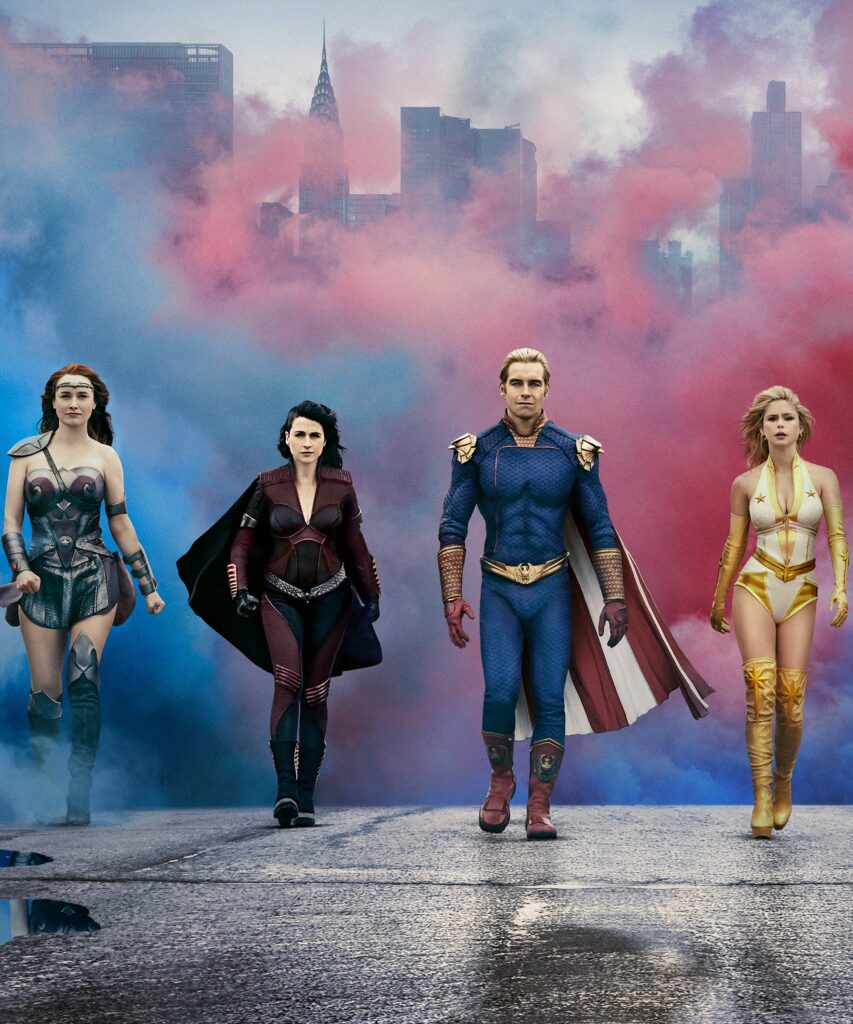
In a world where superhero tales reign supreme, a dark and gritty narrative has emerged that challenges the conventions of the genre: “The Boys.” Based on the comic series by Garth Ennis and Darick Robertson, this Amazon Prime series has taken the superhero trope and turned it on its head. From its raw storytelling to its unabashed critique of power and morality, The Boys has captivated audiences and sparked discussions about what it truly means to be a hero or a villain. In this article, we will explore the components that make “The Boys” stand out from other superhero tales while providing insights for fans and newcomers alike.
The Anti-Heroes: A Fresh Perspective
One of the primary factors that set “The Boys” apart is its focus on anti-heroes rather than the archetypal noble saviors we commonly see in superhero narratives. The show centers around a group of disillusioned vigilantes known as The Boys, who are determined to take down corrupt superheroes—known as “Supes”—who abuse their powers for personal gain.
Characters like Billy Butcher, played by Karl Urban, embody the quintessential anti-hero, showcasing flaws and complexities that make him relatable and, in some cases, sympathetic. He is as ruthless as he is charming, driven by a desire for vengeance and justice. This nuance allows viewers to explore moral ambiguities, as they are often forced to question whether the ends justify the means. This deeper characterization contrasts starkly with traditional superhero narratives, wherein heroes typically maintain a clear moral compass.
A Raw, Unfiltered Narrative
“The Boys” does not shy away from depicting the harsh realities of power, fame, and morality. In this series, the show unflinchingly addresses such issues as corporate exploitation, media manipulation, and the consequences of celebrity culture.
This unfiltered narrative lends authenticity to the struggles faced by The Boys and the Supes alike. The series opens with a gut-wrenching scene where A-Train, a speedster, inadvertently causes the death of Hughie Campbell’s girlfriend, a moment that sets off a chain reaction of events leading to a personal vendetta. The brutal and sometimes shocking portrayal of violence and betrayal may not be for everyone, but it elevates the story above the usual comic-book backdrop where good triumphs over evil.
Satire and Social Commentary
Comic book tales are often filled with colorful heroes and grandiose adventures, but “The Boys” introduces a sharp layer of satire and social commentary that provides a critical lens through which we can evaluate our modern society. The show examines the ways in which societal elites manipulate public perception through sensationalism and spectacle, tapping into contemporary anxieties surrounding corporations and influencers.
For instance, the fictional Vought International is an obvious parallel to real-world entertainment and media conglomerates, showing how profit often takes precedence over responsibility. The portrayal of superheroes as products and public relations tools raises questions about the nature of heroism in a consumer-driven society, and it invites viewers to rethink the attributes they idolize.
Strong Female Characters
Another element that contributes to the show’s distinctiveness is its portrayal of female characters. From Starlight, played by Erin Moriarty, to Queen Maeve, performed by Dominique McElligott, the women in “The Boys” are complex and multidimensional.
Starlight begins as a hopeful and enthusiastic rookie superhero, only to be disillusioned by the dark underbelly of Vought. Her evolution throughout the series reflects real struggles women face, particularly those striving to maintain their authenticity in environments rife with exploitation.
Moreover, the development of characters like Kimiko, who has a feral, brutal edge, signifies that strength and vulnerability can coexist beautifully in women. These narratives not only elevate female agency but also open the door to further discussions about representation in mainstream pop culture.
A Unique Blend of Humor and Horror
Unlike many superhero adaptations that lean heavily on drama or action-heavy sequences, “The Boys” balances humor and horror in a manner that keeps audiences engaged while reflecting the absurdity of its world. Dark humor punctuates many scenes that would otherwise be overwhelmingly bleak, providing viewers with levity amidst chaos.
This blend offers a unique viewing experience. Fans can laugh at the outrageousness of a superhero who literally take a dive into a pool of blood and still convey the serious implications of their actions. The humor captures the satirical elements of the show, allowing audiences to process heavier themes while keeping them entertained.
[amazon box=”B08XLLF3PG”]
Themes of Power and Corruption
“The Boys” brings to light the dangers of unchecked power and the corrupting influence it can have. The Supes, while seemingly heroic, often engage in acts of violence, manipulation, and exploitation, revealing the dark side of authority and celebrity.
The overarching theme of power dynamics, evident not just between the Boys and the Supes but also among the Supes themselves, serves as a backdrop for critical examination of the societal structures we inhabit. The horrifying consequences of these power struggles resonate with audiences and remind them that those in positions of power are often fallible, resulting in tragic outcomes.
Grounded in Reality
At its core, “The Boys” feels grounded in the current socio-political climate. A subtle yet powerful commentary on the state of the world today is interwoven throughout the narrative. The allure of a perfect celebrity, the fragility of public image, and the consequences of moral compromise are all pertinent themes in our reality.
By draping these relevant issues in the cloak of superhero fiction, “The Boys” manages to capture the zeitgeist and expose uncomfortable truths about society. The show’s creators link fiction to reality in such a way that compels viewers to reflect on their own beliefs and vulnerabilities.
Community and Fan Engagement
The rise of “The Boys” has also given birth to a robust community of fans who discuss theories, character arcs, and sociopolitical messages that the show conveys. Fan engagement surrounding “The Boys” reveals a communal desire for deeper conversations about narratives that challenge traditional superhero motifs.
Social media platforms and forums have transformed into melting pots of discussion, where fans analyze every comer and cranny of the show. This sense of community creates an environment in which viewers feel encouraged to explore themes beyond the surface, turning The Boys into more than just a mere viewing experience.
Future Expectations: The Evolving Landscape of Superhero Content
As audiences continue to gravitate towards stories that challenge traditional narratives, it’s evident that “The Boys” is paving the way for a new wave of superhero stories. Viewers are increasingly looking for narratives that delve into the uncomfortable and ambiguous, that question the very essence of heroism and morality.
With that said, what does the future hold for “The Boys” and similar narratives? If done right, subsequent seasons could further escalate the socio-political dialogues and push boundaries in ways we’ve yet to imagine. As global storytelling evolves alongside audience expectations, we may see more shows that adopt the same fearless, unvarnished approach.
Conclusion
In a saturated market filled with conventional superhero tales, “The Boys” emerges triumphant, captivating audiences with its unique blend of dark humor, social commentary, and character depth. By focusing on anti-heroes, embracing a raw narrative, and highlighting the moral complexities surrounding power, the series invites viewers on an exhilarating and sometimes disturbing journey into the heart of what it means to be a hero.
As we move forward in a culture hungry for substantive storytelling, “The Boys” serves as a compelling reminder of the potential for superhero narratives to reflect the reality of our world—fully capable of entertaining while prompting critical thought. This dark take on superheroes doesn’t just captivate; it challenges us to redefine what heroism truly means in an imperfect reality.
Whether you are a traditional superhero fan or someone seeking a fresh perspective, “The Boys” offers something for everyone—if you dare to take a leap into its chilling, chaotic universe. Don’t miss out on this remarkable series that’s capturing hearts and minds, leaving an indelible mark as one of the finest adaptations in the genre.


