
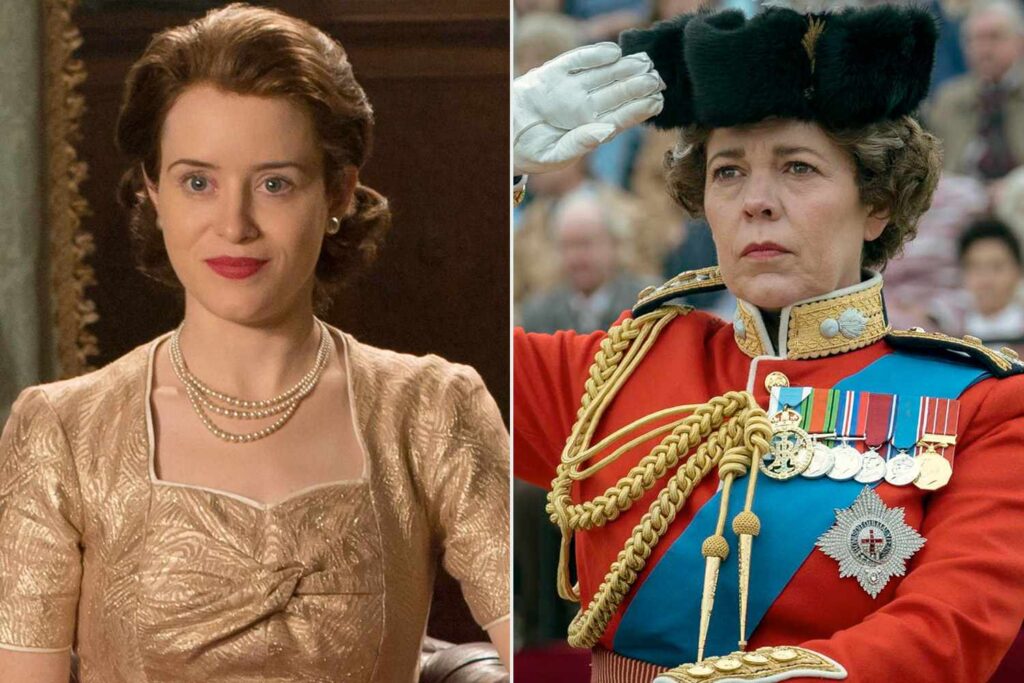
Have you ever found yourself deeply engrossed in a television series that not only entertains you but also provides a glimpse into history? If you’ve experienced that with Netflix’s “The Crown,” you’re not alone. This critically acclaimed series has captivated audiences worldwide with its complex portrayal of Queen Elizabeth II. At the heart of this stunning production are two talented actresses: Claire Foy and Olivia Colman, who have each brought their unique interpretation to the iconic role of the British monarch.
In this article, we will explore how Foy and Colman embody Queen Elizabeth II in “The Crown,” highlighting their performances, the nuances of their portrayals, the cultural impact of the series, and what it means for historical storytelling in contemporary media.
The Role of Queen Elizabeth II
Before diving into the performances of Foy and Colman, let’s take a moment to appreciate the significance of Queen Elizabeth II as a character. Born on April 21, 1926, Elizabeth Alexandra Mary Windsor became queen at just 25 years old following the death of her father, King George VI, in 1952. Her reign has spanned decades, witnessing monumental events and changes in both the monarchy and the world at large.
The Crown presents not just her reign but also the personal struggles she faced behind royal doors, navigating a world where tradition often clashes with modernity. This intricate portrayal requires not just an understanding of history but also an ability to connect with audiences on an emotional level.
Claire Foy: The Early Years of Elizabeth
Claire Foy portrays Queen Elizabeth II in the show’s first two seasons, covering the period from her marriage in 1947 to the early 1960s. Her performance is both sensitive and commanding, perfectly capturing the essence of a young monarch stepping into her role while juggling personal and public responsibilities.
One of the standout aspects of Foy’s performance is her ability to project vulnerability beneath a veneer of strength. As Elizabeth grapples with her position, we see flashes of uncertainty, particularly in her early marriage to Prince Philip. Foy’s embodiment of this internal conflict makes her character relatable, allowing viewers to understand that even royals are human and face challenges in their relationships.
Foy’s physicality also plays a significant role in her portrayal. Her use of posture, eye contact, and facial expressions embodies the serious nature of the monarchy. Throughout the series, Foy’s ensemble—complete with elegant wardrobe choices reflective of the 1950s and 60s—enhances the authenticity of her portrayal.
Moreover, the supporting cast during Foy’s tenure is equally exceptional, adding depth to her character. Characters like Winston Churchill, played by John Lithgow, serve to highlight Elizabeth’s growth as a leader, while her interactions with her sister, Princess Margaret, showcase her complex familial ties.
Olivia Colman: The Mature Monarch
As the series progresses into the later years of Queen Elizabeth II’s reign, the role transitions to Olivia Colman in Seasons 3 and 4. Colman’s approach contrasts (but also complements) Foy’s performance by bringing a different set of experiences and emotions to the character. Her portrayal reflects an older Elizabeth who has become more seasoned, weary, and wise from the trials of her reign.
Colman captures the essence of a monarch who has seen her fair share of triumphs and tragedies. The weight of history, coupled with the demands of being a queen in the modern world, manifests in her performance. Colman brings nuance to her character, illustrating how the passage of time has impacted Elizabeth’s perspective on duty, family, and the British monarchy.
A defining trait of Colman’s performance is her ability to express deep sadness, a theme that resonates throughout her parts in “The Crown.” In particular, her portrayal during moments of personal loss—such as the death of her sister and the breakdown of her children’s marriages—showcases a rich emotional palette often hidden beneath a stoic exterior.
While Foy and Colman present different stages of Elizabeth’s life, they also share a collective responsibility; they are both tasked with portraying a character that has become a symbol of continuity in British history. Transitioning the character from one actress to another is no small feat, but the creators of “The Crown” have succeeded in ensuring that there is a seamless connection between the two performances.
Both actresses demonstrate remarkable emotional depth, each interpreting Queen Elizabeth in ways that resonate with their respective eras. Foy instills the character with youthful idealism and determination, whereas Colman offers a more reflective, almost weary wisdom.
One can argue that what makes both performances exceptional is their ability to form a coherent narrative around the enigmatic figure of Elizabeth II. The combination of their different acting styles demonstrates the qualities of resilience, sacrifice, and strength that are necessary for a monarch to survive in a rapidly changing world.
[amazon box=”B08XLLF3PG”]
The Impact of “The Crown” on Historical Storytelling
“The Crown” has had a profound impact on the way royal history is depicted in popular media. It presents a vivid narrative that is, at times, dramatized but rooted in historical events. This kind of storytelling invites audiences to engage with the past in a manner that feels immediate and relevant.
Both Foy and Colman’s portrayals of Elizabeth have rekindled interest in the British monarchy, sparking discussions about the nature of power, tradition, and the roles that women have played—historically and presently. By humanizing the queen and affording her vulnerabilities, “The Crown” enhances our understanding of a historical figure who has often been seen as shrouded in mystery.
Furthermore, the series has sparked conversations about the ethics of portraying real-life figures in fiction. How much creative license should filmmakers take? What liberties are acceptable when telling someone else’s story? These questions are particularly relevant when it comes to portraying a living monarch whose life is still being written.
Cultural Reception and Critique of the Portrayals
The performances of Foy and Colman have not only garnered acclaim from critics and audiences alike, but they’ve also prompted a variety of responses concerning their representation of Queen Elizabeth. Advocates assert that their performances have helped to reshape the narrative surrounding the monarchy, presenting it through a lens of empathy and vulnerability rather than detachment.
However, critiques have also emerged, questioning the accuracy of certain portrayals, including the dramatic license taken with personal stories and relationships. While “The Crown” is undoubtedly a work of fiction, it promotes the idea that understanding the intricacies of historical figures can help inform contemporary dialogues about leadership, duty, and national identity.
Conclusion: A Tribute to the Legacy of Queen Elizabeth II
In reflecting on how Claire Foy and Olivia Colman bring Queen Elizabeth II to life in “The Crown,” it’s evident that their performances offer much more than mere entertainment. They pull back the curtain on the human side of an iconic figure who has wielded immense power while grappling with personal challenges intrinsic to monarchy.
In beautifully crafted performances, Foy and Colman convey the complexities of a woman defined by her duty, revealing the personal sacrifices made behind the scenes. As viewers, we are not just watching a historical drama; we are invited into the intimate world of one of the most remarkable leaders of our time.
As we navigate the 21st century, “The Crown” and its powerful depiction of Queen Elizabeth II remind us of the enduring relevance of history and the individuals who shape it. In a world that often seeks to vilify or idolize its figures, Foy and Colman present a more balanced, nuanced perspective. Their shared legacy invites us to appreciate the intricate dance between historical fact and human experience, allowing for a deeper understanding of both the past and present.
Whether you are a monarchy enthusiast, a history buff, or simply someone looking for compelling storytelling, “The Crown” offers a rich tapestry of character exploration, of which the portrayals of Queen Elizabeth II by Claire Foy and Olivia Colman are undoubtedly the vivid threads that hold it all together.
In conclusion, the remarkable performances of Claire Foy and Olivia Colman as Queen Elizabeth II create a captivating narrative that spans several decades, showcasing the real struggles behind royal duties. This blend of history and human emotion makes “The Crown” a must-watch series for anyone curious about the intricacies of power and responsibility in an ever-evolving world.


