
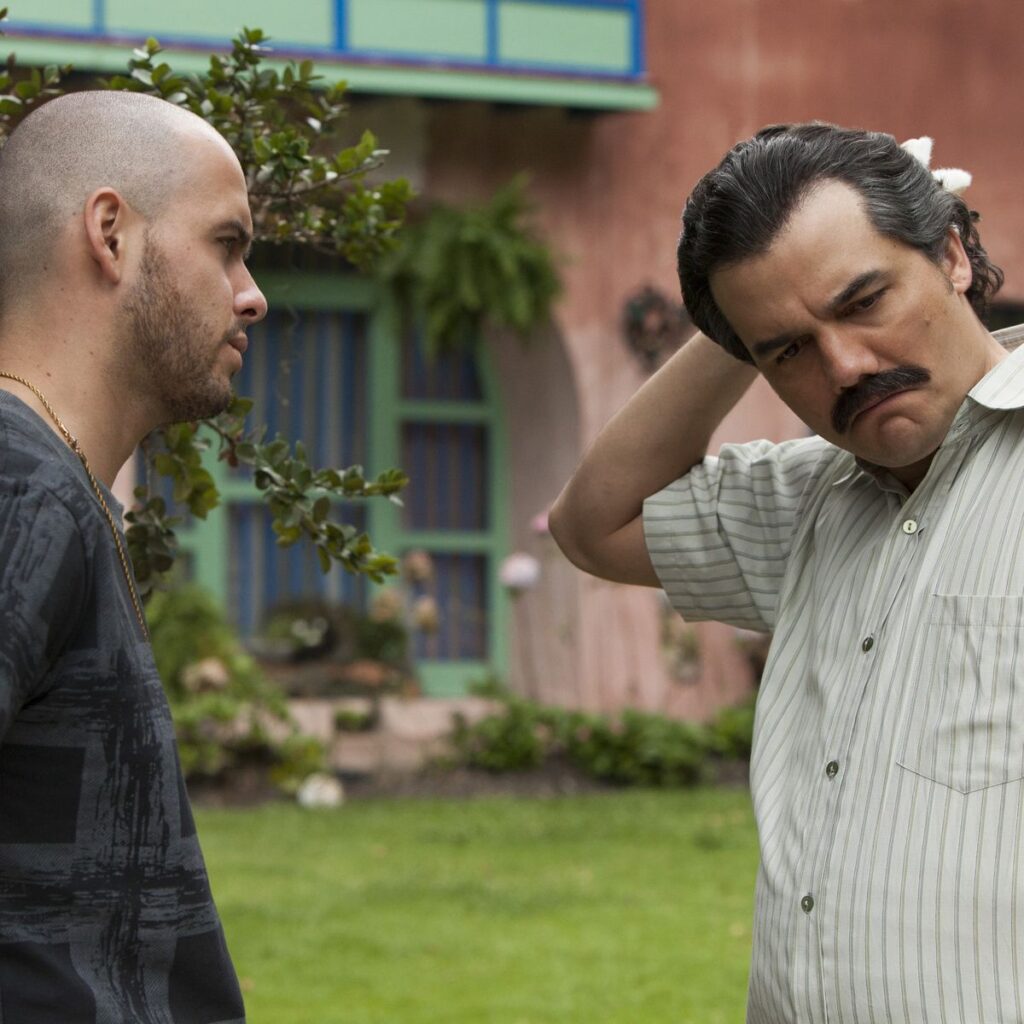
When Netflix released “Narcos” in 2015, the world was introduced to the infamous Colombian drug lord Pablo Escobar in a way that had never been seen before. The series quickly became a cultural phenomenon, gaining a massive following and reigniting interest in Escobar’s life and the Medellín Cartel. However, as is often the case in dramatizations, the line between fact and fiction can become blurred. In this article, we will delve into the life of Pablo Escobar, exploring what “Narcos” gets right and what it misses, ensuring that you leave with a deeper understanding of this complex figure in history.
Who Was Pablo Escobar?
Pablo Emilio Escobar Gaviria was born on December 1, 1949, in Rionegro, Colombia. He grew up in a lower-middle-class family. He was known for his ambition from a young age; he started off in petty crime, eventually building a drug empire that made him one of the richest men in the world. By the late 1980s, Escobar was considered the most powerful drug lord in the world, responsible for smuggling cocaine into the United States and other countries.
Though he was responsible for countless acts of violence, including assassinations and bombings, Escobar had a duality that fascinated people. He at times portrayed himself as a Robin Hood figure, investing in community projects and building schools, which earned him support among some of the Colombian population.
The portrayal of Escobar in Narcos
“Narcos,” created by Chris Brancato, Eric Newman, and Doug Miro, stars Wagner Moura as Pablo Escobar and chronicles the rise and fall of Escobar and the Medellín Cartel. While the series has been praised for its captivating storytelling and intense performances, its representation of Escobar is not without its flaws.
What it Gets Right
-
The Realities of the Drug Trade: “Narcos” provides a gritty and realistic portrayal of the drug trade during the 1980s and early 1990s. The show dives into the logistics of drug production, distribution, and the violent turf wars that ensued. It does a commendable job of showcasing the fierce battles between the Medellín Cartel and law enforcement, particularly the DEA.
-
The Power and Corruption: The show effectively highlights how power corrupts and how the drug trade influenced not just Colombia, but also the political landscape. It touches on the complicated relationships between drug lords, politicians, and law enforcement that plagued Colombia during that time.
-
Escobar’s Charisma: Wagner Moura’s portrayal captures Escobar’s enigmatic charm and charisma that drew people to him. His ability to connect with the lower-income communities and his philanthropic efforts (though often self-serving) are depicted with a nuance that deepens our understanding of a man who was both monster and benefactor.
-
Historical Context: The show provides viewers with a broader context—what was happening in Colombia and the United States during Escobar’s reign. It incorporates historical figures like DEA agents Steve Murphy (Boyd Holbrook) and Javier Peña (Pedro Pascal), providing a real-life foundation to the dramatization.
-
Escobar’s Family Life: The series does a fairly decent job portraying Escobar’s family life, particularly his relationships with his wife, Tata, and his children. Though he operated in a world of violence and chaos, he often displayed a softer side around his family, illustrating the complexities of his character.
What it Gets Wrong
-
Dramatization and Exaggeration: While “Narcos” is grounded in real events, it sometimes leans heavily on dramatization for entertainment purposes. Certain characters and events are exaggerated, leading viewers to believe that they represent the complete truth rather than a curated narrative. For instance, some of the violent confrontations depicted may be more sensationalized than they were in reality.
-
Escobar’s Support from Communities: Although the show does touch on Escobar’s philanthropic efforts, it often oversimplifies the idea of him as a “Robin Hood” figure. Many communities did benefit from his wealth, but there was also significant fear and manipulation involved. Families were torn apart, and the violence that ensued affected countless innocent people.
-
The Role of Women: The depiction of women in “Narcos,” particularly in relation to Escobar, tends to be limited. Female characters often exist primarily to support male narratives, and their own stories and perspectives are not given the attention they deserve. The historical context of women involved in the drug trade—such as his powerful and sometimes complex wife—is glossed over.
-
Romanticizing Violence: While the show does not shy away from the violence associated with the drug trade, it occasionally runs the risk of romanticizing the lifestyle of drug lords and their operatives. Viewers may come away with an unrealistic glorification of the cartel life, missing the grim reality faced by many affected by the violence.
-
Simplification of Complex Relationships: The relationships among Escobar, the Colombian government, and the DEA are incredibly complex and nuanced. While “Narcos” provides a narrative framework, it simplifies these relationships in ways that miss the intricacies and underlying motivations that shaped them. The reality of these interactions was often filled with shades of gray that are lost in the show’s black-and-white portrayals.
[amazon box=”B08XLLF3PG”]
Behind the Scenes of Narcos: A Cultural Phenomenon
“Narcoculture” as a genre has seen substantial growth with various media outlets portraying the glamorous, albeit brutal, lives of drug lords. “Narcos” managed to tap into this fascination, as it chronicles not just crime but also the war on drugs, the effects on society, and the political ramifications tied to drug trafficking.
The series’ success spurred interest in Colombia as a travel destination, creating a surge of curiosity about the country’s past, particularly its tumultuous relationship with drugs and violence. Tourists flock to Medellín, eager to learn about Escobar’s impact on the region, take “Narcos” tours, and visit locations featured in the series.
Visiting Medellín: A Look Beyond the Narcos
For those curious about Escobar’s impact, visiting Medellín offers insights that go far beyond what is presented in “Narcos.” The city has transformed itself over the years, recovering from its tumultuous past to become a vibrant hub of innovation and culture.
-
Comuna 13: Once a hotbed for violence, Comuna 13 has emerged as a symbol of resilience. Now, it is celebrated for its street art, cultural events, and community engagement. Guided tours allow visitors to learn about the area’s past while experiencing its revitalization.
-
Museo Casa de la Memoria: This museum provides insights into the conflict in Colombia and a chance to learn about the victims of violence. It serves as a poignant reminder of the consequences of drug trafficking, including the impacts on innocents caught in the crossfire.
-
Pablo Escobar’s Grave: For those interested in Escobar’s life, a visit to his grave in Medellín’s Jardines Montesacro cemetery is often on the itinerary. Here, you can find an assortment of offerings from admirers and detractors alike, each telling a different story of the man who influenced an entire country.
-
Local Cuisine: Explore the culinary scene that reflects the restaurant landscape of Medellín today. Taste traditional dishes that embody Colombian culture, moving beyond the stereotypes often associated with Escobar’s era.
The Lasting Impact of Pablo Escobar
Though Pablo Escobar was killed on December 2, 1993, his legacy lingers in Colombian culture and society. From the pain of families who lost loved ones to violence to the resurgence of Medellín as a tourist spot, Escobar’s life and legacy provide crucial context for understanding Colombia today.
Most importantly, Escobar’s rise and fall serve as a case study for the complexities of the drug war. It illustrates the interplay between law enforcement, drug lords, and the communities caught in the middle. As we look back, understanding this history is vital for learning from past mistakes as we continue to navigate the ongoing issues surrounding drug trafficking and its social ramifications.
Final Thoughts
As “Narcos” continues to captivate audiences worldwide, it’s a critical reminder to differentiate between dramatized entertainment and historical fact. The show does a commendable job of chronicling aspects of Pablo Escobar’s life, but it is essential to approach it with a skeptical eye, recognizing the blend of fact and fiction.
In attempting to meet the real Pablo Escobar, we must engage with the truth of his life and legacy. The narrative surrounding him is multifaceted, and understanding it requires more than just binge-watching a Netflix series. By exploring the realities of his life, the violent consequences of his actions, and the transformative journey of Medellín, we can gain a more nuanced view of this infamous figure in history.
As you set out on your journey to understand Pablo Escobar, whether through travel or exploration of media, remember to question, learn, and see beyond the portrayal that “Narcos” offers. In doing so, you’ll develop a more informed perspective on the so-called “King of Cocaine” and the complex society that shaped—and was shaped by—his life.



