
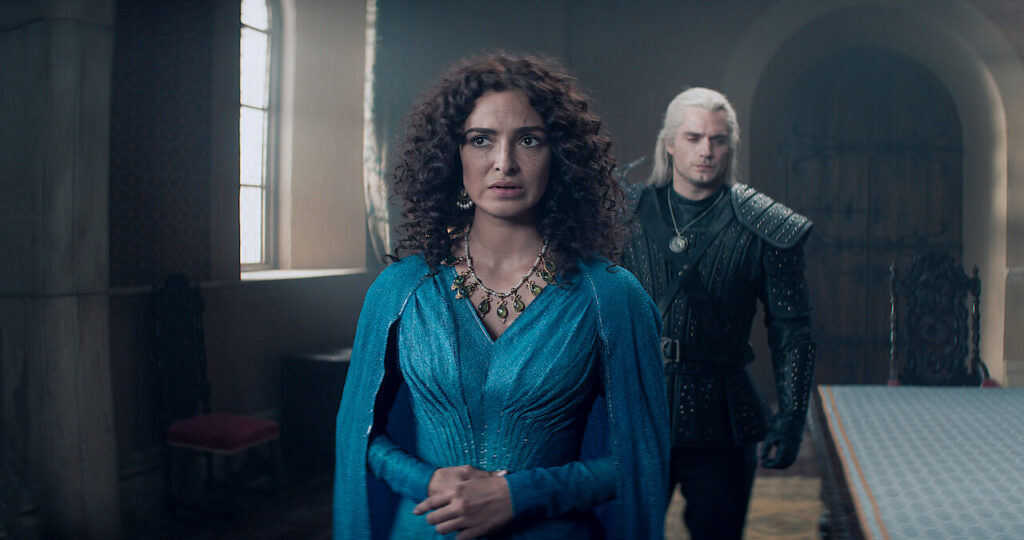
Introduction: Journey into the Fantastical World of The Witcher
If you’ve been swept away by the enchanting realms of Netflix’s adaptation of The Witcher, you’re not alone. Drawing its inspiration from Andrzej Sapkowski’s beloved book series and video game franchise, The Witcher has captivated audiences with its rich storytelling, intricate world-building, and, most importantly, its spellbinding magic. In this article, we will take a deep dive into the show’s unique approach to spellcasting and sorcery, exploring the methods, meanings, and implications of the magical elements that give this series its distinct flavor.
Get ready to traverse the mystical terrains of the Continent, as we unravel what makes the magic of The Witcher not just a mere backdrop, but a core component of the narrative and character development. Join us on this journey as we understand how the show beautifully integrates sorcery into its fabric while also examining how it inspires fan creativity and imagination.
The Fundamentals of Magic in The Witcher
To fully appreciate the magic depicted in The Witcher, we must first understand its foundations. Magic in this universe is not just a random assembly of spells and incantations; it operates on a set of structured rules that govern its usage.
The Aftermath of the Conjunction of the Spheres
At the core of The Witcher’s magical lore is the Conjunction of the Spheres — a monumental event that took place centuries before the main timeline of the series. This cosmological phenomenon caused different realms to intersect, allowing humans and various mystical beings, including elves, monsters, and witches, to coexist. The Collision of these spheres led to an influx of magic, supplying sorcerers and witches with the ability to manipulate the energy around them using natural elements and rituals.
Power of the Elements
Magic in The Witcher is heavily reliant on the manipulation of the natural elements — earth, air, fire, and water being vital forces. These elements are harnessed in various ways, contributing to the creativity and depth of the magical system.
Historically, each element resonates with a particular school of magic; for example, fire is often linked to destruction and intense spells, while water is seen as a source of healing and growth. The show showcases how different sorcerers and witches specialize in different types of elemental magic, often reflecting their personalities, backgrounds, and motivations as characters.
The Role of Signs
One might wonder how sorcerers wield this magic effectively. In The Witcher, signs are magical gestures or symbols that sorcerers utilize to channel spells quickly. Some of the most prominent signs include:
-
Aard: A telekinetic wave that can knock over opponents.
-
Igni: A fire-producing sign that ignites foes and can also be used for warming up cold spaces.
-
Yrden: A magic trap that immobilizes enemies within its perimeter.
-
Quen: A protective shield that absorbs damage.
-
Axii: A charm that temporarily alters the behavior of others, often utilized for persuasion.
These signs are vital to the combat dynamics of the show, demonstrating the deep connection between magic and strategy. Characters, especially Geralt of Rivia, the show’s protagonist, often rely on these signs during action sequences, showcasing tactical prowess in the face of adversity.
The Sorceress Sisterhood
A notable aspect of magic in The Witcher is the delineation between sorcerers and sorceresses. The sisterhood of sorceresses—most prominently represented by characters like Yennefer of Vengerberg—holds a unique position in the magical society. They are not only practitioners of magic but also wield significant political power, often making them pivotal influencers in the ongoing conflicts across the Continent.
The strong themes of female empowerment present in the portrayal of sorceresses challenge the traditional gender roles often found in fantasy genres. Through their stories, the show explores complex issues of identity, ambition, and sacrifice, offering viewers a fresh perspective on female magic dynamics.
The Sorcery of Characters: A Closer Look
Having established the foundations of magic in The Witcher, let’s delve deeper into the characters who wield this power. Their unique approaches to magic further illuminate the show’s intricate relationship with spellcasting.
Geralt of Rivia: The Witcher’s Reluctant Hero
Unlike traditional sorcerers, Geralt is a mutated monster hunter, known as a Witcher. Although Geralt doesn’t rely on magic as a primary means of combat, he possesses the ability to use signs, making him a versatile fighter. What sets him apart is his pragmatic view of magic, treating it as a tool rather than an art form.
Geralt embodies the dichotomy of violence and compassion within the realm of sorcery. He often contemplates the consequences of using magic, reflecting his deeper moral struggles and enhancing his character development. His relationship with magic is one of necessity and survival rather than grandeur, which contributes to his everyman appeal among audiences.
[amazon box=”B08XLLF3PG”]
Yennefer of Vengerberg: The Ambitious Sorceress
Yennefer’s evolution is one of the most intricate narratives in The Witcher. Starting as a physically deformed young woman, her transformation into a powerful sorceress serves as a metaphor for societal standards of beauty and power. Her relentless pursuit of magic is intertwined with her quest for identity and love.
Yennefer’s mastery of chaotic and raw magic demonstrates how untamed and compelling sorcery can be. Unlike Geralt, she sees magic as an extension of herself, driving her desires and disappointments. The complexity of her character adds depth to the story, as she often struggles to balance her aspirations with the repercussions of her actions.
The Enigmatic Triss Merigold
Triss Merigold, another key sorceress, is known for her healing abilities and protective magic. Her character offers a contrast to Yennefer, emphasizing the nurturing aspect of magic. While Yennefer seeks power and control, Triss embodies warmth and empathy, highlighting the diverse representations of magic within the narrative.
The conflicts and alliances between these powerful women reveal the intricacies of relationships shaped by magic, shining a light on themes of love, jealousy, and loyalty. Through Triss, the show paints a more nuanced picture of sorcery, suggesting that magic can heal as much as it can harm.
Crafting Magic: The Role of Visual Effects
One cannot discuss the magic of The Witcher without praising the visual effects that bring the sorcery to life. The unique presentation of spells enhances the immersive experience, making the magic feel tangible and impactful.
Evolving Aesthetics
The diverse range of visuals associated with each spell illustrates the elements being manipulated. For instance, the fiery effects of Igni juxtaposed with the ethereal glow of Quen create striking contrasts that keep viewers enthralled.
Artistic direction contributes significantly to how magic is perceived — it is not only a tool of power but a visual language that communicates each character’s intent and emotional state. The attention to detail in visual effects ensures that magic is visually stunning while serving the story’s purpose.
Sound Design: The Symphony of Spells
Accompanying the visuals is an incredible sound design that breathes life into the spells. The crackles of electricity, the whoosh of wind, and the rhythmic pulsation of energy create an auditory experience that enriches the narrative. Together, sound and visuals allow viewers to appreciate the complexity of magic and its significance in shaping the series’ world.
Fan Engagement: The Magical Community of Witcher Enthusiasts
The magic of The Witcher does not end on the screen; it extends into a vibrant community of fans who engage and interact with the series in various creative ways.
Art and Fanfiction
From fan art illustrating spellcasting scenes to intricate fanfiction exploring alternative narratives, the Witcher community celebrates its rich lore and characters. Many talented artists and writers explore the depths of magic beyond what is shown in the series, experimenting with themes and characters in entirely new ways.
Cosplay Culture
The magical allure of characters in The Witcher has also inspired a wave of cosplay. Fans meticulously craft costumes to embody their favorite sorcerers and monsters, embracing the artistic expressions of magic through detailed recreations that capture the essence of the characters. Conventions see fans bringing the world of The Witcher to life, showcasing creativity and camaraderie.
Streamers and Content Creators
With the rise of gaming and streaming platforms, The Witcher has maintained its popularity through interactive content. Streamers engage audiences by showcasing their gameplay experiences, sharing tips on navigating the world filled with monsters and magic, and creating discussions around the narrative and character arcs.
Conclusion: The Lasting Impact of Magic in The Witcher
The spellcasting and sorcery depicted in The Witcher transcend mere special effects; they serve as a conduit for thematic exploration, character development, and audience engagement. Magic in this series is a multifaceted entity that reflects the complexities of the human experience — from the desire for power to the struggle for understanding and acceptance.
Through Geralt’s stoicism, Yennefer’s ambition, and Triss’s empathy, the show demonstrates that magic is an extension of their struggles and aspirations. It influences decisions, creates bonds, inspires conflict, and, ultimately, shapes the world they inhabit.
As you binge-watch the series, take a moment to appreciate the myriad ways magic courses through the narrative. From the ethereal visuals to the soulful performances, every element enhances the narrative tapestry, creating an unforgettable journey. For fans of fantasy, The Witcher distills the essence of magic into an art form—one that continues to inspire generations of viewers and creators alike.


