
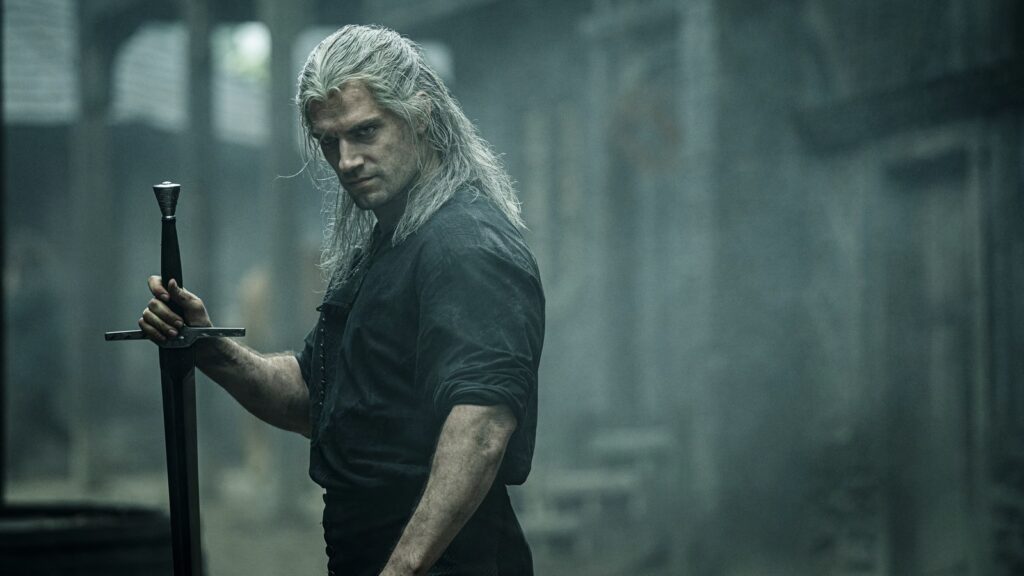
In recent years, fantasy television has become a cultural phenomenon, with streams of viewers captivated by the rich worlds and complex characters that these shows offer. Among the myriad titles emerging in this genre, Netflix’s “The Witcher” stands out, capturing audiences with its unique blend of storytelling, character development, and world-building. But what exactly makes “The Witcher” different from other fantasy shows? Let’s delve deep into its elements—be it the intricate storytelling, compelling characters, or rich source material that sets it apart—making the show an unmissable experience for fantasy fans.
1. Origins: A Rich Tapestry of Source Material
At the heart of “The Witcher” lies a wealth of source material: the short stories and novels written by Polish author Andrzej Sapkowski. While many fantasy shows start from scratch or are adaptations of classic tales, “The Witcher” has an established universe that has resonated with fans for decades, thanks to its literary roots.
Sapkowski’s narratives are inspired by Slavic folklore and mythology, infusing the tales with a certain cultural depth that is often absent in standard fantasy fare. The world of “The Witcher” thrives on moral ambiguity, complex relationships, and the blurred lines between good and evil. The intricacies of these narratives allow for richer character development, creating multi-faceted struggles that resonate well with audiences.
Unlike traditional hero narratives where the protagonist is unambiguously good, Geralt of Rivia—The Witcher himself—often finds himself caught in morally grey dilemmas, making choices that can lead to tragic consequences. This depth is a hallmark of the show, elevating it above many “good versus evil” stories prevalent in the fantasy genre.
2. Character Complexity and Development
One of the most compelling aspects of “The Witcher” is its characters. Geralt, portrayed by Henry Cavill, is not your standard hero; he is a monster hunter with a code who often finds it hard to fit into the world that fears and misunderstands him. His internal struggles and reluctance to embrace the role of a savior make him relatable and authentically flawed.
Supporting characters like Yennefer of Vengerberg and Triss Merigold also add to the show’s depth. Yennefer’s transformation from a physically deformed girl to a powerful sorceress is a central arc full of trials, triumphs, and personal demons. Triss, with her loyalty and bravery, provides a counterbalance that challenges Geralt’s solitary nature. The exploration of their backgrounds, motivations, and interactions forms an emotional core that many fantasy series overlook.
Even secondary characters are fleshed out, giving them their own personal arcs and motivations. Whether it’s the morally conflicted assassin, the crafty bard Jaskier, or the ambitious mage Vilgefortz, the narrative leaves viewers invested in the journeys of both leads and supporting cast members alike. It is this layered storytelling that makes “The Witcher” feel alive and engaging.
3. Narrative Structure: Non-Linear Storytelling
Unlike many fantasy shows that follow a traditional linear narrative, “The Witcher” employs a non-linear storytelling technique that challenges viewers to piece the story together like a puzzle. The show deftly moves between different time periods, allowing for a rich exploration of character histories and relationships.
The jumping timelines can initially be disorienting—Geralt’s present intertwines with Yennefer’s past and Ciri’s future—but this complexity is ultimately rewarding. This structure emphasizes the interconnectedness of the characters and their destinies, reinforcing the series’ themes of fate and destiny.
By integrating different perspectives, “The Witcher” crafts a narrative tapestry that is immersive and thought-provoking. Shows that take a more straightforward approach may not offer the same level of engagement, as viewers are presented with surface-level storytelling rather than the deeper layers that come from a multifaceted narrative.
4. The World of Seductive Darkness
The setting of “The Witcher” is as much a character as Geralt himself. The Continent, a land rife with political intrigue, ancient magic, and monstrous beasts, allows for an expansive environmental storytelling. The show successfully depicts various cultures, each rich in history and nuance, which provides a backdrop against which the personal stories unfold.
What sets “The Witcher” apart from other fantasy shows is its willingness to explore darker themes. This isn’t just a world of grand quests and mythical creatures; it’s a place where humans are often the true monsters. The presence of moral ambiguity, ethical dilemmas, and the examination of power dynamics highlight the darker aspects of humanity.
The societal commentary embedded within this universe speaks volumes. “The Witcher” challenges stereotypes about heroism and villainy, as characters navigate a landscape shaped by prejudice, fear, and power struggles. By placing human flaws in stark contrast with magical elements, “The Witcher” offers more than entertainment; it inspires critical thought about real-world issues.
[amazon box=”B08XLLF3PG”]
5. A Cinematic Aesthetic and Production Quality
From its very first episode, “The Witcher” captivates viewers with its cinematic quality. The production value is exceptionally high, with sprawling landscapes, detailed costumes, and impressive visual effects that immerse audiences in the fantastical world.
The show makes use of both practical effects and CGI to bring the diverse creatures of the Continent to life—from fearsome griffins to enchanting dryads, each beast is rendered with the care and attention to detail that fans of fantasy crave. The action sequences are both thrilling and choreographed with a fluidity that reflects Geralt’s training as a monster hunter.
Furthermore, composer Sonya Belousova and Giona Ostinelli provide a hauntingly beautiful score that enhances the emotional weight of the episodes. The music melds perfectly with the visuals, amplifying the experience and immersing viewers in the mood of the scene.
In a crowded field of fantasy adaptations, the commitment to high production standards shines through, setting “The Witcher” apart as a show not just to watch, but to truly experience.
6. Themes of Destiny and Choice
The exploration of destiny is central to “The Witcher.” The narrative frequently grapples with the tension between fate and free will. Characters are often faced with choices that can significantly alter their paths, and those choices frequently reflect larger themes about human nature, love, loyalty, and personal sacrifice.
Geralt’s famous mantra, “Destiny comes, whether you like it or not,” serves as a poignant reminder of the role fate plays in each character’s journey. Yet, the show posits that while destiny sets the stage, it is ultimately individual actions can dictate the outcome. This duality creates compelling drama and tension as characters navigate their fateful paths.
The intricacies of relationships—between Geralt and Yennefer, Geralt and Ciri, or even Geralt and the world at large—showcase the impact of decisions made in moments of crisis. By weaving these themes throughout its narrative, “The Witcher” provides profound commentary on the nature of control and the consequences of choice.
7. A Refreshingly Diverse Cast and Representation
A significant aspect that distinguishes “The Witcher” from other fantasy series is its approach to diversity and representation. The show features a wide array of characters from various backgrounds, genders, and ethnicities, breaking away from the often Eurocentric portrayals seen in many other fantasy narratives.
This inclusivity allows for a richer storytelling — showcasing different perspectives and experiences that resonate with a broader audience. Characters like the fierce warrior Tissaia and the wise, enigmatic elf Filavandrel serve to highlight the show’s commitment to varied representation.
Such diversity does not feel forced but is organically integrated into the storylines. By representing multifarious facets of humanity within a fantasy realm, “The Witcher” mirrors contemporary society and invites discussions about representation and equity in media.
Conclusion: An Entrancing Unique Blend
“The Witcher” unravels a gripping saga of monsters, magic, and moral complexity that sets it apart from other fantasy offerings. The foundation laid by Sapkowski’s works provides depth, while the intricacies of the characters and the multi-faceted narrative enhance its appeal. A rich visual landscape combined with a haunting score draws viewers in, making the fantasy world feel authentic and engaging.
As audiences increasingly seek out depth and meaning in their entertainment, “The Witcher” not only pulls viewers in with its compelling story but also elevates the genre by examining the human condition through a fantastical lens. The series showcases the beauty and the burden of destiny, the shades of morality, and the strength found in camaraderie against a world rife with conflict.
In the end, “The Witcher” is more than just a tale of adventure; it is a hauntingly intricate exploration of life itself. As it continues to expand its universe, one can only look forward to how it will further manifest its unique appeal. So whether you’re a long-time fan of the books or simply curious about this captivating series, “The Witcher” promises an experience that is profound, thrilling, and uniquely its own.


