
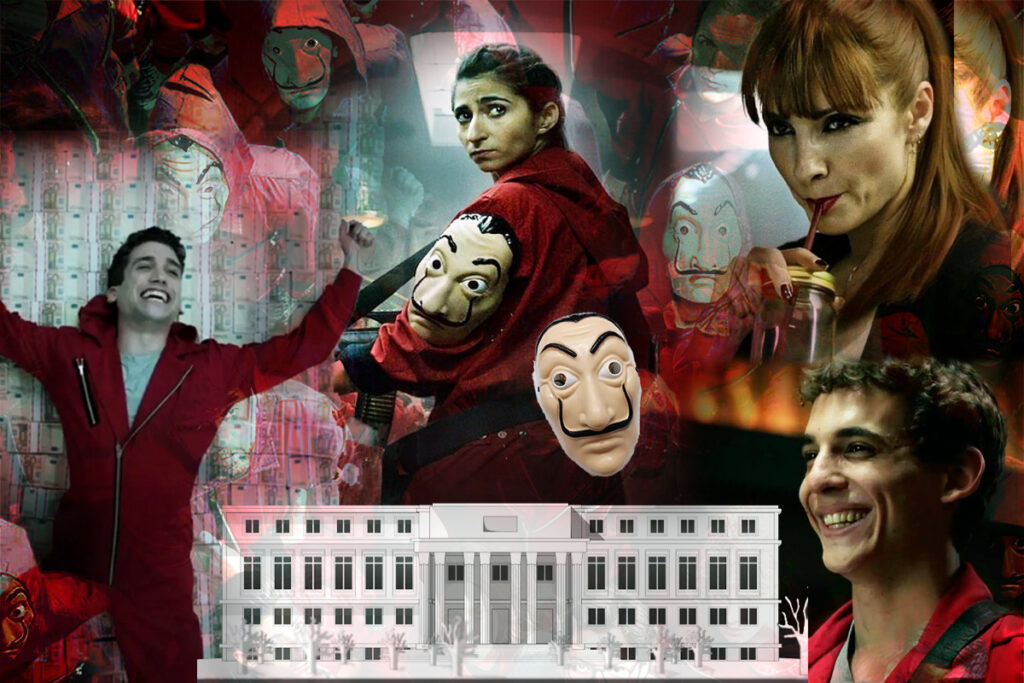
“Money Heist,” or “La Casa de Papel” as it is known in its original Spanish, has captured the hearts of millions across the globe. From its gripping storyline to its complex characters, this Netflix sensation offers more than just a thrilling tale of a heist. Beneath the surface of fast-paced action and cleverly engineered plot twists lies a rich tapestry of political commentary that resonates with viewers, especially in a world where issues like capitalism, corruption, and social justice dominate the headlines.
As travel enthusiasts, we often find ourselves embroiled in cultural conversations that reveal the political underpinnings of the places we visit. In that vein, “Money Heist” is not just a story confined to a TV screen but an exploration of societal issues that echo across various cultures, particularly in our current global climate. Let’s delve into the political commentary hidden within each episode and how these themes can spark discussions pertinent to both our travels and our understandings of the world.
The Rise of the Protagonist: An Anti-Hero for the Ages
At the heart of “Money Heist” is The Professor, the mastermind behind the meticulously planned heists on the Royal Mint and the Bank of Spain. The title suggests clandestine activities, but the show takes a profound look at individuals taking a stand against oppressive systems. Here, we find one of the show’s most potent political commentaries: the depiction of anti-heroes.
In an era where figures of authority are increasingly scrutinized, The Professor embodies the struggle against systemic oppression. His team, filled with flawed yet relatable characters, represents the everyday person caught up in an unjust system. As viewers, we are drawn to their cause—robbing the bank not for greed, but to rectify socio-economic disparities. This portrayal of anti-heroes forces us to confront our ethical dilemmas: are we rooting for criminals, or are we merely projectors of our frustrations toward the existing status quo?
Connecting the Dots: While traveling, consider how local heroes often contest authoritarian norms. In countries where protesters fight against oppressive governments, the narrative is often not dissimilar from that of the robbers in “Money Heist.” Observing these dynamics can enrich your travel experience and foster important conversations about local and global politics.
Capitalism and Its Discontents
From the very first episode, “Money Heist” intricately critiques capitalism. The heist itself is spurred by a desire to print money, make it literally, and distribute it among the impoverished. This theme speaks volumes in our current economic climate, where income inequality and financial instability are rampant. For the heist crew, the motivation isn’t just theft; it’s a form of resistance against systemic greed.
This questioning of capitalism begs to be examined. By painting the heist as a Robin Hood-like endeavor, the show invites viewers to grapple with the morality of wealth distribution. Characters like Tokyo, whose emotional journey plays out in tandem with the heist, demonstrate how personal strife often intertwines with larger economic injustices.
Travel Application: When journeying to various countries, engage with local economic issues. Are communities grappling with wealth disparity? How do they respond? Understanding the socio-economic landscape can add depth to your travel narrative and enhance your empathy toward others.
Gender Politics and Feminism
One of the standout features of “Money Heist” is its progressive representation of women. Characters like Nairobi and Tokyo defy stereotypes, showcasing strength, vulnerability, and leadership. Their arcs challenge traditional gender roles, offering a nuanced debate on feminism.
Nairobi’s role as a female leader within the crew speaks volumes about women in power. Her relentless fight for respect and her insistence on having her voice heard highlight the gender biases that persist in every sphere of life—be it a heist or a corporate boardroom. As she declares her mantra, “The perfect crime will be the one where no one knows we committed it,” viewers are reminded of women finding ingenious ways to navigate patriarchal structures.
On the Road: When traveling, explore feminist movements and initiatives in different cultures. Attend events, participate in discussions, and seek out female-led businesses. Understanding the local gender dynamics can illuminate how similar themes of empowerment and resistance play out worldwide.
Psychological Manipulation and Control
“Money Heist” explores psychological control on multiple levels—both in the relationships among the characters and their interactions with hostages and authorities. The Professor’s meticulously calculated moves serve as a metaphor for systemic manipulation that individuals often experience under authoritarian regimes.
These psychological relationships foster a conversation about power dynamics. The tension between captors and hostages often flips the script, enabling viewers to sympathize with both sides. The emotional turmoil experienced by the hostages becomes a case study for understanding psychological trauma, group dynamics, and moral ambiguity.
[amazon box=”B08XLLF3PG”]
Cultural Context: When visiting places with tumultuous histories, such as former dictatorships or conflict zones, look for narratives of psychological resilience and resistance. You’ll find that the past often mirrors the interpersonal dynamics observed in “Money Heist,” inviting inquiries into how power can affects communities and individuals alike.
The Role of National Identity
A significant aspect of “Money Heist” is its examination of nationality and identity. The Spanish civil war references, as well as cultural symbols like the Dali masks and red jumpsuits, serve as powerful reminders of historical wounds and the quest for autonomy. This deeply-rooted commentary resonates particularly in Spain, where the ramifications of the past continue to shape societal issues today.
Through the heist crew’s actions, “Money Heist” emphasizes the idea of collective identity. They aren’t just individuals; they represent a generation disillusioned with the state of the nation. The symbolism of the heist as a revolutionary act resonates in an age of global protest movements, where citizens come together to demand accountability and change.
Travel Insight: When exploring a new country, take note of its national symbols, historical conflicts, and ongoing societal debates. Engage with locals about their perceptions of national identity and how history continues to impact their lives today. Such interactions can provide a more nuanced understanding of collective consciousness.
The Nature of Freedom and Control
Throughout “Money Heist,” the idea of freedom is explored ongoingly—what it means to be free versus how systems of control dictate our choices. The show’s characters often find themselves trapped in cycles of violence, revenge, and consequence, paralleling larger societal discourses on personal freedom in the face of systemic constraints.
This conundrum speaks to the heart of many political movements worldwide—gaining freedom often comes at a price, not only for those seeking it but also for the collateral damage it leaves in its wake. This raises questions: are true freedoms ever attainable, or are we merely reacting within a system that seeks to control us?
During Your Travels: Engage in conversations about freedom and control in local contexts. Visit historical sites that highlight the struggles for liberation and reflect on how personal freedom can clash with collective safety. Understanding these themes can help provide clarity in markets, social gatherings, and community discussions.
Globalization and the Ripple Effect
While “Money Heist” is set in Spain, its themes resonate globally. The globalization of issues—war, poverty, climate change—serves as a backdrop to the series. The series opens up conversations about interconnectedness and shared struggles across borders.
The diverse backgrounds of the robbers mirror the reality of globalization; individuals from varied origins come together, united by a single goal, a reflection of modern-day movements. The show’s storytelling emphasizes how boundaries blur when dealing with socio-economic injustices that ignore geographical lines.
Travel Reflections: As you travel, consider the global impact of local issues. How does a country’s economic landscape affect others? Discuss these global interdependencies with locals you meet, gaining insights into how your own country might be intertwined with theirs—an empowering, eye-opening exploration dovetailing perfectly with the themes of “Money Heist.”
Conclusion: More than Just a Heist
“Money Heist” is more than just a gripping series filled with tense moments and nail-biting heists; it serves as a multifaceted commentary on the political and socio-economic landscapes of our time. From capitalism to gender dynamics, from psychological manipulation to national identity, the show weaves together complex narratives that resonate deeply with our current global challenges.
As you embark on your next travel adventure, consider the perspectives you gain from engaging with societal issues offers, much like the commentary “Money Heist” instills in its viewers. May your travels enrich your understanding of our shared humanity and encourage discussions that transcend borders, echoing the rich, interconnected themes the show presents.


