
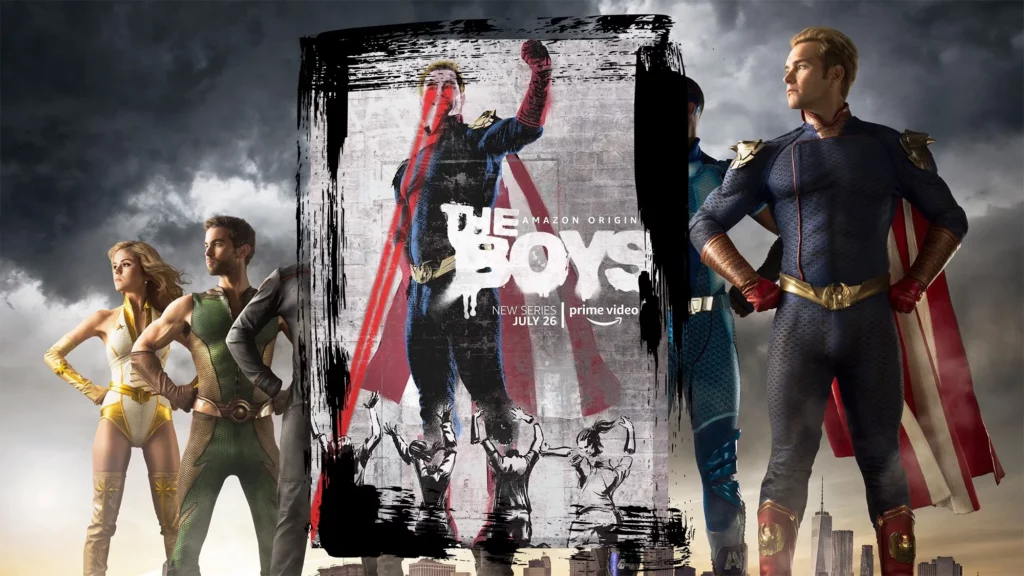
In a time when the superhero genre is experiencing a renaissance, we’ve seen various interpretations of what it means to be a hero. From the grandiose portrayals of iconic characters in movies to darker, more satirical takes in television series, the landscape continues to evolve. One such series, “The Boys,” developed by Eric Kripke and based on the comic series by Garth Ennis and Darick Robertson, offers a critical examination of power and corruption in a world dominated by superheroes. In this article, we’ll explore the real-world issues cleverly interwoven into the fabric of “The Boys,” delving into the challenges we face regarding power dynamics, ethical governance, and societal corruption.
The Premise: A Subversive Take on Superheroes
At its core, “The Boys” flips the traditional superhero narrative on its head. The show is set in a world where superheroes, known as “Supes,” are not the altruistic champions of justice that comic books have led us to believe. Instead, they are often greedy, entitled, and morally bankrupt individuals who wield their powers for fame and profit, frequently at the expense of everyday citizens.
“The Boys” opens with a chilling incident involving A-Train, one of the most popular Supes, who accidentally kills Hughie Campbell’s girlfriend, Robin. This brutal introduction pulls viewers into the rotten core of a society that idolizes superpowered beings. Hughie, disillusioned and seeking justice, teams up with Billy Butcher and others who aim to expose the darker side of the hero industry.
Power and Corruption: A Real-World Reflection
1. Corporate Influence and Capitalism
One of the most striking themes in “The Boys” is the blatant critique of corporate influence over societal structures. Vought International, the conglomerate that controls the superheroes, symbolizes how capitalism can intertwine with governance and morality.
In reality, we see similar instances where corporations manipulate power for their gain. Whether it’s through lobbying, media influence, or public relations campaigns, companies can often dictate policies and shape public perceptions. In “The Boys,” Vought uses its powerful superheroes as not just protectors but as commodities, carefully managing their public images to maximize profits.
As viewers witness the lengths Vought goes to maintain its monopoly on superheroes, it begs the question: what checks and balances exist to mitigate corporate power in real-world governance? The series serves as a wake-up call about the dangers of unregulated capitalism and how easily it can lead to corruption.
2. Celebrity Culture and Public Image
“The Boys” also delves into the obsession with celebrity culture, showcasing how this fixation can corrupt even the noblest individuals. The Supes are treated like rock stars, with fan interactions, endorsements, and media appearances dominating their lives.
This portrayal mirrors our society’s fixation on celebrity. The extent to which public opinion can shape an individual’s reality is evident in both the show and the real world. Public figures, including politicians, often prioritize maintaining a positive image over adhering to ethical standards.
The rise of social media has exacerbated this issue, allowing misinformation or curated images to shape our perception of reality. The compulsion to maintain a personal brand can lead people to make morally ambiguous decisions. “The Boys” highlights this concern, portraying the consequences that arise when power is linked directly to public perception, raising pertinent questions about accountability.
3. Moral Ambiguity and Ethical Leadership
Many characters in “The Boys” grapple with moral ambiguity, forcing viewers to confront uncomfortable ethical questions. While The Seven – Vought’s premier superhero team – are framed as heroes, their actions often reveal the underlying self-interest and lack of true heroism.
For instance, Homelander, the de facto leader of The Seven, embodies a toxic blend of charm, egotism, and ruthlessness. His willingness to go to any lengths for power and control complicates notions of heroism. In a world where the lines between right and wrong blur, audience members must question: What does it truly mean to be a leader?
In many ways, this reflects the current state of political leadership across the globe. From scandals to ethical dilemmas, we witness figures at the highest levels of power making choices that prioritize their interests over the common good. “The Boys” serves as a stark reminder of the dangers of placing power in the hands of individuals devoid of ethical integrity.
[amazon box=”B08XLLF3PG”]
4. The Consequences of Surveillance Culture
As the series progresses, it becomes evident that Vought utilizes surveillance to maintain control over its heroes and the general public. Characters like Starlight, who initially embodies idealism, confront a reality marred by manipulation and invasive monitoring. This theme parallels real-world concerns about surveillance culture and the erosion of privacy.
In contemporary society, we grapple with questions about freedom versus security. In the quest for safety, many are willing to forfeit their privacy, often unaware of the potential repercussions. “The Boys” forces us to confront the realities of a surveillance state — presenting a cautionary tale about how the pursuit of power can encroach upon personal liberties.
5. Violence and its Normalization
Another pivotal element in “The Boys” is the normalization of violence, particularly when wielded by those in power. Supes display their abilities in thrilling battles, but their actions often lead to catastrophic consequences.
This obsession with violence is echoing contemporary society, where media, video games, and even politics can glamorize brutality. The glorification of violent acts raises concerns about desensitization and the consequences of such normalization on younger generations.
By juxtaposing the superhero fantasy with its violent reality, the show questions the ethical implications of glorifying power through brute force. It serves as a stark reminder that violence, even when wrapped in heroics, can have devastating ramifications.
Conclusion: A Reflection on Power Dynamics
As we reflect on the issues presented in “The Boys,” it becomes clear that the series transcends mere satire or entertainment. It holds up a mirror to our society, exposing the underlying themes of power and corruption that permeate various facets of our lives. From corporate greed to ethical dilemmas and the normalization of violence, the themes resonate deeply with contemporary audiences.
In a world increasingly dominated by fame, money, and power, it’s essential for viewers to engage with these issues critically. “The Boys” isn’t just a story about superheroes; it is a commentary on the values we hold as a society and the lengths we will go to achieve our desires. By interrogating the nature of power and corruption, we can emerge with a deeper understanding of our own realities and perhaps, strive for a more ethical and equitable world.
Whether you’re a dedicated fan of the series or a newcomer intrigued by its provocative themes, “The Boys” offers a wealth of insights regarding the interplay between power and corruption. As we move forward in a world fraught with ethical challenges, engaging with these narratives enables us to cultivate a more informed and conscientious society.
Through its dark humor and incisive social commentary, “The Boys” encourages us not merely to escape into a fictional universe, but to reflect critically on our reality and consider the paths we choose to take. Ultimately, the show serves as a haunting reminder to remain vigilant — for power is rarely benign.


