
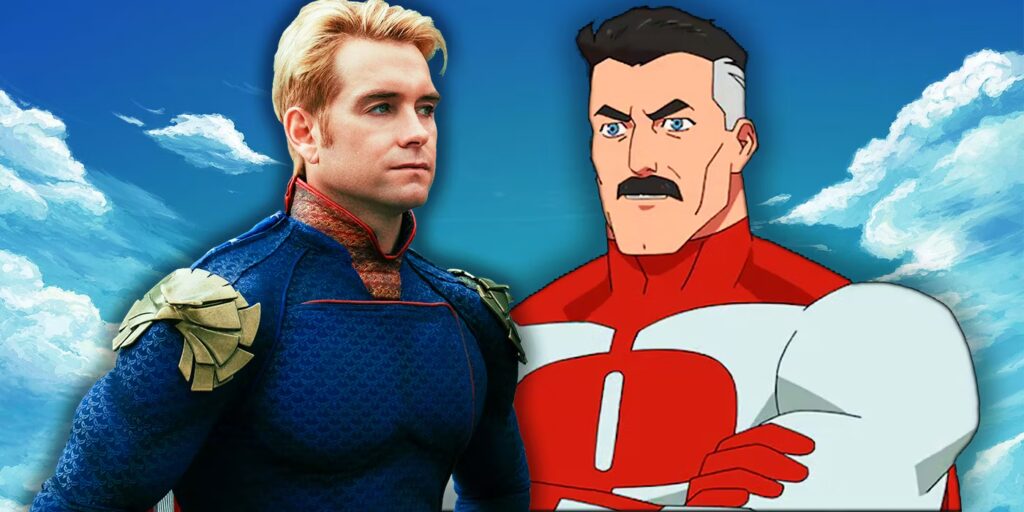
In recent years, the superhero genre has exploded in popularity, spawning an array of television shows and films that capture both the imagination and the hearts of fans across the globe. However, amongst the colorful capes and traditional heroics, there stands a show that undeniably breaks the mold—Amazon Prime’s “The Boys.” With its unrelenting critique of the superhero mythos and an unfiltered portrayal of morality, “The Boys” has carved out a unique space within the landscape of superhero narratives. So, what makes “The Boys” stand apart from its traditional counterparts, and why is it capturing the attention of viewers everywhere? Let’s dive deep into the heart of the show.
A Gritty Reality Check on Superheroes
Unlike the polished, often idealized portrayals of superheroes we’re used to seeing, “The Boys” dares to show a more raw and gritty reality. In the world of “The Boys,” superheroes, known as “Supes,” are not just admired. They are celebrities, and with that fame comes severe moral corruption. Their pursuit of power and status often leads to reckless behavior that endangers society rather than serves it. This sobering reality is a stark contrast to the heroics depicted in shows like “The Flash” or “Arrow,” where the protagonists are often seen as altruistic figures willing to sacrifice everything for the greater good.
Satirical Social Commentary
One of the most compelling aspects of “The Boys” is its sharp satirical commentary on contemporary society. The show tackles several social issues, including corporate greed, celebrity culture, and unchecked power. The Supes are backed by a multi-billion dollar corporation, Vought International, which not only manages their public relations but also exploits them for financial gain. The blurring of heroism and capitalism prompts viewers to examine how modern society often idolizes public figures without scrutinizing their actions or motivations.
For example, in a world where superheroes are brand endorsements and media spectacles, the motivations of these characters often correlate more with profit margins than altruistic goals. This powerful reflection on society serves as a critique of today’s obsession with fame and the manufactured narratives we often accept without question.
Character Complexity and Moral Ambiguity
While traditional hero narratives tend to paint their protagonists in clear moral binaries—good versus evil—”The Boys” thrives in the gray areas. Characters such as Homelander, the seemingly invincible superhero, and Billy Butcher, the ruthless leader of “The Boys,” challenge viewers to rethink their perceptions of heroism and villainy. Homelander embodies the perfect image of a hero, but beneath the facade lies a deeply disturbed individual whose psychopathic tendencies spark fear rather than admiration.
In a traditional superhero show, a character like Butcher might be deemed irredeemable, but in “The Boys,” he is portrayed with layers of complexity. His motivations stem from personal loss and a genuine desire to protect those he loves, even if his methods are questionable. This nuanced characterization invites viewers to empathize with both protagonists and antagonists, enriching the narrative landscape.
Unfiltered Violence and Real-World Consequences
Gone are the days when superhero battles ended with mere bruises and broken sidewalks. “The Boys” does not shy away from depicting the brutal consequences of superhero actions. With each display of superhuman power comes collateral damage that often results in devastating loss of life and severe destruction. This unflinching portrayal serves to illustrate the often oversimplified nature of superhero conflicts in traditional media.
In one memorable scene, the show’s opening episode thrusts viewers into a shocking moment where a hero’s poor judgment leads to the death of an innocent. Such moments not only shock the audience but also force us to confront the reality of unchecked superpowers—consequences that are rarely addressed in traditional superhero stories. This willingness to showcase the real-world implications of superhero actions makes the series more relatable and deeply impactful.
Subverting Tropes and Expectations
“The Boys” masterfully subverts traditional superhero tropes, creating a fresh viewing experience. For instance, characters that typically serve as sidekicks or love interests are given their own arcs and agency. Starlight, portrayed by Erin Moriarty, represents a character who begins her journey with ideals of heroism but gradually recognizes the disillusionment of that world. Her evolution adds depth to the narrative and creates a compelling counterpoint to other Supes who are wholly corrupted by fame and power.
In another surprising twist, “The Boys” doesn’t just focus on the heroes but also emphasizes the agency and resources of the vulnerable. The titular group of “The Boys,” primarily led by Butcher. shows that regular humans, with enough determination and camaraderie, can stand up against seemingly invincible foes. This shift illustrates the power of solidarity and resilience in the face of overwhelming odds.
[amazon box=”B08XLLF3PG”]
Challenging Gender Norms
One of the most significant ways “The Boys” distinguishes itself from traditional superhero narratives is through its nuanced exploration of gender dynamics. The series offers a more complex depiction of female characters, avoiding the common trope of “the damsel in distress.” Characters like Starlight and Queen Maeve provide powerful examples of how women can reclaim agency and resist the limits imposed on them by societal norms, even in a hyper-masculine environment.
The show doesn’t hesitate to confront misogyny, showcasing how women occupy a precarious position in both superhero culture and society at large. In stark contrast to the traditional superhero trope, where female characters are often relegated to love interests or secondary roles, “The Boys” embraces the complexity of its women and reveals the societal challenges they face, offering a refreshing and multifaceted perspective on gender dynamics.
Humor at the Edge of Darkness
Another hallmark of the show is its dark humor—an element seldom embraced in traditional superhero narratives. “The Boys” employs satire and comedy to highlight the absurdities of its world. The dialogue often shifts from moments of intense drama to biting humor, providing a welcome reprieve from the relentless darkness. This juxtaposition not only makes the series entertaining but also underscores its satirical edge, pointing out the ridiculousness of various superhero clichés.
The comedic timing in “The Boys” often serves to comment on deeper themes, such as the ridiculousness of corporate-sponsored heroism and the absurd idolization of flawed individuals in contemporary culture. By infusing humor into serious situations, the show solidifies its identity as a quirky yet thought-provoking commentary on the superhero genre.
A Compelling Narrative Structure
Traditional superhero shows often rely on episodic structure with singular arcs wrapped up neatly at the end of each episode. In contrast, “The Boys” employs a serialized narrative format, weaving multiple plotlines together across its seasons. This allows for intricate world-building and character development, enabling viewers to invest deeply in the stories unfolding.
Throughout the series, past traumas are unveiled, and characters evolve in surprising ways, keeping audiences on the edge of their seats. The pacing, applauded by critics, ensures that the show maintains tension while also allowing for moments of reflection, thus creating a more immersive viewing experience.
In Conclusion: A New Standard for Superhero Narratives
“The Boys” is undeniably more than just a parody of superhero culture; it is a bold reinvention that challenges long-standing conventions within the genre. By illustrating the moral ambiguities of power, critiquing societal issues, and exploring complex character arcs, the series establishes a new standard for what superhero narratives can achieve.
As viewers look for more substance and depth in their entertainment choices, shows like “The Boys” represent a vast departure from the traditional formulas that have long dominated the genre. Whether it’s through its nuanced character portrayals, biting social commentary, or its willingness to tackle uncomfortable truths, “The Boys” has successfully resonated with audiences seeking a more real and thought-provoking experience in their superhero stories.
So, if you’re ready to explore a world where heroism is not just about superpowers but about the choices we make and the consequences they bring, “The Boys” is waiting for you. This groundbreaking series invites you to reassess your understanding of what it means to be a hero—and what it might take to truly save the day. Whether you’re a lifelong fan of superhero tales or a newcomer to the genre, “The Boys” represents an innovative leap forward. Buckle up—it’s going to be a wild ride!


