
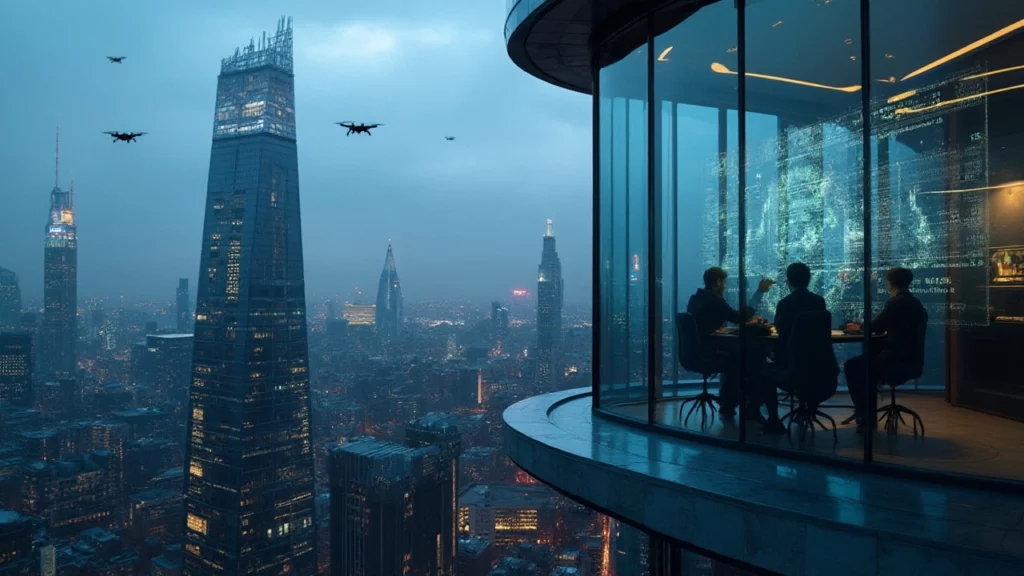
In an era dominated by rapid technological advancement and a stream of seemingly infinite digital content, one television series has managed to intertwine itself deeply within the fabric of modern pop culture and the ongoing debate surrounding technology: “Black Mirror.” Created by Charlie Brooker, this anthology series, which first premiered on Channel 4 in the UK in 2011 and later found a global audience on Netflix, serves up a cocktail of cautionary tales, dark humor, and dystopian scenarios that challenge our perceptions of technology’s role in our daily lives. But how exactly has “Black Mirror” influenced both pop culture and the critical discourse about technology?
Understanding the Dark Side of Technology
“Black Mirror” isn’t merely a reflection of the current technological landscape; it acts as a magnifying glass, illuminating the darker sides of innovations that many often overlook. Each episode stands alone, exploring different facets of futuristic technology that eerily mirror our own world. From social media’s overwhelming influence, as seen in the episode “Nosedive,” to the realm of virtual reality in “San Junipero,” the series engages viewers in critical dialogues about the societal implications of tech advancements.
Cultivating Cultural Conversations
One of the most significant ways “Black Mirror” has permeated pop culture is through its capacity to spark conversations around technology’s ethical considerations. Each episode poses crucial questions: What happens when we prioritize our online personas over our real lives? Can technology be weaponized against the most vulnerable among us? By presenting futuristic scenarios that are unsettlingly plausible, the show encourages viewers to engage in discussions about what might happen if these technologies were to reach their full potential—often leading to troubling conclusions.
Take the episode “USS Callister,” for instance. This story melds elements of science fiction with considerations of consent and identity, as the main character creates digital copies of his colleagues, subjecting them to his whims in a virtual world. This tale taps into broader cultural discussions about consent in the digital age, particularly surrounding issues of online privacy and data ownership. When viewers discuss the ethics depicted in the show, they also examine real-world incidents, such as data breaches or unauthorized surveillance, making “Black Mirror” not just a source of entertainment but a catalyst for social dialogues.
Shaping the Future of Technology
The series has had a notable influence on the tech industry itself. Tech influencers and industry leaders often refer to “Black Mirror” when discussing the implications of emerging technologies. For instance, innovations like artificial intelligence (AI), virtual reality (VR), and social media algorithms evoke thoughts of dramatic scenarios featured in the series. As tech leaders recognize the potential dangers illustrated in the show, they often call for ethical frameworks and regulations to mitigate these risks, transforming “Black Mirror” from fictional dystopia into a blueprint for realistic preventive measures.
The Resonance of Cautionary Tales
Another key aspect contributing to “Black Mirror’s” impact is its masterful storytelling and its ability to resonate emotionally with audiences. The show doesn’t just present dystopian futures; it delves into the human experience, emphasizing how technology can manipulate relationships and influence mental health.
Consider the poignant “Black Museum,” which intertwines multiple stories presenting the psychological and ethical ramifications of advanced technologies. This anthology episode culminates in a thought-provoking narrative that dives into issues like punishment, empathy, and the consequences of betrayal. This episode stands out because it resonates not only with fans of the show but also creates ripples in literary and cinematic discussions about morality in storytelling.
Fashion, Music, and Memes: The Cultural Aftershock
Beyond serious discussions on technology and ethics, “Black Mirror” has also influenced various facets of pop culture. Its distinct aesthetic, characterized by stark contrasts and a touch of surrealism, has inspired fashion trends, music videos, and visual art. The show’s distinctive visual elements provoke creative reimaginings, leading to tributes and homages across various media.
Moreover, the phenomenon of “Black Mirror” memes showcases the series’ widespread cultural resonance. Pithy quotes and illustrative scenes from the show have found their way into social media feeds, often used to comment on current events or technology trends. Phrases like “The future is bright” have taken on an ironic tone, creating a dialogue that combines humor with critical observation of modern-day technology. Social media platforms become vital spaces for users to explore the intersections of technology, ethics, and social commentary—all sparked by this thought-provoking series.
[amazon box=”B08XLLF3PG”]
A New Genre of Dystopian Storytelling
“Black Mirror” has not only influenced how we view technology but has also contributed to a renaissance of dystopian storytelling. The show’s unique anthology format allows for varied explorations of futuristic scenarios, encouraging new narratives that critically engage with technology.
Television and film have increasingly turned toward dystopian themes, inspired by “Black Mirror’s” success. Shows like “The Handmaid’s Tale” and films like “Ex Machina” tap into similar anxieties about technology and society, demonstrating how “Black Mirror” has redefined the genre for a new generation. This new wave of storytelling harnesses the lessons learned from “Black Mirror,” emphasizing the importance of ethical considerations in technological advancements.
The Role of Art in Technology Discourse
Art and television serve as reflections of society; as technology evolves rapidly, “Black Mirror” provides critical commentary through the medium of storytelling. The show’s ability to interpret complex themes through engaging narrative structures aids in generating a cultural lens through which to view technology. This artistic representation encourages empathy and understanding by humanizing abstract technological dilemmas.
When audiences watch a heart-wrenching story unfold in “Hang the DJ,” which examines the future of dating through an algorithm-driven system, the emotional journey challenges viewers to confront their own relationships with love and technology. Such narratives make the debate around tech relatable and impactful, emphasizing the human experience amid the complexities of modern life.
Bridging Generational Gaps
“Black Mirror” has the unique power to transcend generational gaps, captivating both older audiences who witness rapid changes in technology and younger viewers who have grown up amid the revolution. Each episode resonates differently with distinct demographics—some reflecting on their experiences with social media, while others relate more to anxieties surrounding privacy and surveillance. “Black Mirror” serves as a cultural touchstone, fostering dialogues across age groups about the implications of technology on our shared future.
Beyond Entertainment: The Call for Responsible Tech Usage
As both a harbinger of caution and a source of entertainment, “Black Mirror” ultimately encourages a collective responsibility toward technology consumption and development. Its influence underscores the urgent need for ethical considerations in the tech industry. It’s no longer just about whether new technology can be created, but whether it should be.
Tech companies, governments, and consumers are beginning to reflect on the narratives presented within the show. The rise of the conversation around digital ethics, privacy policies, and data usage aligns closely with themes in “Black Mirror.” Organizations strive to incorporate ethical decision-making into their practices, aiming to align technological innovations with broader values of social responsibility, thus embodying the series’ warnings.
Conclusion: The Continuing Legacy of Black Mirror
“Black Mirror” stands as a pivotal commentary on the human condition in the age of technology. Its cultural shape has expanded not only how we view popular media but also the profound implications of our technological advancements. By weaving together rich narratives that challenge our understanding of the digital age, “Black Mirror” has sparked critical dialogues about tech’s ethics, the future of society, and our roles as responsible consumers of technology.
As we continue navigating the waves of innovation, the lessons gleaned from “Black Mirror” will undoubtedly echo within public consciousness, proving that while technology possesses the potential to enhance our lives, it equally stands poised to complicate it. The show’s ability to captivate, challenge, and inspire ensures that its legacy will endure—forever altering the landscape of pop culture and technology discourse. Through the lens of “Black Mirror,” we not only face our technological future but also gain insight into what it means to be human in the era of infinite possibilities.


