
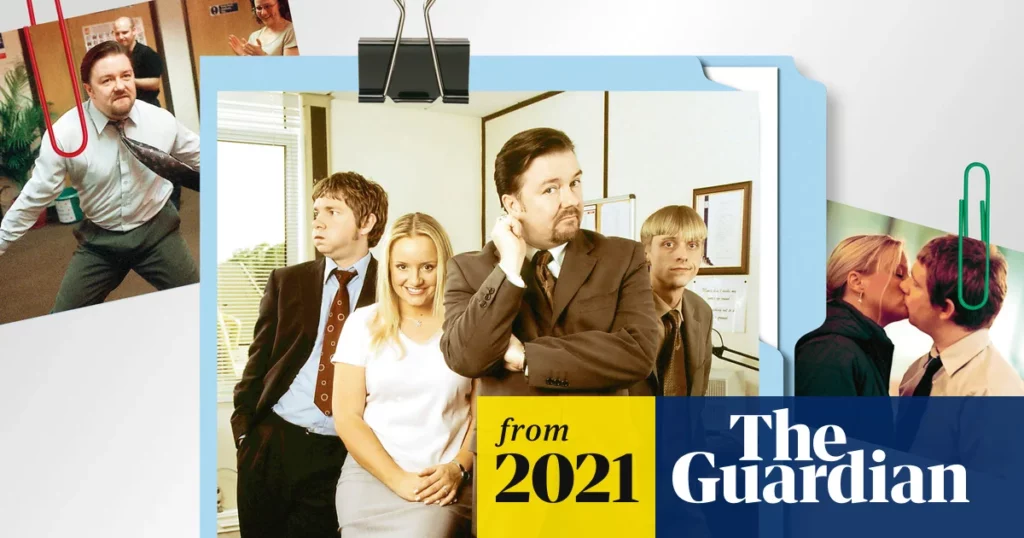
The world of television has witnessed numerous changes over the decades, with various sitcoms paving the way for new styles, formats, and narratives. Among these, The Office stands out not only for its unique comedic approach but also for its lasting impact on the sitcom landscape. In this article, we’ll explore how The Office revolutionized the sitcom genre, redefined workplace comedy, and influenced countless shows that followed. Whether you’re a die-hard fan of the series or someone curious about the show’s significance, this discussion will uncover why The Office remains a beloved classic.
The Rise of Mockumentary Style
One of the most significant contributions The Office made to television was its innovative use of the mockumentary format. This style of storytelling—a blend of fictional narrative with documentary-like filming—created an engaging and relatable viewing experience. The show’s characters often spoke directly to the camera, providing candid insights into their thoughts and motivations, which established a unique connection with viewers.
Before The Office, mockumentaries were relatively rare in sitcoms. A few shows, like Spinal Tap and The Larry Sanders Show, experimented with the format, but it was The Office that brought it into the mainstream. The documentary style helped the show create a sense of realism, making the absurdities of everyday office life both relatable and hilarious. The success of this approach influenced numerous sitcoms that followed, such as Parks and Recreation, Brooklyn Nine-Nine, and Modern Family, all of which adopted elements of mockumentary storytelling.
Character-Driven Narratives
Character development is a critical aspect of any successful sitcom, but The Office took this to new heights. The show’s ensemble cast—featuring memorable characters like the bumbling Michael Scott, the ambitious Jim Halpert, the quirky Dwight Schrute, and the lovable Pam Beesly—was meticulously crafted, allowing each character to shine while contributing to the larger narrative.
Moreover, the relationships between the characters were central to the show’s charm. The evolving dynamics, especially the romantic tension between Jim and Pam, kept audiences engaged and emotionally invested. This focus on character-driven storytelling has become a hallmark of contemporary sitcoms. Modern shows often prioritize well-rounded characters with complex backgrounds and motivations, allowing for more heartfelt and relatable narratives.
Subverting Sitcom Tropes
The Office expertly subverted traditional sitcom tropes, opting for relatable and mundane scenarios instead of outlandish plots. While many sitcoms relied on exaggerated situations to elicit laughs, The Office found humor in the everyday challenges of corporate life. This shift in focus resonated with audiences, who saw reflections of their own experiences in the Dunder Mifflin workplace.
This departure from conventional sitcom storytelling influenced a new wave of shows that embraced a similar approach. Series like Scrubs, Community, and The Good Place recognized the value of humor derived from authentic experiences rather than cliché setups. Consequently, audiences began gravitating toward programs that you felt genuinely mirrored their lives.
Emphasizing Realism and Relatability
One of the hallmarks of The Office is its commitment to realism. The show’s creators infused the writing with authentic workplace experiences, making it easy for viewers to relate to the characters and scenarios. The awkward encounters, office politics, and everyday dilemmas depicted on-screen mirrored the realities of many viewers’ own work environments.
This commitment to realism was also evident in the show’s dialogue and character interactions. The often cringe-worthy moments and uncomfortable silences became a signature style—one that invited viewers to laugh along with, rather than at, the characters. By portraying flawed, relatable individuals rather than idealized heroes, The Office helped redefine what comedic characters could look like.
The realism that The Office established paved the way for other sitcoms to explore similar themes. Shows like Superstore and Ted Lasso continue to delve into the everyday struggles of characters grounded in reality. By putting relatable characters in realistic situations, these shows have maintained a strong connection with their audiences, a testament to the enduring influence of The Office.
Workplace Comedy – A Genre Transformed
Before The Office, workplace comedies often leaned heavily on broad humor and exaggerated characters. However, the impact of The Office transformed how sitcoms approached the workplace setting. Instead of focusing solely on over-the-top scenarios, the show provided a nuanced look at the lives of ordinary employees, showcasing the unique dynamics that play out in a corporate setting.
The success of The Office gave rise to numerous workplace comedies that embraced this more grounded approach to humor. Shows like 30 Rock, Brooklyn Nine-Nine, and Parks and Recreation followed in its footsteps, employing character-driven narratives and clever situational humor to engage audiences. By focusing on employees’ personalities and the relatable frustrations of their jobs, these shows maintained a lighter, more entertaining tone similar to The Office.
[amazon box=”B08XLLF3PG”]
The Joy of Unconventional Storytelling
Another area where The Office left a lasting legacy is its willingness to embrace unconventional storytelling techniques. From the hilarious “Jim impersonating Dwight” pranks to the peculiar yet captivating antics of Dwight and Angela’s secret romance, the show constantly kept viewers guessing what would happen next.
This playful approach to storytelling encouraged other sitcoms to experiment with narrative structure and creativity. For example, Arrested Development employed a similar willingness to embrace absurdity while developing its character arcs. The variety of storytelling methods ushered in a new era of sitcoms that regard creativity and innovation as valuable assets in driving narratives forward.
Introducing Representation in Television Comedy
The Office also played a key role in advancing representation in television comedy. While the original British version had made strides in this area, the American adaptation expanded on those themes, introducing characters from diverse backgrounds with unique stories. Characters like Kelly Kapoor (Mindy Kaling) and Stanley Hudson (Leslie David Baker) added richness to the show, and their presence highlighted the importance of inclusive storytelling.
The show’s legacy can be seen in the growing diversity in the sitcom landscape. Shows such as Fresh Off the Boat, One Day at a Time, and Black-ish continue to explore themes surrounding race, culture, and identity, contributing to a richer, more diverse television landscape. By opening the doors for characters from various backgrounds, The Office helped propel this much-needed change in sitcom representation.
The Role of Social Media
In today’s digital world, social media plays a crucial role in a show’s success and longevity. The Office was one of the early sitcoms to benefit from social media buzz, particularly with the emergence of platforms like Facebook and Twitter. Memes, quotes, and gifs from the show went viral, keeping the series alive long after its original airing ended in 2013.
This digital revival helped spawn a new generation of fans who discovered The Office through social media channels. The show’s memorable quotes and iconic scenes became part of the online vernacular, further solidifying its cultural significance. Shows like Brooklyn Nine-Nine and Schitt’s Creek have also utilized social media to enhance their popularity, showcasing how a well-executed digital strategy can amplify a sitcom’s reach and impact.
Conclusion: The Everlasting Impact of The Office
As we delve into the lasting legacy of The Office, it’s evident that its impact extends far beyond the realm of sitcoms. By revolutionizing the mockumentary format, embracing relatable storytelling, and redefining workplace comedy, The Office has influenced a plethora of subsequent television shows.
Furthermore, its commitment to realism, character-driven narratives, and the integration of diverse voices has not only shaped the sitcom landscape but has also contributed to the emergence of more inclusive storytelling in the television industry. As audiences continue to resonate with the show’s characters and experiences, The Office remains a touchstone for fans and creators alike.
In a world where television continues to evolve, The Office serves as a reminder of the power of laughter, authenticity, and relatability. Its legacy is not just one of comedy but also of connection—a connection that will continue to inspire filmmakers, writers, and audiences for years to come. For those who have yet to experience the charm and wit of The Office, the invitation is clear: step into the halls of Dunder Mifflin and discover a show that has changed the comedy landscape forever.



