
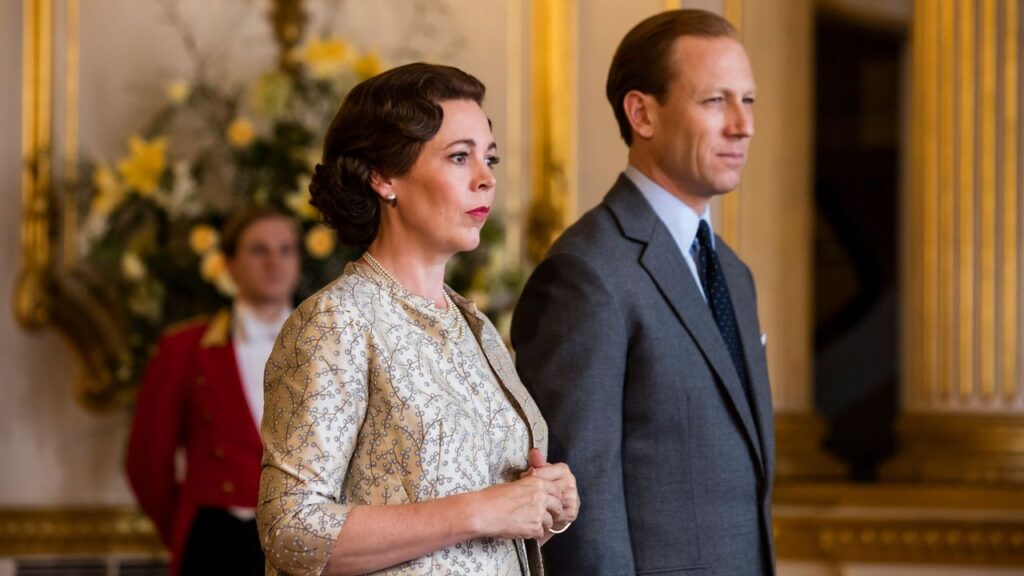
In recent years, the Netflix series The Crown has gained international acclaim, captivating audiences with its dramatization of the British royal family’s life over several decades. While it serves as a remarkable televised historical account, The Crown also holds a mirror to contemporary society, influencing public perception of the monarchy, politics, and the power dynamics within a family that has both fascinated and puzzled individuals for centuries. What is the legacy of The Crown, and how has it affected our beliefs about the royal family?
The Cultural Phenomenon of The Crown
Since its premiere in 2016, The Crown has not only garnered numerous accolades—including Golden Globe and Emmy Awards—but also sparked discussions that traverse the globe. Viewers are treated to an elaborate portrayal of critical events in British history, including Queen Elizabeth II’s ascension to the throne, the Suez Crisis, and Princess Diana’s tragic life. By meticulously examining these events, The Crown promotes a nuanced understanding of political decisions, familial relationships, and the sacrifices that members of the royal family have made.
The Art of Storytelling
What sets The Crown apart from other historical dramas is its dedication to storytelling based on in-depth research and exceptional character development. Show creator Peter Morgan weaves together realism and dramatization, allowing viewers to empathize with the characters, understanding their motivations and struggles. This blend of fact and fiction encourages audiences to rethink the conventional narratives surrounding monarchy and governance.
One of the most striking aspects of the show is its portrayal of the queen as a human being rather than simply a historical figurehead. By delving into the personal life of Queen Elizabeth II—her challenges as a young monarch, her relationship with her husband, Prince Philip, and the pressures of public scrutiny—the series instills a sense of humanity into a figure often seen as untouchable.
A Shift in Public Opinion
The impact on public perception of the royal family cannot be understated. Historically, royals were viewed through a lens of reverence and distance. They were often seen only during ceremonial appearances or significant national events. However, The Crown has shifted that perspective, opening a dialogue about their lives’ complexities and revealing the trials and tribulations faced by these figures in the spotlight.
As audiences witness gripping depictions of personal struggles—be it Queen Elizabeth’s isolation as monarch, the challenges faced by Philip in balancing duty with his desire for a more ordinary life, or Diana’s quest for acceptance—it fosters empathy and understanding towards an institution that many have critiqued as aloof and archaic.
Re-evaluating Tradition and Relevance
In a time when society increasingly values transparency and open dialogue, the royal family’s traditionally hazy mystique is called into question. The Crown does not shy away from exploring how the royals navigate this rapidly changing landscape. The show sheds light on past controversies while simultaneously giving context to modern issues such as mental health, public scrutiny, and the responsibilities of power.
This questioning of tradition is particularly poignant in how contemporary audiences consume news and entertainment. Before The Crown, discussions about monarchy were often limited to tabloids and sensationalist reports, relegating complex human stories into soundbites. By portraying in-depth character arcs, The Crown serves as a valuable educational tool that encourages audiences to think critically about historical narratives and modern implications of royal life.
The Diana Effect: A Case Study
Perhaps no figure epitomizes the show’s impact more than Princess Diana. A charismatic individual who became a global icon, Diana’s life remains a topic of immense fascination. The Crown illustrates not only her struggles with mental health, media pressure, and her eventual tumultuous marriage to Prince Charles but also highlights her profound humanitarian efforts. The series fosters renewed interest in Diana’s legacy, prompting a younger generation to seek to understand an icon whose impact extended beyond royal duties.
This re-contextualization has ultimately driven a more empathetic narrative surrounding the media’s role in her life, forcing the audience to question not just the actions of the royals, but of society and the press at large. The portrayal ignites debates on how we treat individuals in the public eye, and whether we owe them our admiration or our scrutiny.
[amazon box=”B08XLLF3PG”]
The Monarch in the Modern Age
As the royal family transitions into a younger generation, the legacy of The Crown invites audiences to consider how monarchy adapts to contemporary values. The show subtly critiques the relevance of monarchy, creating conversations about its place in an increasingly egalitarian society.
The Role of Social Media
In our digital age, the dynamic between the royals and the public has transformed significantly. Real-time news and social media provide a window into lives that were once deeply private. Unlike previous generations who relied on newspapers or television for snippets of royal life, today’s audience can engage with real-time updates, thoughts, and images from royal family members. As scrutiny intensifies, public perception remains continually in flux.
The Crown plays a unique role in this environment. While it presents an artistic interpretation of the monarchy, it also interacts with real-world events, making viewers question how historical depictions line up or conflict with ongoing royal developments.
The Future of Monarchy: Tradition vs. Modernity
As viewers reflect on the series and its impact, there is an inherent question regarding the future of the monarchy itself. Balancing tradition with the demands of modern society is a difficult act for any longstanding institution. Critically, The Crown provokes discussion on whether the royal family’s role is still necessary and how its image must evolve to retain relevance in the 21st century.
As royal watchers eagerly anticipate the unfolding narratives in today’s monarchy, they find themselves measuring the fictional account of The Crown against the real-life actions of its members. The generational shift seen with younger royals—like Prince Harry and Meghan Markle—demonstrates one potential evolution, where the focus may shift away from historical duties to a commitment to philanthropy and activism. This transition is inviting audiences to reflect on what modern monarchy should embody.
Conclusion: The Lasting Legacy of The Crown
Ultimately, the legacy of The Crown is rooted in its ability to provoke thought, discussion, and reinterpretation of a narrative that has long since seemed static. By focusing on the intricacies of personal and public life, unveiling human vulnerabilities, and exploring the intersection of tradition and modernity, the series plays a significant role in shaping the current and future perceptions of the royal family.
As it ignites debates on the value of monarchy, examines the pressures surrounding its members, and commemorates the legacies left behind by figures like Princess Diana, The Crown invites audiences to approach the monarchy with a fresh perspective and perhaps a more profound understanding. The dialogues initiated by the show highlight not only the monarchy’s challenges but also the universal themes present in human relationships—sacrifice, love, duty, and the strong desire for acceptance.
Engaging with this cultural phenomenon allows us to see the British royal family not as an isolated institution but rather as a relatable entity grappling with defining moments that mirror our societal struggles. As we ponder the legacy of The Crown, we are reminded that history is ever-evolving, shackled to neither fiction nor fact alone but intertwined with the fabric of human experience.
In a world where we constantly reevaluate relationships with power, tradition, and one another, The Crown offers a thoughtful reflection, ensuring that this exploration of the royal family—and our understanding of legacy—endures long beyond the final credits.


