
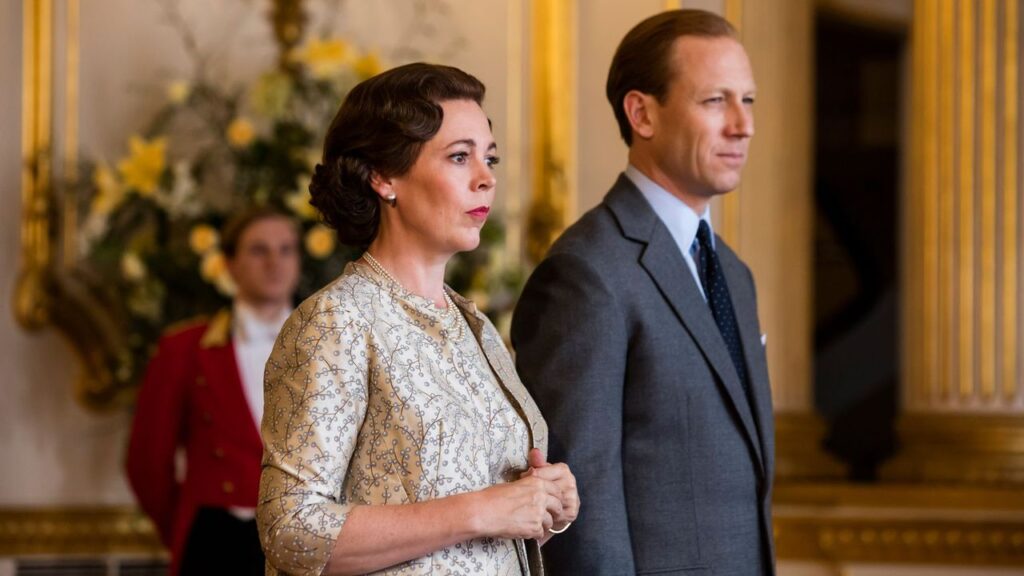
Netflix’s acclaimed series “The Crown” offers a breathtaking glimpse into the life of the British royal family, but have you ever wondered what it truly takes to breathe life into such iconic historical figures? From the intricate details of set design to the emotional challenges faced by the cast, creating a representation of royalty that resonates with audiences worldwide is no small feat. This article explores the challenges that the creative team behind “The Crown” faced in bringing royalty to life and how they navigated the complex layers of history, character development, and audience expectation.
The Challenge of Authenticity
One of the most significant challenges in producing “The Crown” has been maintaining authenticity in its portrayal of the royal family. With real-life events influencing the direction of the show, the writers and producers frequently had to trace the thin line between creative storytelling and factual accuracy. Historical accuracy is crucial, especially when dealing with a subject as scrutinized as the British monarchy.
To overcome this hurdle, the production team employed extensive research, consulting historians, royal biographers, and even palace insiders. This ensured that the events depicted in the series were as close to reality as possible. However, this research isn’t merely about recalling dates and events; it also encompasses understanding the intricacies of royal protocol, the political climate of the time, and even the emotional states of the characters.
Emma Corrin, who portrayed Princess Diana in Season 4, faced the daunting task of embodying one of the most beloved and controversial figures in British history. She described the pressure of living up to such a well-known character as both humbling and nerve-wracking. “You want to give your best performance while remaining respectful to someone who was so real and grounded,” she mentioned during an interview, reflecting the responsibility actors feel when stepping into the shoes of historical figures.
The Emotional Burden of Portraying Real Figureheads
What does it take for an actor to convincingly portray a real-life royal? The emotional burden of embodying a character tied to historical events that impacted millions cannot be understated. In “The Crown,” actors not only have to look like their characters but also capture their essence and emotions, making this process incredibly challenging.
Olivia Colman, who took on the role of Queen Elizabeth II in Seasons 3 and 4, highlighted the emotional landscape that these characters inhabit. “You have to think about everything from their public persona to their private struggles,” Colman stated. “It’s a delicate dance of portraying someone who has to balance personal conflict with public duty.”
For many actors, the writing and direction provide a framework, but it’s their interpretation that breathes life into these iconic figures. For example, as Corrin dug deeper into Diana’s life, she uncovered layers of vulnerability and resilience that she strived to portray authentically. Understanding their backgrounds, motivations, and future trajectories plays a significant role in this process.
Designing the World of Royalty: Set and Costume Challenges
When viewers watch “The Crown,” they are transported into a luxurious world filled with opulence, elegance, and carefully curated aesthetics. The grandeur of Buckingham Palace, Windsor Castle, and other royal landmarks plays a crucial role in immersing the audience in the narrative. However, recreating this world requires meticulous planning and execution.
Production designer Martin Childs and his team faced the daunting challenge of bringing these iconic locations to life on-screen. Filming on location adds an additional layer of complexity, requiring cooperation with historic sites and careful attention to detail. While some locations were accessible for filming, others required elaborate set designs that accurately reflected historical details, ensuring the interiors matched the era being portrayed.
Costume designer Amy Roberts also faced the task of dressing the cast in a manner that reflects the character’s social status and personality. “Costume is not just about fabric; it’s about communicating a character’s journey through their choices,” Roberts explained. The period-specific outfits not only enhance visual authenticity but also have a direct impact on the actors’ performances. Each piece is chosen to align with the character’s personality and the narrative’s historical context.
The Balance of Dramatic License and Factual Storytelling
While “The Crown” is firmly rooted in historical events, it also employs dramatic storytelling techniques to create compelling narratives. This balance between factual storytelling and creative license poses its own set of challenges. How do you craft a storyline that captivates viewers while respecting the real-life experiences of the people involved?
Showrunner Peter Morgan has faced criticism and praise alike for the creative decisions made throughout the series. He explains that while certain events may be dramatized for narrative effect, they often reflect the emotional truths of the characters involved. “We always aim to honor real events while creating a compelling drama,” Morgan remarked.
Viewers may debate the depiction of various historical figures and events, but the creative team defends their approach by emphasizing the show’s ability to stimulate discussions about historical contexts and family dynamics. “The Crown” becomes a conversation starter, sparking interest in British history and the monarchy’s role throughout the decades.
[amazon box=”B08XLLF3PG”]
The Role of Casting: Finding the Perfect Royal
Casting is an essential component of any successful television series, and “The Crown” is no exception. The casting process involved finding actors who not only physically resembled the historical figures they would portray but also possessed the ability to convey the complexities of their personalities.
From Claire Foy’s captivating portrayal of young Queen Elizabeth II to Josh O’Connor’s compelling depiction of Prince Charles, casting decisions were crucial to establishing a believable narrative. For the role of Princess Diana, the production team auditioned numerous actresses before finding Emma Corrin, whose audition turned heads and captured the essence of Diana’s spirit.
Corrin’s fresh perspective brought a new layer to Diana’s character that resonated with viewers. She described entering the audition room with a mix of excitement and nerves, feeling the weight of the character’s legacy on her young shoulders. “It was daunting at first, but I wanted to give her a voice that represented her courage and vulnerability,” Corrin explained.
The British royal family is one of the most recognizable institutions globally, and any portrayal of its members inevitably invites public scrutiny. With each season of “The Crown” released, the show faced criticism and analysis from royal watchers, historians, and the public alike. The challenge lies in staying true to the story while acknowledging the differing perspectives around the monarchy.
The show sparked debates about its portrayal of certain events, such as the tumultuous marriage between Prince Charles and Diana, leading to questions of personal bias. The production team prepared for backlash, understanding that fans of the royal family would have strong opinions on the portrayal of real-life events.
“Ultimately, we want to create a dialogue,” Morgan remarked. “The history we tell is complex, and so are the people involved.” To engage the audience thoughtfully, the series encourages viewers to reflect on the nuances of human relationships, power dynamics, and the weight of public expectation.
The Impact of Technology on Filmmaking Practices
Modern technology has greatly influenced the filmmaking process, allowing for enhanced visual storytelling. In “The Crown,” cutting-edge techniques have been employed to create stunning visuals and capture the era authentically. From drone shots of the stunning landscapes to meticulous CGI effects that transform ordinary settings into royal retreats, technology has become a vital part of the production process.
Additionally, post-production allows for increased attention to detail. Editors can fine-tune performances and visuals to heighten emotional impact. As a result, “The Crown” benefits from an elevated production quality that captivates audiences and pulls them into the royal world.
Connecting with the Audience: The Emotional Core
Ultimately, the heart of “The Crown” lies not only in its meticulous attention to historical accuracy and visual representation but also in its ability to connect with audiences on an emotional level. The stories of family, loss, and love resonate deeply, transcending the realm of royalty and speaking to universal human experiences.
As viewers, we are drawn into the struggles faced by the characters, even those highlighted by privilege. The challenges of identity, duty, and personal aspirations reflect issues that resonate with ordinary lives, allowing us to identify with these larger-than-life figures.
In conclusion, the challenges faced in bringing royalty to life in “The Crown” extend beyond mere visual splendor and historical representation. The series serves as a powerful reminder of the complexities behind each headline, revealing that there is much more to royalty than what meets the eye. Through rigorous research, passionate performances, and thoughtful storytelling, “The Crown” invites us to engage with the history of the monarchy, setting the stage for discussions about power, public perception, and human connection. So the next time you watch the series, take a moment to consider the immense labor that has gone behind each scene, each character choice, and each historic detail—the intricate tapestry that is truly “The Crown.”


